
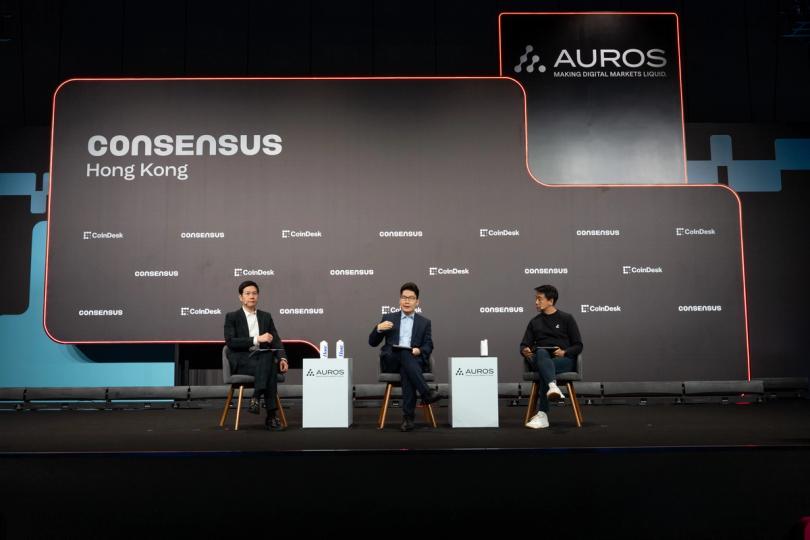
Hong Kong, one of the world’s major financial centers, has long been committed to cryptocurrencies and blockchain technology, but faces a competitive challenge from the crypto-friendly United Arab Emirates.
This was a fact recognized by panelists Joseph Chan, Hong Kong’s undersecretary for financial services and treasury, and Johnny Ng, founder of web3 investment firm Goldford Group, who spoke at Consensus Hong Kong.
“The UAE is really aggressive,” said NG, who served as a member of the National Committee of the Chinese People’s Political Consultative Conference (CPPCC) since 2018.
He said places like Dubai and Abu Dhabi have established a robust regulatory framework for virtual assets, and each region has also brought it under the auspices of a single, dedicated regulatory authority. Korea, which has many millions of cryptocurrency users and investors, also has a particular government body responsible for cryptocurrency issues, Ng added.
“I think the Hong Kong legislative council can recommend that the government do more, particularly creating a position to oversee all those things,” Ng said. “As a legislator, I will help the government connect with congressmen from other countries, for example, Korea.”
Hong Kong Treasury’s Chan said an enduring appeal of Hong Kong is that there are “no surprises” from regulators, who have shown a consistent commitment to digital assets.
“Our regulation is transparent, safe and predictable, and we have stuck to it from the beginning,” Chan said. “This is compared to other jurisdictions, without naming any names. Whether during a crypto winter or not, Hong Kong has supported the development of the digital asset industry. If you look at other jurisdictions, as things change and there are ups and downs, they could change.”
Under Hong Kong’s compulsory licensing regime for virtual asset trading platforms (VATP), 11 licenses have been granted under the framework, which came into effect two and a half years ago.
Regarding the stablecoin regulatory regime that began last August, Chan said the first batch of licenses is planned for the first quarter of this year.
Next is the licensing regime for digital asset traders and custodians, and Hong Kong’s financial secretary is expected to introduce it later this year, Chan added, noting that multiple consultations and readings of draft laws must first take place.
“It seems like a long process, but it’s very important,” Chan said. “Because it means everyone in the industry knows what’s coming, there’s enough time to raise concerns, so there won’t be any surprises and everyone knows what’s going to happen next.”


