
The crew of the Artemis II mission is making history almost minute by minute, and as it prepares for its flight path around the moon, the Orion spacecraft has been sharing some photos, including a side of the moon that humans have never seen directly before.
The image, currently posted on social media but likely to be added to NASA’s media library soon, is of a moon we both know about and, well, one we don’t.
This stunning image comes just one day after the Artemis II astronauts delivered the The iPhone’s first space photos, taken with the selfie camera, no less.
Article continues below.
Make new friends, but keep the old ones. A new photograph captures the visible side of the Moon on the right (the side we see from Earth, identifiable by its dark spots) and its hidden side on the left. The crew of Artemis II is the first to see the other side with human eyes. pic.twitter.com/Z8QaZ6J9iAApril 6, 2026
At first glance, you might say, “Yes, that’s the moon I know.” But even a casual viewer knows something isn’t quite right. As the NASA publication explains, the right side of the image looks at Earth and the left side is something that no human being has seen with their own eyes before.
In reality, previous Apollo missions were too close to the Moon to obtain this view (158 miles in 1970). The Artemis crew will fly about 4,070 miles above the surface, giving them a full view of Earth’s only natural satellite.
I’ve spent years photographing the moon with various digital cameras, especially a pair of Sony Alphas. First, I used the NEX-5 with a 150mm lens. I then upgraded to my Sony Alpha A6000 and a 200mm lens backed by a 24MP sensor.
Look closely and see the Moon again.
Image 1 of 2
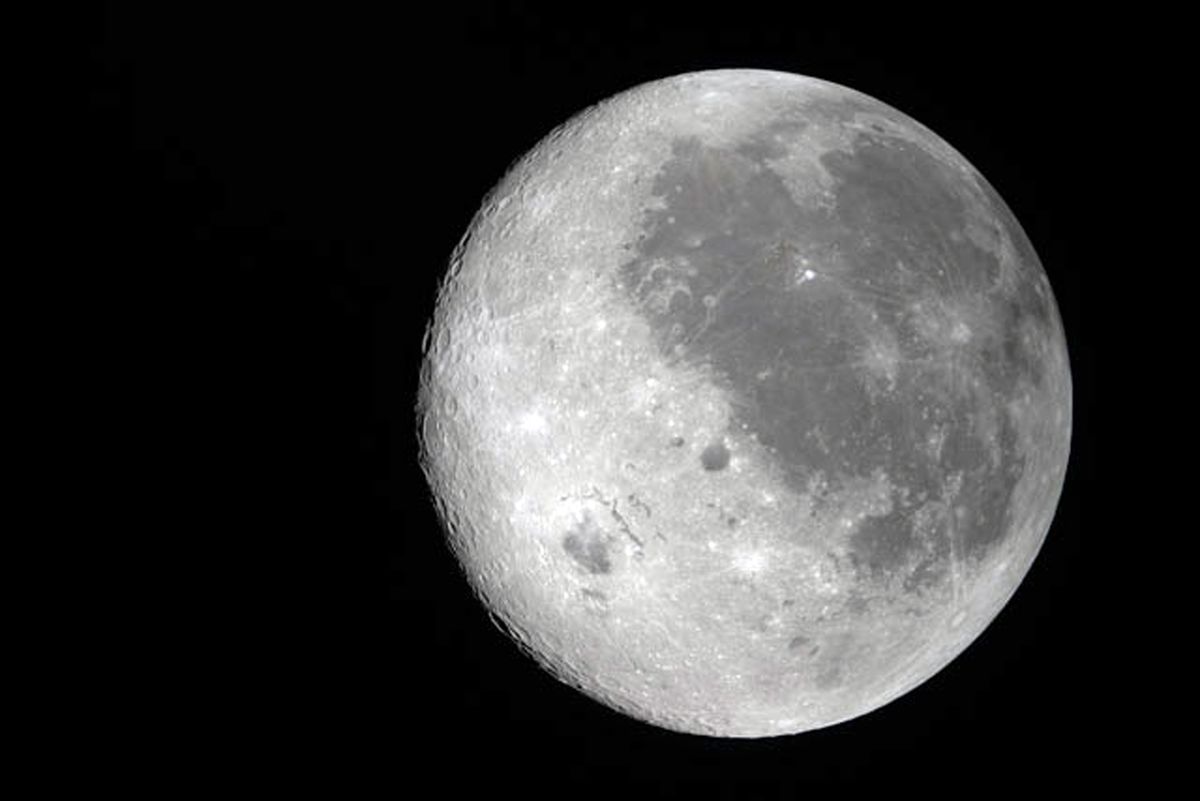
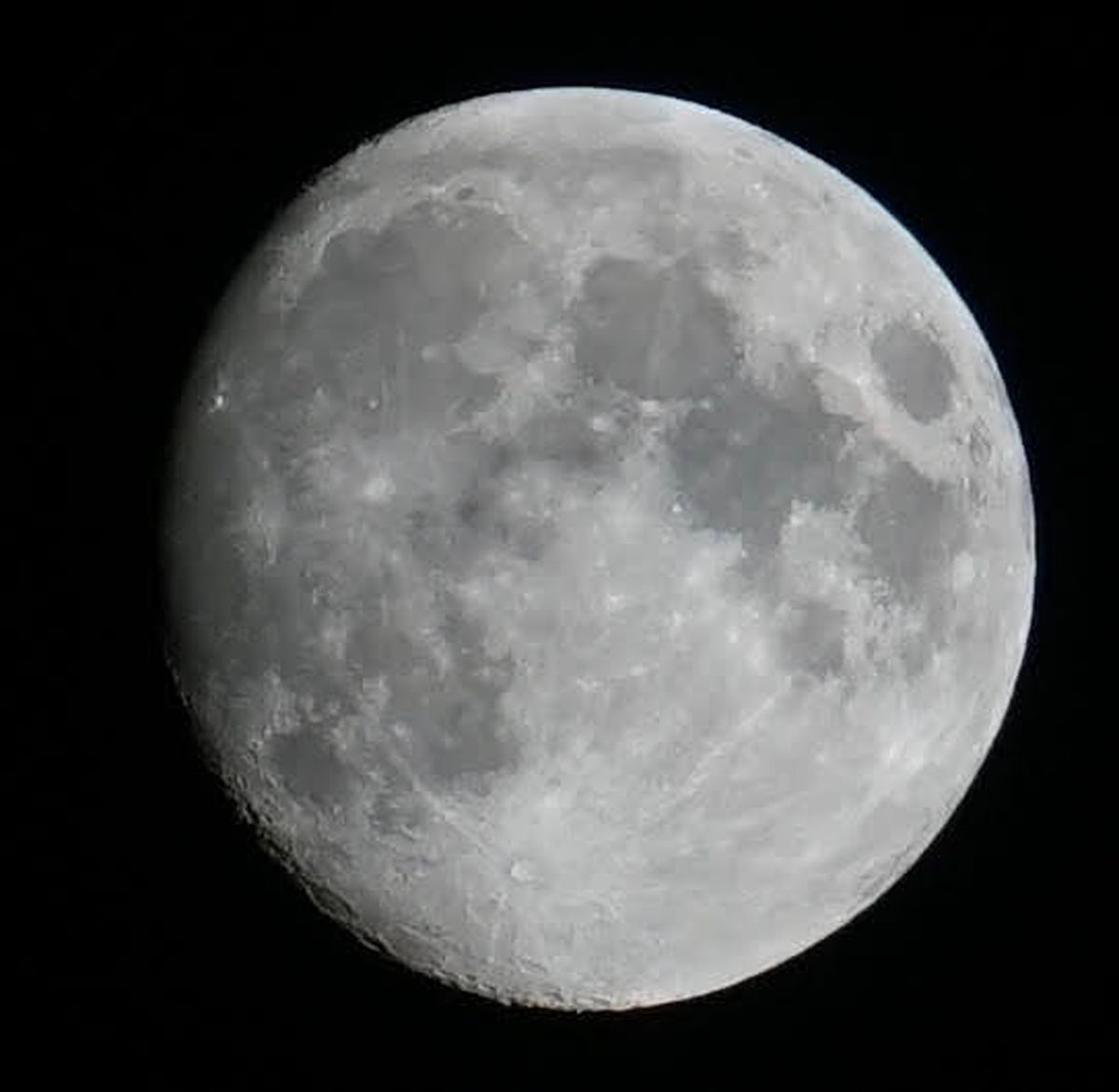
I wanted to understand how different our view is from the one captured by NASA and the Artemis crew on Monday, April 6.
As you can see in the side-by-side photo above, which I created in Photoshop 2026, the differences are marked.
On the left is the photo of Orion, which I only adjusted the brightness of. On the right is a photo I took with the Sony Alpha A6000 in 2020.
In my photo on the right, you can see the characteristic dark spots that, from the ground, often turn into “the man in the moon”, a surprised face saying: “How did I get here?”
Towards the left side of my image there is a bright spot, probably a meteorite impact. If you use that as a reference point and then look at the Artemis II mission image on the left, you can see that the bright spot is now in the upper right corner.
Now, if your gaze goes to the left in the image of the Artemis II mission, you will quickly realize that you are seeing things you have never seen before.
What catches my attention is what looks like a huge crater in the lower left quadrant. That’s a feature we’ve never seen before.
If you have images of the moon or have spent a lot of time looking at it through a telescope, I encourage you to compare your views with this image. It is impressive and unforgettable.
What’s even crazier is that the Artemis II crew is just getting started. What a great time for fans of astronomy, space and photography.
Follow TechRadar on Google News and add us as a preferred source to receive news, reviews and opinions from our experts in your feeds. Be sure to click the Follow button!
And of course, you can also follow TechRadar on YouTube and tiktok for news, reviews, unboxings in video form and receive regular updates from us on WhatsApp also.


