
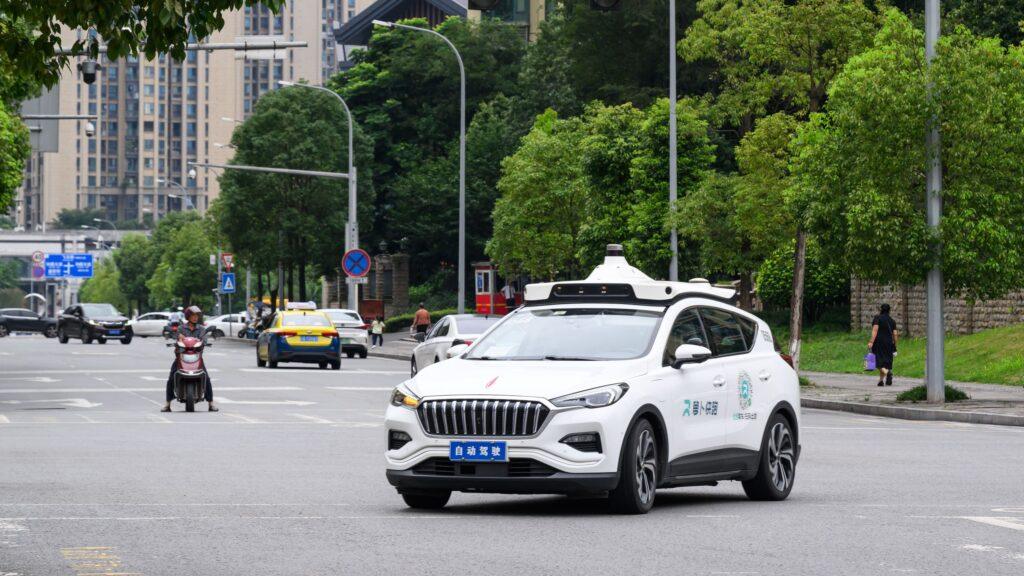
- Collisions, delays and traffic chaos reported due to robotaxi disruption
- Police said a system malfunction caused several vehicles to stop.
- Baidu has a fleet of more than 500 driverless cars in Wuhan
A massive robotaxi outage in the Chinese city of Wuhan has reportedly caused traffic chaos, after several fully autonomous taxis suddenly came to a standstill.
Some distraught passengers claimed they were left stranded for hours as several self-driving trips were halted.
“Several Apollo Go cars stopped in the middle of the road, unable to move,” police said in a statement posted on Chinese social media site Weibo on Wednesday, according to The guardian.
Article continues below.
According to preliminary results, the police claim that a “system failure” had caused the problem, but so far there has been no official comment from Baidu on the incident.
A Baidu customer told Wired she was stuck in a robotaxi with two friends for about 90 minutes on Tuesday.
According to the robotaxi driver, the taxi stopped four out of five times during the trip, before parking in front of an intersection with screens telling all passengers to stay on board until a company representative came online.
NEW: Dozens of Baidu robotaxis stopped on the Wuhan highway, causing accidents on highways and trapping passengers in cars, some for more than an hour. One passenger told me it took her 30 minutes to even connect with a customer service representative. Here is a video of an accident. pic.twitter.com/fTitNMv8kjApril 1, 2026
It apparently took customers 30 minutes to reach a customer service representative. After waiting even longer, the passengers decided to get out of the taxi and find an alternative route.
Other videos that have surfaced on social media, including
On Chinese social media platform RedNote, a passenger said: “I called robotaxi customer service, but I couldn’t get through at first. After calling repeatedly, everyone I called said they had sent a specialist. After 10:30 p.m., my order was canceled and I was stuck on the flyover with dump trucks around me.”
Police said no injuries had been reported and passengers exited their vehicles safely, according to the BBC.
Analysis: Not a good look for robotaxis
Robotaxi skeptics have long warned of technical and software flaws of this nature, as well as the real threat of cyberattacks that could theoretically take control of entire fleets of driverless vehicles.
The BBC reports that ride-sharing apps Uber and Lyft announced deals with Baidu to test their Apollo Go cars on UK roads, with the aim of starting trials in 2026. But the latest incident could lead to major setbacks.
Jack Stilgoe, professor of science and technology policy at University College London, told the BBC that while driverless technology “may be safer on average” than human drivers, this incident showed that it “could still go wrong in completely new ways.”
“If we are going to make good decisions about this technology, we need to understand entirely new types of risk,” he added.
After all, this isn’t the first time we’ve seen negative headlines about self-driving technology.
According to Futurism, Tesla’s Robotaxi service has been crashing more than equivalent taxis with a human driver, despite having a safety monitor behind the wheel.
In addition to this, Waymo experienced a similar issue in San Francisco last year, where a massive power outage caused several Waymo cars to stop in the middle of busy streets and intersections due to the fact that they did not know how to navigate safely without working traffic signals and traffic lights.
Follow TechRadar on Google News and add us as a preferred source to receive news, reviews and opinions from our experts in your feeds. Be sure to click the Follow button!
And of course, you can also follow TechRadar on YouTube and tiktok for news, reviews, unboxings in video form and receive regular updates from us on WhatsApp also.


