
It’s been another busy week for tech news, but then again, when isn’t that the case? The good news is that you don’t have to spend hours catching up because we’ve covered it all in one place.
The big stories covered everything from Spotify to ChatGPT and Netflix, but it was the developments in the world of OLED TVs that really caught our attention, as Sony, TCL and LG all made major announcements.
7. Whoop clones have left us stumped
It’s been a long time coming, but we’re finally publishing our reviews of two screen-less, cloth-covered fitness trackers: subscription-free rivals to the Whoop 5.0 and Whoop MG bands, which we rate as technically excellent but overpriced.
The Polar Loop was solid at heart rate tracking, but was a disappointment with its confusing software options. However, the Amazfit Helio Strap was a different matter: cheaper than Whoop and Polar, and very good, both in terms of hardware capabilities and app quality. We duly added it to our list of the best fitness trackers.
The reviews come at an interesting time, as CES 2026 showed off the next wave of Whoop clones from Luna and Speediance. It looks like it will be a crowded category.
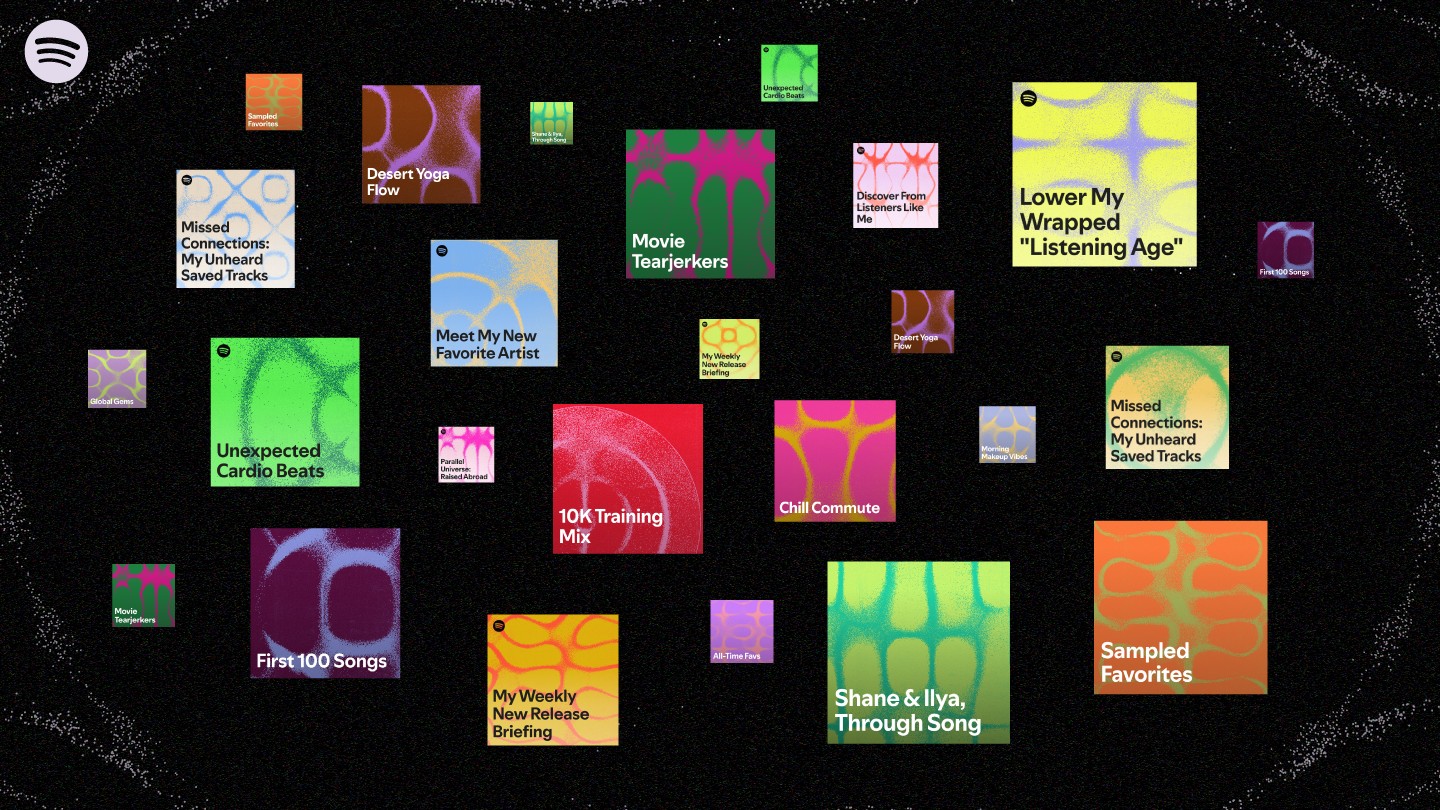
Following a successful test in New Zealand, Spotify is bringing Requested Playlists, a new playlist creation tool that puts you in control of the algorithm, to the US and Canada.
Building on Spotify’s AI playlists tool, which launched in April 2024, Requested Playlists takes a similar approach, but gives you full control over where the algorithm directs. On its news blog, Spotify puts it quite simply: “You’re not just ordering music, you’re shaping how Spotify discovers it for you.”
The biggest difference with Requested Playlists is that you can modify them to update daily or weekly, just like Discover Weekly, but you can customize them to a much greater degree. After spending some time with it, we can see it becoming one of Spotify’s smartest features, and it’ll be even more powerful once its teething issues are resolved.
5. OLED TVs fought back
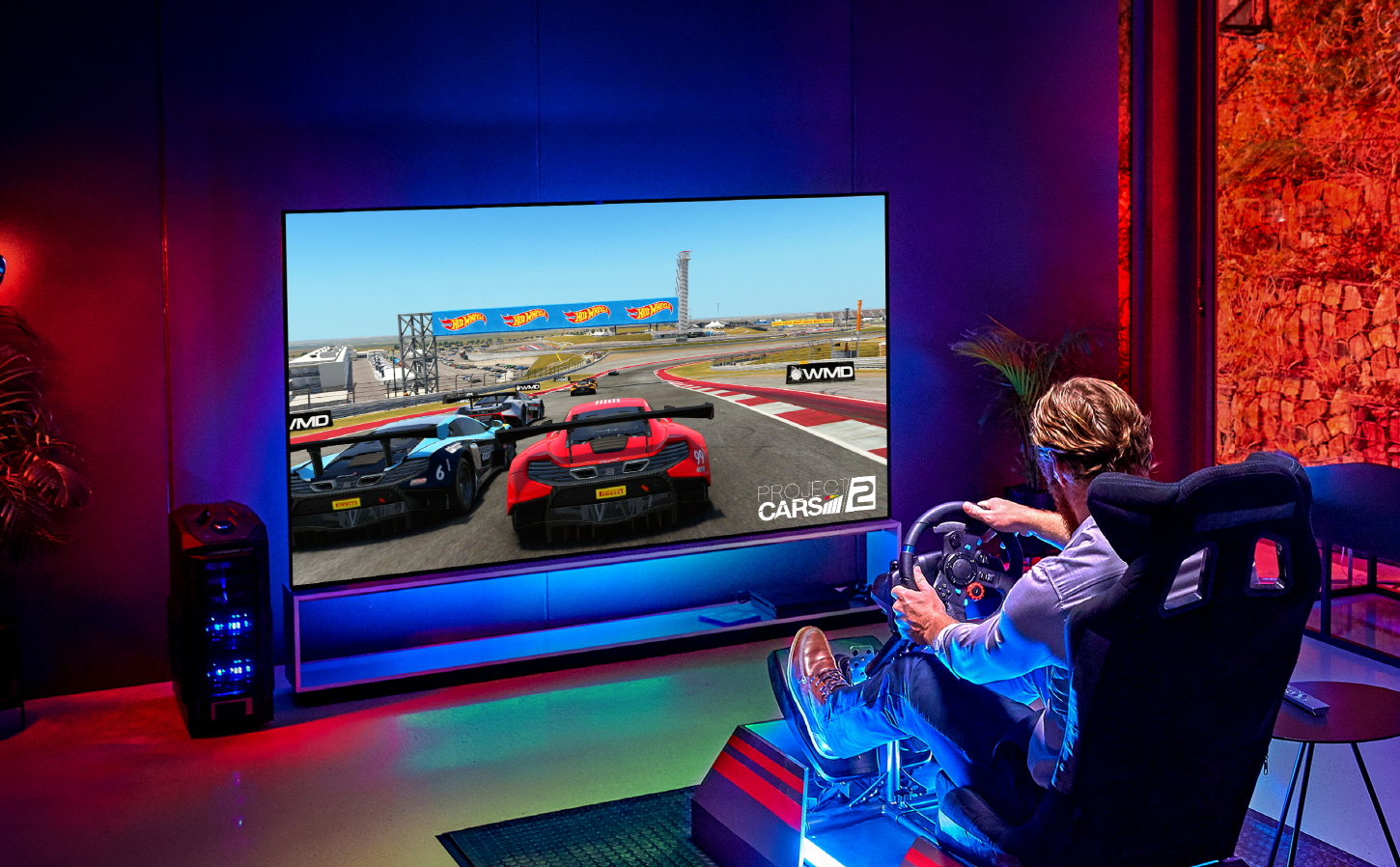
OLEDs have long been revered as the quintessential premium TV technology, but the brightest and cheapest ‘new’ kid on the block, mini-LED, is threatening to eat your lunch.
At least, that was until LG responded with its OLED SE, which promises a 120Hz refresh rate as well as 1000 nits of brightness, which is much more than the 668 nits we measured on the affordable LG B5, so the LG B6 could be a real winner in affordability if it features this technology.
LG Display told FlatPanelsHD that to start, it will make OLED SE panels in five sizes: 48 inches, 55 inches, 65 inches, 77 inches, and 83 inches, and we’re excited to see how it will use these panels in the coming year.
4. Netflix got a universal boost
Even though Netflix initially teased that it would get Universal’s live-action movies exclusively on its platform starting in 2027, it looks like the deal started much sooner than we expected.
According to Netflix, “we can confirm that the billion-dollar licensing deal for live-action films begins earlier than announced, and the first film will be released Megan 2.0.”
It’s unclear when exactly other movies will follow, but this is certainly another trophy Netflix can add to its cabinet.
3. We tested Sony’s clip-style buttons
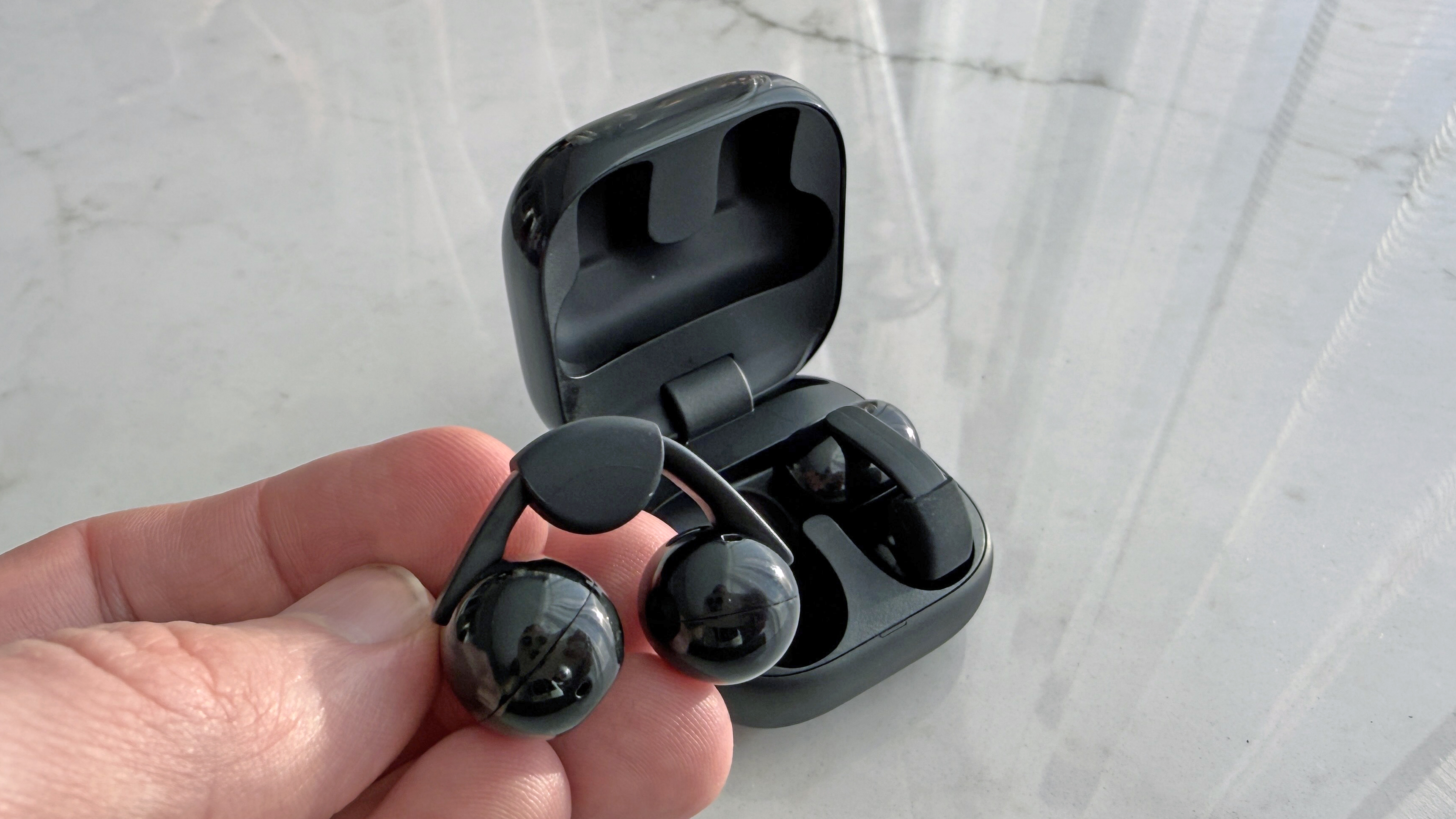
The audio titan that is Sony introduced new open clip-style headphones with its new LinkBuds Clip; We’ve tested them and, unfortunately, this could be a rare mistake for headphone experts.
The fit sometimes felt looser than we would like; The lack of deep bass meant the music lacked any resonance or punchy, punchy rhythm, and even the treble struggled.
Based on our initial testing, we’d expect these headphones to cost around half their $229 / £180 / AU$329.95 price, which is definitely disappointing given Sony’s track record.
2. Sony and TCL teamed up
Sticking with Sony, the brand has just announced that its TVs will now be manufactured in a “joint venture” with TCL, suggesting a major shift in the way its displays are developed, designed and manufactured.
Interestingly, TCL will own 51% of this new joint venture, giving it a majority stake. It’s worth noting that this could simply be due to Chinese rules that limit foreign ownership in joint ventures to 49%: TCL is a Chinese electronics company, while Sony is based in Japan.
Exactly what this means for us remains to be seen, but it could mean Sony moves away from OLED as TCL eschews the technology altogether and perhaps focuses on improved midrange and budget options using TCL’s impressively cost-effective manufacturing.
1. ChatGPT received ads
Even though its CEO once called ads a “last resort” for his business, OpenAI has announced that ads will be coming to ChatGPT for free and to ChatGPT Go-tier users.
The news came out late last week, so we couldn’t include it in ICYMI at that time, so we included it in this week’s, as the announcement represents a huge turn for OpenAI.
As part of the reveal, OpenAI shared some examples of how the ads could work, such as a sponsored shopping list that appears below the answer to a dinner-related question.
Obviously this raises big questions about how reliable the answers are; For example, with the dinner plan, did the AI recommend those meals because it knew they would fit better with a sponsorship? Frankly, there’s a lot we don’t know and we hope these aren’t the last announcements we see from AI chatbots, even if Google promises that Gemini announcements aren’t in the works.


