
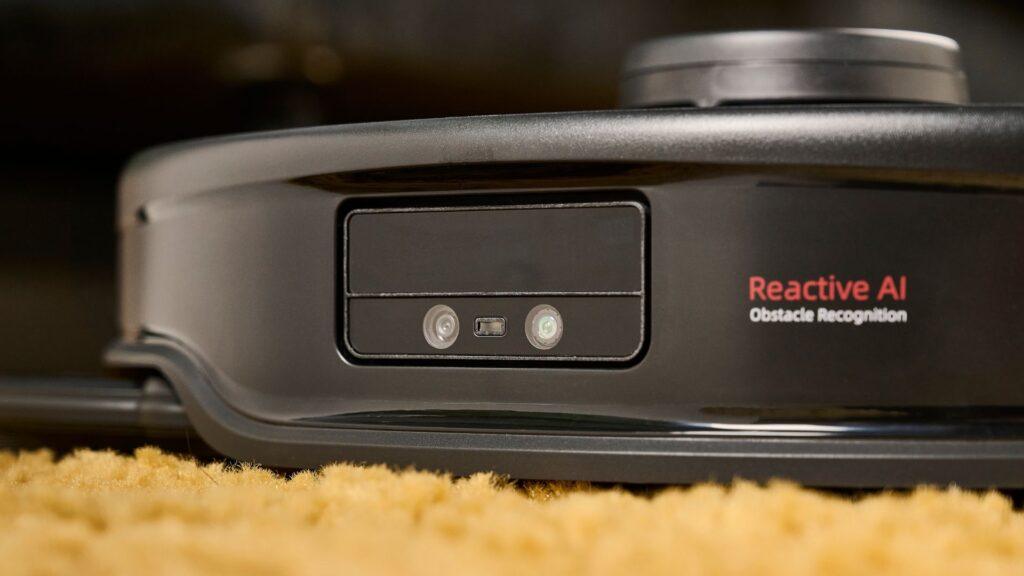
I’ve been reviewing robot vacuums professionally for a couple of years and, as a result, have been regularly involved in conversations about these useful household helpers. Everyone I’ve met outside of a work context seems intrigued by the idea of a robot vacuum, but there are some misconceptions about what they can and can’t do. In many cases, people underestimate the capabilities of modern robot vacuum cleaners.
So let’s make things clear. Here are eight common misunderstandings about robot vacuums and some information about what you can really expect…
1. They are only for vacuuming
Newsflash: Modern robotic vacuums can mop, too. In fact, I would go so far as to say that today you would be hard-pressed to find a robovac that No They have built-in mopping functionality.
However, the level of scrubbing varies considerably. Basic, budget machines, like the Dreame D9 Max Gen 2, will have a large, flat water tank with a mop pad mounted on the bottom. You will have to fill it and connect it to the machine every time you want to mop your floors. In some cases, having the tank on automatically means water will come out, so you’ll need to take the robovac to any target room unless you also want to mop the carpets.
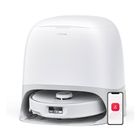
The more expensive robovacs have really quite advanced mop settings. You will almost always be able to set no-mop zones, many robotic vacuums can lift their mop pads when going across the carpet and some will even drop their mop pads on the base when they are not needed. Some premium robot vacuums have bases that will refill the water tanks, dispense detergent, and wash and dry the mop pads for you.
2. They cannot be used on multiple floors.
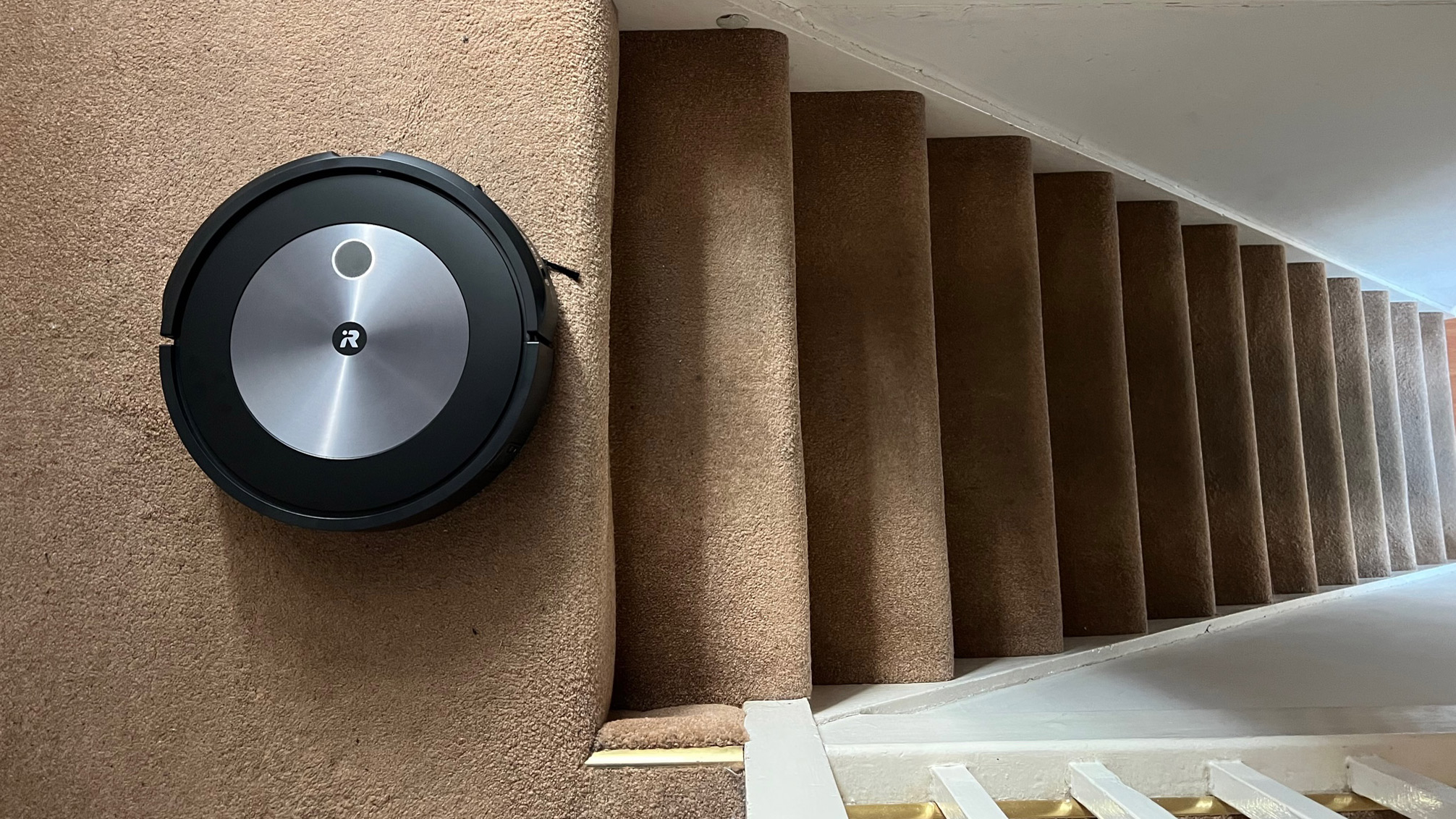
Climbing stairs autonomously is out of the question (at least for the moment… more on that in a second), but that doesn’t mean your robovac is confined to a single floor. You’ll just have to take it up and down the stairs yourself.
The vast majority of robot vacuum apps can store multiple floor plans, so you can map each floor and then place the robot on the floor that needs cleaning. You will not be able to return to your dock in the middle of the cleanup to load or empty your container; but otherwise it will work as usual. Climb sensors mean you won’t have to fall down stairs either.
3. Roomba is still the best brand to buy
Roomba is still making the rounds (although for a while it was touch and ready for parent brand iRobot), but it hasn’t been at the top of the bot charts for some time now. Brands like Roborock, Dreame, Ecovacs and Eufy have surpassed Roomba in terms of features and, in my experience, the latter robots are generally more reliable, capable and also offer better value for money. I’m not going to completely rule out the Roomba just yet, but it’s currently a non-issue for my best robotic vacuum cleaner roundup.
4. They are not for pet hair
Pet hair is notoriously “sticky,” so getting it out of carpet is a challenge for any vacuum cleaner, let alone a robo-type one. However, robot vacuums can still be very useful for owners of pets who shed, simply because they can clean as regularly as you want, without you needing to be awake or in the house.
These light, regular cleanings can help prevent hair buildup, so when you do a deep clean with a handheld vacuum, you don’t have enough hair to fill a king-size comforter. Robot vacuums are also great for cleaning hard-to-reach places (under the bed, for example) where flurries of hair can easily accumulate.
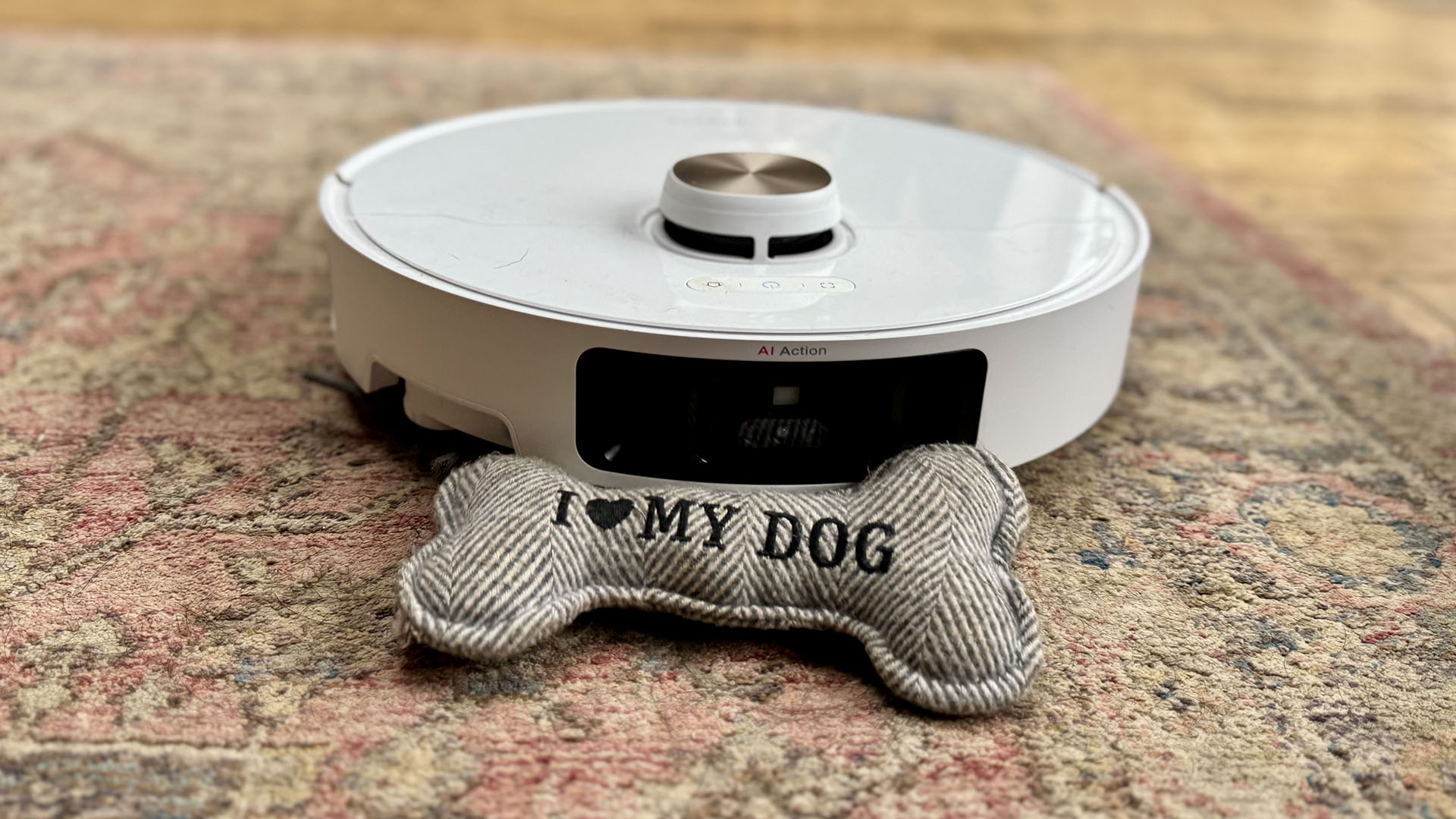
There are a few key things to keep in mind if you are looking for the best robot vacuum for pet hair. Decent suction specs (around 6000 Pa or more) are a must, as is a self-emptying container, unless you want to constantly remove hair from the small integrated dust container. On this last point, it is worth spending more on a high-end dock, as cheaper units can become clogged with hair during the self-emptying process.
5. They are super technical
If you want to understand how robotic vacuum cleaners work, you’ll need to gain some pretty technical knowledge. However, if you choose a good one, using it will be quite easy. Any decent modern robot vacuum will walk you through the setup process, which usually involves nothing more than downloading the correct companion app and connecting the robot to the internet (I’ve never had a problem with this, but here are some things you can try if your robot vacuum loses its internet connection).
Most will then ask you to do a quick mapping run, where the robot will go into each room and create a basic map for you to edit. You could tidy up, pull up chairs, and so on during this part; but even if you don’t, your bot will likely discover previously inaccessible areas on a subsequent run.
Overall, with robotic vacuums there’s a lot to delve into if you’re tech-savvy: fine-editing your maps, setting up complex schedules, tweaking settings, etc. However, if you don’t want to get into all that, most will have a big Go button that you can press and the vacuum will clean your house thoroughly without needing any more information than that.
6. They can’t cope with clutter
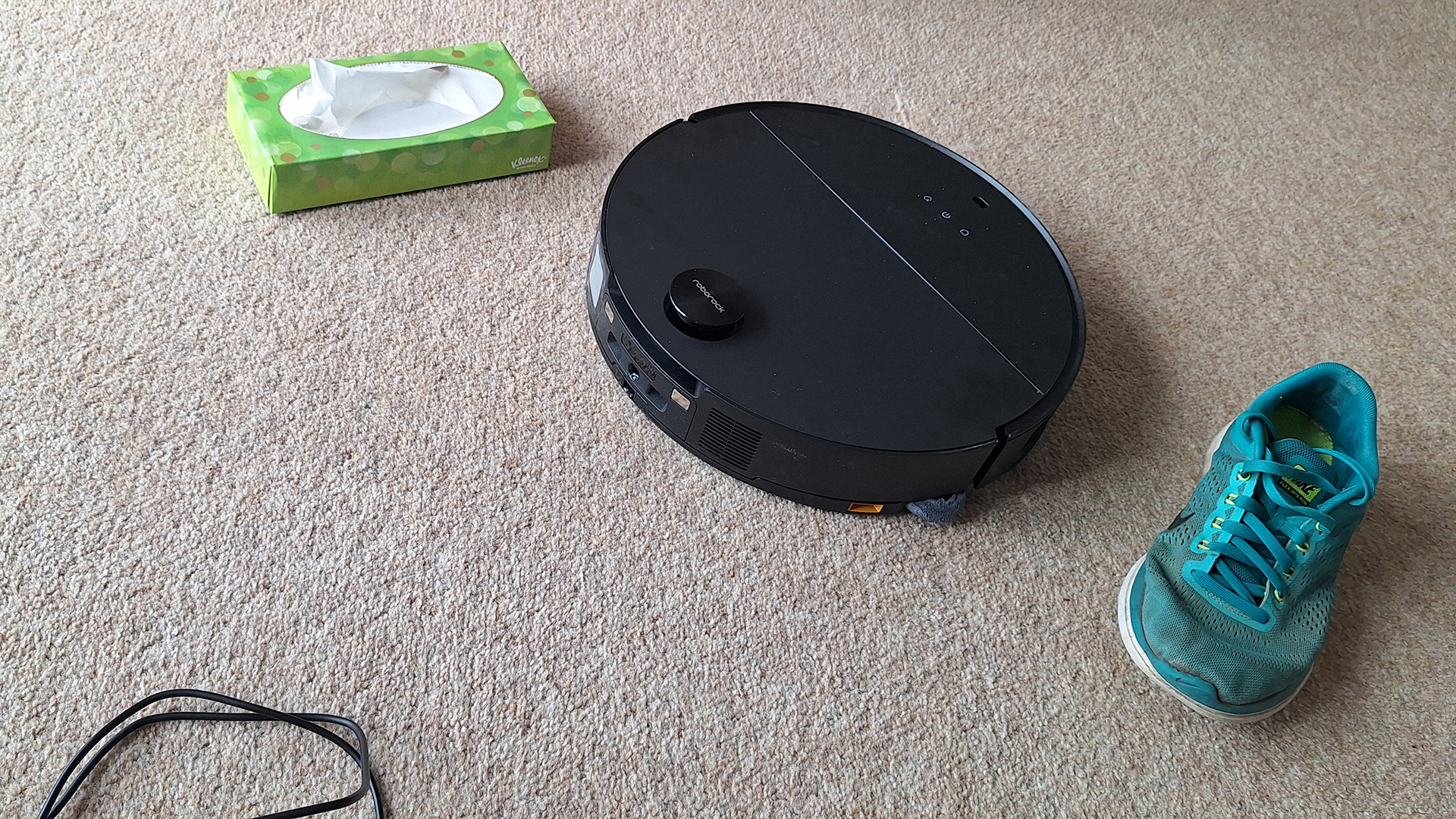
Modern robotic vacuum cleaners come with navigation technology, which means they will be able to navigate around any obstacle. More advanced options can also pinpoint the exact type of clutter and determine what needs a wide margin and what doesn’t. In short, a little clutter is usually not a problem.
That said, there are some limits. In particular, shallow obstacles are often overlooked – I’ve never met a robot vacuum cleaner that wasn’t desperate to devour charging cables like they were spaghetti. And I also wouldn’t trust a robovac’s object avoidance enough to let it loose in a house with a non-housetrained pet.
7. They can replace a manual vacuum cleaner
Robotic vacuum cleaners can be great, but they are unlikely to replace a manual vacuum cleaner. There are some things that even the most expensive and advanced robot vacuum cleaners can’t do. An obvious one is vacuuming stairs (although there are several prototypes in the works from Eufy and Dreame, and more recently Roborock, that aim to change that). Bungalow dwellers aren’t safe either: a robovac can’t vacuum your couch, your mattress, or be used to dust cobwebs from your bedroom trim.
Also, I’ll make it clear that robot vacuums still can’t rival the best manual vacuums in terms of suction. They’re great for light, regular cleaning, but for a proper deep dusting session, you’ll need to roll up your sleeves.
8. They cost a fortune
This depends on your definition of “fortune.” You’re unlikely to find high-end flagship robot vacuums for less than four figures, and for features like automatic mop cleaning and water dispenser, you’ll have to shell out upwards of $600/£600. However, there are plenty of capable entry-level models under $400/£400; My guide to the best budget robot vacuum cleaner has more information. It is still an investment, but perhaps not as ruinous as one might expect.
Discounts aren’t hard to come by either. Robot vacuum cleaners almost always appear at shopping events like Black Friday sales, and when you consider the pace at which the market moves, it’s common to see relatively new models discounted to make room for an even newer rangemate.
The best robot vacuum cleaners
Follow TechRadar on Google News and add us as a preferred source to receive news, reviews and opinions from our experts in your feeds. Be sure to click the Follow button!
And of course, you can also follow TechRadar on YouTube and tiktok for news, reviews, unboxings in video form and receive regular updates from us on WhatsApp also.


