
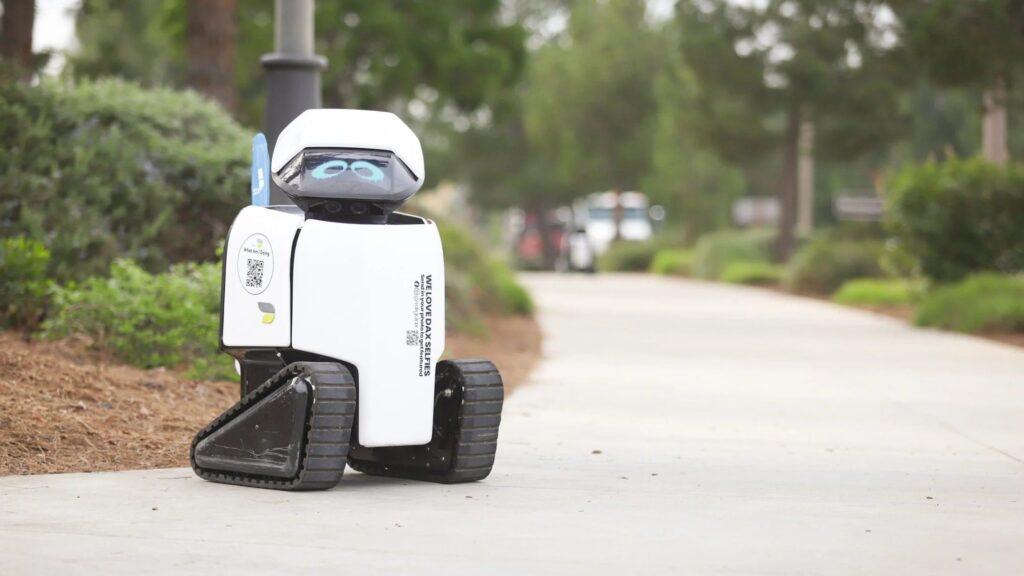
- Burleson deployed robots to scan its sidewalks
- They detect damage, obstacles and other problems that could make it difficult for people with disabilities to use the sidewalk
- They can complete 6 miles in the time a human could scan 2 miles
Obstacles in the road and damaged sidewalks are frustrations for most pedestrians, but for people with accessibility needs, they can make routes completely inaccessible, which is why one city is using robots to improve its streets.
Burleson, a city in the US state of Texas, is the first in the state to deploy Daxbots, also known as urban service or ADA compliance robots. These Wall-E-like machines roam the sidewalks and are packed with scanners and sensors to measure the width and slope of sidewalks, as well as detect potential obstacles that could present barriers for people with disabilities (via CBS).
The robots cover about six or seven miles a day (a human would typically cover only two miles in that time), allowing the city to collect a lot of data quickly. With this information, officials will know where the most repairs and improvements are needed, so they can make their city streets as accessible as possible and simply better for all local residents.
Article continues below.
The robot revolution is back!
Forget delivery robots cruising around town with a hamburger in their trunk; These types of helpful assistants are the type I would love to see roaming my local streets. Not just sidewalks, I’d love to see them scanning the roads for potholes; Near me, they are like hydra heads, one fills up and three more take its place.
They are also simply adorable. Beyond the similarities to Wall-E, I love how the robots apparently know to pause briefly when people approach so they can take a selfie with them.
What also helps the appeal is that the bots offer genuine help to the entire community. Local infrastructure is boring but essential to our daily lives; However, knowing where to best use resources may be impossible with laborious and time-consuming data collection that local authorities may not have time for.
These Daxbots tackle the problem head-on and seem to provide a solid model for how other service robots could help improve our daily lives, rather than simply chasing flashy, flashy improvements that aren’t all that useful in the grand scheme of things.
We’ll have to see if the Daxbot program has been successful once the full analysis is complete, but for a change, I hope we can see more robots on our streets.
Follow TechRadar on Google News and add us as a preferred source to receive news, reviews and opinions from our experts in your feeds. Be sure to click the Follow button!
And of course, you can also follow TechRadar on YouTube and tiktok for news, reviews, unboxings in video form and receive regular updates from us on WhatsApp also.


