

- An Asus executive was asked if integrated graphics in laptops represented the future of PC gaming.
- He responded that “we are definitely entering territory where that becomes a possibility” and that “it’s just a matter of time.”
- The executive acknowledged that it is a thorny issue, with many nuances and other factors to take into account.
As integrated graphics advance in terms of performance (the latest being Intel’s Panther Lake processors), there’s been talk again about when discrete GPUs might become effectively irrelevant.
And according to Asus, in an interview with Tom’s Guide at CES 2026, we’re now entering territory where integrated graphics may be the future of PC gaming.
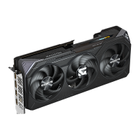
For the uninitiated, a discrete GPU, as the name suggests, means a standalone graphics card, as opposed to integrated graphics built into the CPU, and obviously, with a full, standalone expansion board to work with, you can get much more powerful levels of performance.
Dedicated gaming laptops still use discrete GPUs for that reason, but how close are we to reaching the point where these discrete boards will be effectively sidelined?
Tom’s Guide asked Sascha Krohn, director of technical marketing at Asus, if integrated graphics in laptops represented the future of PC gaming.
Krohn responded: “I would say we’re definitely entering the territory where that becomes a possibility. I think it’s something that, in the past, couldn’t really be done, but I think now we’re getting to the point where — and the very fact that you’re asking the question, you’re not the only one — shows that if you follow this trend, it’s probably going to happen. And it’s just a matter of time.
“Are we there now? I’m not sure if we’re there now. In the end it will be very interesting how the market reacts, for example, how end users react to this.”
Analysis: Panther Extreme Halo effect
It’s a bold statement, because while Krohn says he’s not “sure” we’re at this point, the doubt implies we might be, or at least getting close. The new integrated graphics on Intel’s Panther Lake chips are impressive, and the same applies to Qualcomm’s Snapdragon
Krohn notes that Cyberpunk 2077 runs impressively with integrated graphics these days, which is notable. But the question of when integrated GPUs could effectively sideline discrete boards is complicated, as the Asus executive acknowledges.
Krohn observes on the topic of integrated graphics: “And I think it really depends on who you ask, right? I think there are a lot of people who will say yes, this [integrated GPU performance] It’s good enough for me, this is totally fine. I don’t need more. But calling that a dedicated gaming device is another story, right?”
He continues: “I think the expectations, once you call it a gaming laptop, are probably higher. Gaming laptops are not going away anytime soon, not even in the long term. And dedicated GPUs will still be around for many years. How many people are going to go for dedicated GPUs and how many people are going to go for integrated GPUs, that’s something that everyone has a different view on.”
And that’s the crux of the matter: we’re not talking about the death of the discrete GPU here, because that’s very, very far away. If it ever happens, enthusiasts will always want better and faster GPUs so that 4K games run smoothly, at native resolution (no AI tricks), with all the bells and whistles turned on. Similarly, discrete GPUs will continue to get faster, as will integrated solutions. Discrete will still be at the top of the tree, naturally.
So what we’re really talking about is when integrated graphics are good enough that the vast majority of gamers will be happy using them, and sure, that point may not be that far in the future. But I think there’s still a long way to go, and while integrated graphics will no doubt continue to make very good progress in terms of performance, as noted, so will discrete GPUs. While it is true that in laptops, within the confines of the chassis, increasing power consumption could be a problem for discrete GPUs, advances in cooling solutions can help.
It’s a tough call, to be sure, but I think Asus is veering a little toward the optimistic side of the fence here. In the end, one factor that could be key for discrete GPUs is whether there will even be the will to continue developing faster and faster models, because if AI continues to boom, the momentum behind GeForce gaming GPUs could falter. It’s not hard to imagine Nvidia throwing its weight behind AI at the expense of gamers, and people have been theorizing for a while now that Team Green might not continue its GeForce line of games forever.
The best graphics cards for all budgets
TechRadar will cover this year’s edition extensively CESand will bring you all the important announcements as they happen. Go to our CES 2026 Live News page for the latest stories and our hands-on verdicts on everything we’ve seen.
You can also ask us a question about the show on our CES 2026 Live Q&A and we will do our best to answer it.
And don’t forget follow us on tiktok For the latest from the CES fair!


