
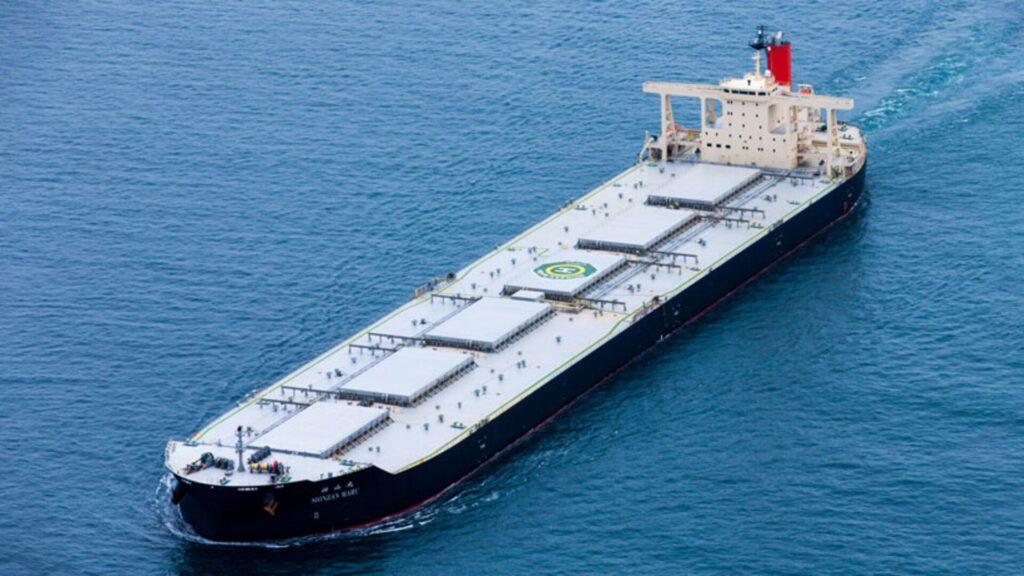
- Floating data centers near as Hitachi backs ship conversion plan
- Japan explores offshore computing to avoid land shortages and infrastructure limits
- Seawater cooling offers efficiency gains while introducing new engineering complications
A floating data center project in Japan has gained major backing from Hitachi, bringing a ship-based computing concept closer to potential implementation.
The company and its subsidiary Hitachi Systems signed a memorandum with shipping company Mitsui OSK Lines to develop and operate the facility.
The deal covers the conversion of a second-hand vessel into a working data center, with operations tentatively expected to begin from 2027.
Article continues below.
Why Japan is looking to the water for server farms
Hitachi will bring expertise in operating onshore facilities in Japan and deploying containerized data systems in overseas markets.
Demand for data center capacity continues to increase as artificial intelligence systems require more computing power and supporting infrastructure.
This demand creates pressure to identify locations that can support long-term cooling, power supply, and operational stability.
Japan faces land constraints, particularly around Tokyo and Osaka, where most existing data campuses remain concentrated, and the floating concept offers an alternative as it reduces construction timelines, meaning the conversion of the ships could be completed in about a year.
Conventional data centers often require several years to design, approve and build under current regulatory conditions.
Previous plans called for the conversion of a 120-metre, 9,731-tonne vessel, although attention has shifted towards repurposing a car transporter as such vessels provide large internal cargo areas that can accommodate server installations and associated infrastructure.
A capacity of approximately 54,000 square meters would place the facility close to the scale of large terrestrial data centers.
Cooling would rely on sea or river water, reducing reliance on increasingly limited freshwater sources, although this approach introduces different engineering requirements, particularly around corrosion control, filtration and heat exchange efficiency.
Mitsui OSK Lines is also examining how it can reuse existing onboard systems during the conversion, including air conditioning, water intake and power generation infrastructure already integrated into the vessel.
Reusing these systems can reduce initial costs, although the extent of the savings remains unclear without detailed disclosures.
Hitachi and Hitachi Systems will oversee the design, installation and operational management of the IT infrastructure, as well as engage customers and define the technical requirements for deploying workloads on the platform.
Mitsui OSK Lines will manage the vessel conversion, coordinate with port authorities and handle logistics and maritime maintenance.
The deal reflects a split between digital infrastructure expertise and maritime operational control.
Through The Registry
Follow TechRadar on Google News and add us as a preferred source to receive news, reviews and opinions from our experts in your feeds. Be sure to click the Follow button!
And of course you can also follow TechRadar on TikTok for news, reviews, unboxings in video form and receive regular updates from us on WhatsApp also.


