
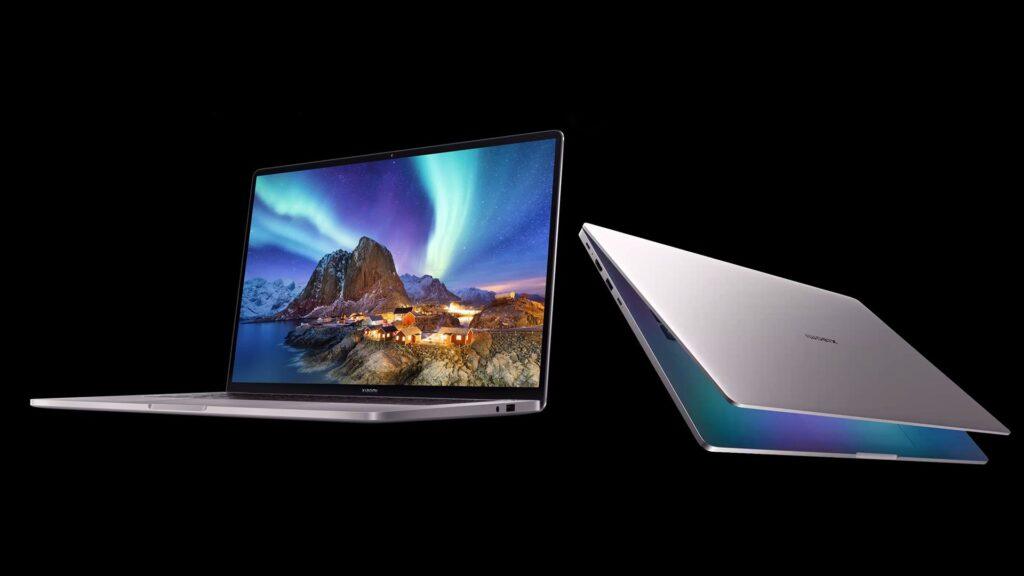
- Rising RAM prices are becoming the biggest driver of rising laptop costs
- Processor price increases are adding significant pressure to already strained laptop supply chains
- Demand for AI infrastructure is quietly reducing the availability of entry-level laptop chips
Laptop prices may rise sharply over the next few quarters as memory and processor costs rise across the global supply chain.
New figures from TrendForce claim that the combined effect of rising component prices could drive up retail prices for laptops if manufacturers try to maintain current profit margins.
The report estimates that a mainstream laptop that originally sold for around $900 could see price increases of up to 40% if processor and memory costs continue to rise.
Article continues below.
Rising memory prices could change laptop prices
Under typical conditions, memory components like RAM and SSD make up about 15% of a laptop’s bill of materials.
After several quarters of price increases, TrendForce claims that participation may exceed 30% this year and that manufacturers will have to adjust accordingly.
This means that memory components alone could lead to a large price increase due to increasingly tight supply conditions affecting DRAM and NAND flash memory.
Processor costs are rising along with memory prices, adding another layer of pressure to laptop manufacturing costs.
According to TrendForce supply chain observations, Intel has already increased prices on certain entry-level and older laptop processors by more than 15%.
Additional increases affecting mainstream and higher-tier portable platforms may occur over the next few quarters.
Processors already represent one of the largest portions of a laptop’s bill of materials.
When both CPUs and RAM increase simultaneously, their combined share of system costs can increase from about 45% to almost 58%.
These increases could translate into retail price increases of close to 40% if manufacturers and distributors maintain their current margin structures.
Supply volatility may worsen the situation as demand for AI infrastructure drives manufacturing capacity toward high-performance computer processors.
This leaves fewer resources available for lower-level laptop chips, and the shift is starting to restrict the supply of entry-level laptop processors.
The effects of component cost increases will not be uniform across the industry. Large manufacturers with long-term procurement agreements can get better prices and stable allocations from suppliers.
Smaller suppliers may face greater cost pressure and shipping uncertainty as supply fluctuates.
Competition between processor suppliers is also influencing supply conditions. Laptop manufacturers are increasingly relying on Intel and AMD platforms.
This dependence has gradually increased AMD’s share of the laptop processor market.
However, reports indicate shortages on certain entry-level AMD platforms, suggesting tighter supply conditions across multiple processor ecosystems.
Rising component costs could affect a wide range of systems, including premium consumer laptops and corporate business laptops.
Whether retail prices rise to the extent TrendForce predicts will likely depend on how manufacturers absorb costs, negotiate supply contracts and manage demand.
Through TechPowerUp
Follow TechRadar on Google News and add us as a preferred source to receive news, reviews and opinions from our experts in your feeds. Be sure to click the Follow button!
And of course you can also follow TechRadar on TikTok for news, reviews, unboxings in video form and receive regular updates from us on WhatsApp also.


