
- LG no longer makes its 8K OLED TV or any 8K LED TV
- 8K panel production is “on hold” but could return if things change
- Even Samsung isn’t pushing 8K as much: it’s starting to look a lot like 3D
Stop me if you’ve heard this before: a TV technology failed to excite customers due to high prices and lack of compatible content. It looks like 8K may be going the way of 3D TVs and is declining, as LG reportedly abandons a market that TCL and Sony have already exited.
LG was the only manufacturer to sell 8K OLED TVs worldwide, but its Z3 OLED TV was discontinued last year and there is no replacement model in this year’s lineup. Panel producer LG Display has confirmed to FlatpanelsHD that development of 8K panels is on hold for the foreseeable future unless market conditions improve.
The Z3 was one of our picks for the best 8K TVs. But the fact that our list only includes three TVs, one of which is still available but no longer in production, is a small clue as to why LG is apparently exiting.
What is the status of the 8K TV market?
With LG exiting the 8K TV market, Hisense’s 8K plans seemingly on hold, and both TCL and Sony gone, that leaves Samsung as the sole bearer of the 8K torch, and Samsung’s enthusiasm doesn’t seem all that strong either.
A few years ago, Samsung offered a range of 8K TVs aimed at different budget levels. Last year, it only bothered with one really high-end model, and that seems to be the case in 2026 as well; However, unusually, Samsung did not show this TV at CES 2026, focusing on RGB and QD-OLED TVs instead.
Perhaps even more notable is that when Samsung first demonstrated its Micro RGB backlight technology at CES 2025, it was on an 8K prototype, but the only RGB TVs it’s actually launching are 4K.
We identified 8K TVs as one of our losers for 2025 and explained that a big part of the problem is that 8K TVs don’t solve a problem: “there is a lot of information that the human eye can actually perceive. In a world where the best 4K TVs continue to dazzle, native 8K UHD panels (7860 x 4320 pixels) are overkill.” At normal viewing distances, “it would be difficult to distinguish the fine details of your favorite Ultra HD movie or show on the 8K display of today’s best 55-inch 4K TV.”
I think another key issue is the continued and probably fatal lack of content. Blu-ray maxes out at 4K resolution, as do all of the major streamers’ most premium tiers, and there won’t be an 8K disc format; Last year, Warner Bros. said it had scanned some big-name films in 8K, but the number of films was only 20 and it was unclear how those films would be distributed. As I wrote at the time, “the shortage of 8K content is clearly worrying TV companies and keeping sales numbers low.”
I think it’s a shame, but as a former 3D TV owner who struggled to find something worth putting on those silly specs, I’m well aware that sometimes the usefulness of TV technology doesn’t always live up to the hype (although maybe 3D isn’t as dead as it seems: a new TV technology offers glasses-free 3D TVs. The big question is whether many of us will want it).
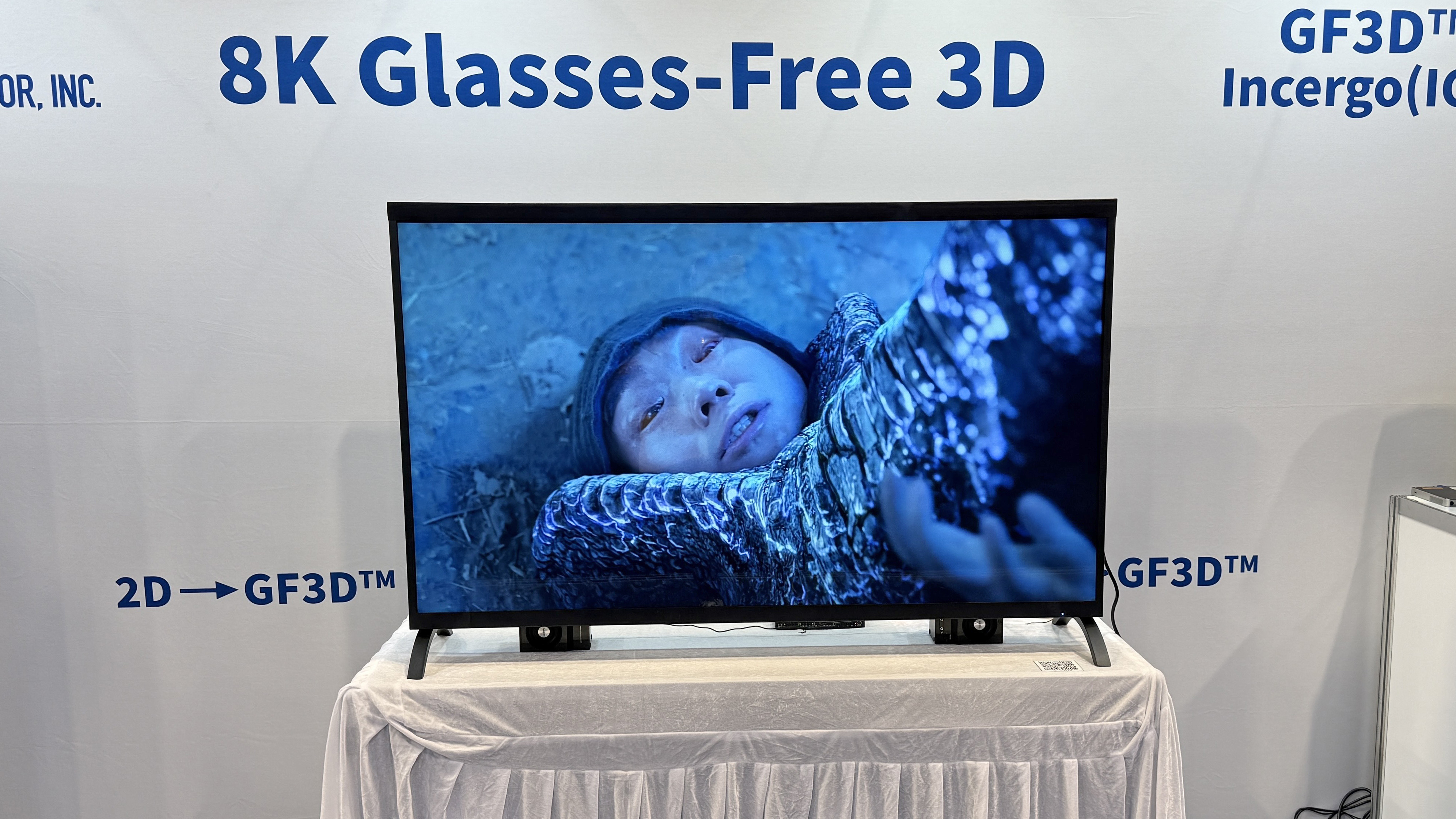
I think there is a place for 8K technology – Samsung’s The Wall is extraordinary and can be useful in monitors where a high pixel count is desired.
But given the cost of the kit, the lack of content, and the sheer brightness of the best 4K TVs, I’m not sure that place is in my living room or yours. And it seems that manufacturers are increasingly coming to that conclusion as well.
The best televisions for all budgets
Follow TechRadar on Google News and add us as a preferred source to receive news, reviews and opinions from our experts in your feeds. Be sure to click the Follow button!
And of course, you can also follow TechRadar on YouTube and tiktok for news, reviews, unboxings in video form and receive regular updates from us on WhatsApp also.


