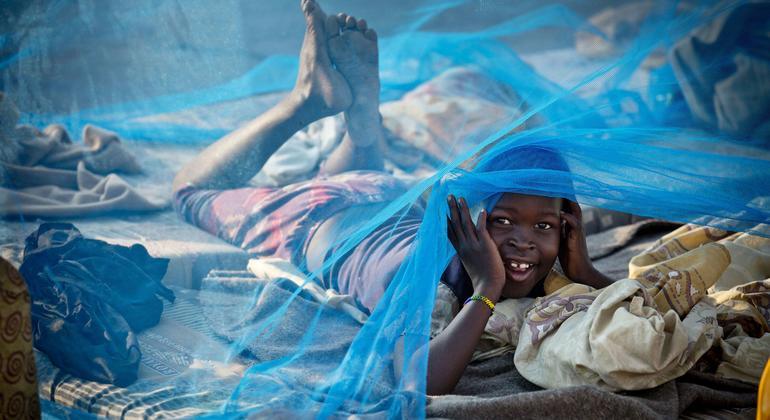
The mosquito-borne parasitic disease is preventable and curable, but it remains a serious and deadly threat to global health, claiming hundreds of thousands of lives, especially among young children and pregnant women, mainly in sub-Saharan Africa.
The WHO’s latest annual update shows impressive progress since 2000: the intervention has saved an estimated 14 million lives worldwide over the past quarter century, and 47 countries are certified malaria-free.
However, malaria remains a deadly concern. In 2024 there were more than 280 million cases of malaria and more than 600,000 malaria deaths, and 95 percent of the cases were concentrated in the African region, the majority in just 11 countries.
resistance increases
A major obstacle to malaria elimination is the issue of drug resistance, which deserves a separate chapter in this year’s study: eight countries reported confirmed or suspected resistance to antimalarial drugs, including artemisinin, a treatment recommended by the WHO.
To combat this, the report recommends that countries avoid over-reliance on a single drug while opting for better health surveillance and regulation systems.
Lack of funding – in a region plagued by conflict, climate inequity and fragile health systems – is another major cause.
Some $3.9 billion will be invested in the response in 2024, less than half the target set by the WHO.
The report highlights that Foreign Development Assistance (ODA) from rich countries has fallen by around 21 percent. Without more investment, the authors say, there is a risk of a massive, uncontrolled resurgence of the disease.
‘The red lights are flashing’
“Malaria remains a preventable and treatable disease, but it may not last forever,” Dr. Martin Fitchet, executive director of Medicines for Malaria Venture, a nonprofit organization focused on the distribution of new antimalarial drugs, warned at a WHO press conference to launch the report.
“We need to act now to increase the scope and coordination of surveillance, so that we do not go in blindly, and invest boldly in the innovation of the next generation of medicines, so that the parasite does not get ahead of us.”
Dr Fitchet raised the specter of the crisis resulting from resistance to the anti-malarial drug chloroquine in the 1980s and 1990s.
A detailed shot of malaria vaccine vials at a government cold storage facility in Lilongwe, Malawi, on April 25, 2022.
This caused a humanitarian disaster, with the loss of millions of lives, mainly children.
“Today we can see in this report that the red lights are coming back on with an increasing number of resistant mutations emerging on the African continent. We need to ensure that we prolong the resilience and effectiveness of the medicines we have now.
“But our long-term resilience and eventual victory in the fight against malaria depends on the development of the next generation of anti-malarial drugs.”
He said the “complexity and scale of the challenge we face means that no tool or actor can succeed alone,” he concluded, calling for partnerships that span the entire human health sector, including “industry, global health agencies, academia, clinicians, researchers, civil society, communities and funders.”