
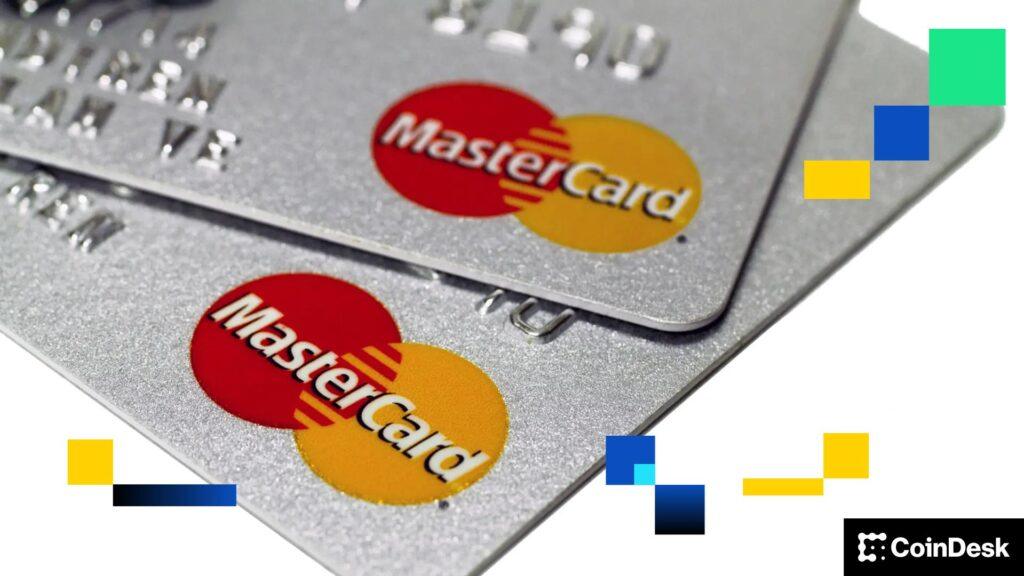
Mastercard has agreed to buy BVNK, a stablecoin infrastructure company, for up to $1.8 billion as it seeks to bolster its use of digital assets for international payments.
By integrating BVNK’s technology, Mastercard aims to connect on-chain payments to its global network, enabling use cases such as cross-border transfers, remittances and business-to-business payments, the company said on Tuesday.
BVNK provides the technology to bridge traditional fiat systems with blockchain-based transactions, allowing businesses to move money in seconds across more than 130 countries. Its infrastructure, used by companies such as Worldpay, Deel and Flywire, processes $30 billion a year, the UK-based company said in a blog post.
BVNK’s capabilities complement Mastercard’s existing card network, expanding options for moving money across traditional fiat systems and blockchain-based rails, investment bank William Blair said in a note.
“We view Mastercard’s acquisition of BVNK as further affirming the stablecoin market for cross-border commerce, rather than B2C payments, which are well served by card,” the bank said.
The acquisition also highlights Mastercard’s growing push into digital assets as the adoption of stablecoins (digital tokens whose value is pegged to a conventional financial asset) accelerates. Last week, it announced its Crypto Partner Program, bringing together more than 85 companies from across the digital asset and payments industries in an effort to link blockchain technology more directly to the infrastructure that underpins global commerce.
“We expect that most financial institutions and fintechs will eventually provide digital currency services,” Jorn Lambert, chief product officer at Mastercard, said in a statement. The deal will help bring “the benefits of tokenized money to the real world.”
Those capabilities complement Mastercard’s existing card network, expanding options for moving money across traditional fiat systems and blockchain-based rails, investment bank William Blair said in a note.
Stablecoin payment volumes will reach at least $350 billion by 2025, according to the company, and growing regulatory clarity has led banks and fintechs to explore offerings tied to tokenized deposits and blockchain-based money movements.
The deal comes several months after Coinbase ended $2 billion acquisition talks with the stablecoin startup. At the time, a Coinbase spokesperson declined to provide a reason for the talks’ failure.
The transaction, which is subject to regulatory approvals, is expected to close before the end of the year.
UPDATE (March 17, 12:45 UTC): Add details about the transaction, background starting in the third paragraph, and Coinbase’s approach in the sixth.
UPDATE (March 17, 15:56 UTC): Adds investment analysis, quote from investment bank William Blair.


