
- Meta and Nvidia launch multi-year partnership for hyperscale AI infrastructure
- Millions of Nvidia’s Arm-based GPUs and CPUs will handle extreme workloads
- Unified architecture spans data centers and Nvidia cloud partner deployments
Meta has announced a multi-year partnership with Nvidia aimed at building a hyperscale AI infrastructure capable of handling some of the largest workloads in the technology sector.
This collaboration will deploy millions of Arm-based GPUs and CPUs, expand network capacity, and integrate advanced privacy-preserving computing techniques across all of the company’s platforms.
The initiative seeks to combine Meta’s extensive production workloads with Nvidia’s hardware and software ecosystem to optimize performance and efficiency.
Unified architecture across all data centers
The two companies are creating a unified infrastructure architecture that spans on-premises data centers and Nvidia cloud partner deployments.
This approach simplifies operations while providing scalable, high-performance computing resources for AI training and inference.
“No one is deploying AI at the scale of Meta, integrating cutting-edge research with industrial-scale infrastructure to power the world’s largest personalization and recommendation systems for billions of users,” said Jensen Huang, founder and CEO of Nvidia.
“Through deep code design across CPUs, GPUs, networking and software, we are bringing the complete Nvidia platform to Meta researchers and engineers as they build the foundation for the next frontier of AI.”
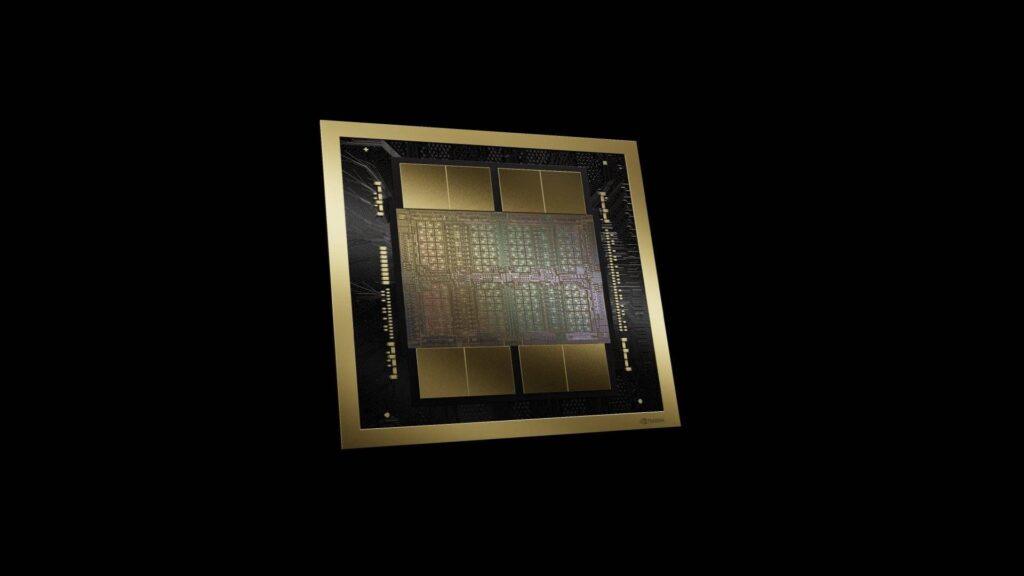
Nvidia’s GB300-based systems will form the backbone of these implementations. They will offer a platform that integrates compute, memory and storage to meet the demands of next-generation AI models.
Meta is also expanding the Nvidia Spectrum-X Ethernet network across its footprint and aims to deliver predictable, low-latency performance while improving operational and power efficiency for large-scale workloads.
Meta has begun adopting Nvidia Confidential Computing to support AI-powered capabilities within WhatsApp, allowing machine learning models to process user data while maintaining privacy and integrity.
The collaboration plans to extend this approach to other meta-services, integrating privacy-enhanced AI techniques into multiple applications.
The Meta and Nvidia engineering teams are working closely to code AI models and optimize the software across the infrastructure.
By aligning hardware, software and workloads, companies aim to improve performance per watt and accelerate training for next-generation models.
The large-scale deployment of Nvidia Grace CPUs is a critical part of this effort, and the collaboration represents the first major deployment dedicated to Grace at this scale.
Software optimizations are also being implemented in CPU ecosystem libraries to improve performance and power efficiency for successive generations of AI workloads.
“We are excited to expand our partnership with Nvidia to build cutting-edge clusters using their Vera Rubin platform to deliver personal superintelligence to everyone in the world,” said Mark Zuckerberg, founder and CEO of Meta.
Follow TechRadar on Google News and add us as a preferred source to receive news, reviews and opinions from our experts in your feeds. Be sure to click the Follow button!
And of course you can also follow TechRadar on TikTok for news, reviews, unboxings in video form and receive regular updates from us on WhatsApp also.


