
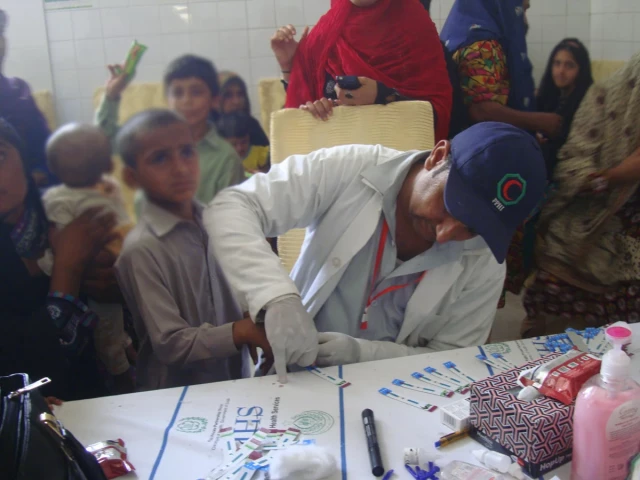
Authorities warn that daily new infections and unsafe practices are causing a silent spread
PESHAWAR:
Nearly 40,000 people in Khyber-Pakhtunkhwa are currently living with HIV/AIDS, with 15 to 20 new cases reported daily, provincial health officials revealed on World AIDS Day.
At a press conference held at the Peshawar Press Club on Monday, Dr. Tariq Hayat Taj, director of the Provincial AIDS Control Programme, said only about 9,800 patients are officially registered. He warned that the real number is much higher, as many people avoid testing due to social stigma and fear of discrimination.
“Due to harsh social attitudes, many patients are afraid to get tested,” said Dr. Tariq, underlining that this reluctance is fueling the silent spread of the virus.
It highlighted unsafe medical practices, including quacks, illegal street clinics and the repeated use of individual syringes, as the main contributors to the rise in infections. Dr Taj urged the Health Regulatory Authority to take decisive action against such practices.
“Contaminated syringes, if reused, can rapidly spread the virus,” he warned, while noting that HIV is no longer untreatable. The provincial government provides KP patients with free medicines and lifelong treatment.
According to UN estimates, approximately 40,000 people in KP and 330,000 across Pakistan are living with HIV, a figure officials called “extremely alarming.”
During vaccination drives in high-risk areas like Iqbal Plaza in Peshawar, 197 transgender people tested positive for HIV. Dr. Tariq confirmed that all affected people are receiving treatment.
The virus, he explained, is not limited to sexual transmission. “It can be spread through infected needles, unsterilized equipment in barbershops and beauty salons, and other unsafe practices,” he said.
Currently, about 60 percent of HIV patients in KP are men, 30 percent women and 10 percent transgender people. Drug users, transgender communities and sex workers are the most vulnerable groups. “The general population is no longer safe and the virus is silently spreading beyond high-risk groups,” Dr Tariq warned.


