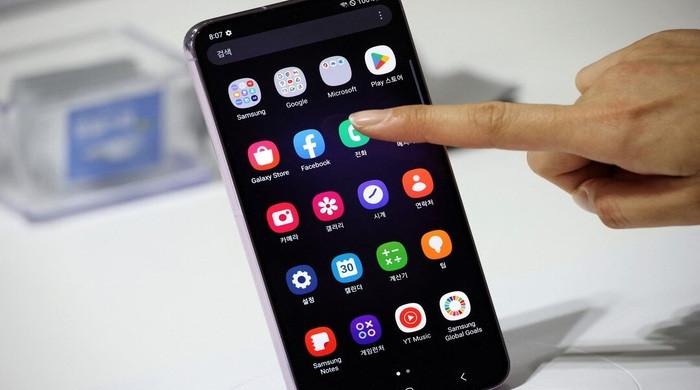
It is well known that the size of smartphones over the years has increased with each passing generation, even as manufacturers have been pursuing slimmer designs. But for consumers, who prefer smaller devices, demand for powerful compact phones has never been higher.
Unfortunately, it now appears that those looking for smaller options would be disappointed with the latest trends in the ever-burgeoning evolution of smartphones.
The move towards larger screens
Recent reports, revealed by supply chain experts, indicate that two major phone makers are developing devices with screens measuring seven inches or larger. This extraordinary screen size has been primarily associated with tablets, but now points to the dawn of a new smartphone landscape.
Older tablets typically feature screens around seven inches, the dimensions that modern smartphones have recently approached.
Currently, the largest screens found on mainstream smartphones sit just below the seven-inch mark, with models like the Galaxy S25 Ultra expected to be 6.86 inches and the upcoming Galaxy S26 Ultra to reach 6.89 inches.
Apple and Samsung have been launching larger flagship models for years, but neither of them has yet dared to officially cross the seven-inch threshold. It should be noted that the push for larger screens is driven by consumer demand for greater viewing experiences, especially for media consumption and gaming, as larger screens allow for more immersive visuals, making watching or gaming more enjoyable.
Bigger screens, bigger batteries?
In addition to improving viewing experiences, the trend towards the adoption of larger screens than ever could also result in the inclusion of larger batteries and, in particular, if manufacturers decide to circumvent US sanctions on battery size, devices could also emerge equipped with larger batteries than the current 5,000 mAh standard.
This would usher in an era where longer battery life and better overall performance would be normalized. The chances of this happening could be unquestionable if companies adopted advanced battery technologies such as silicon-carbon.
While the prospect of larger smartphones and a host of conveniences surrounding them is exciting, it’s not without potential price increases. The smartphone world is already facing a memory crisis, driven by new AI data centers that demand overwhelming processing power.
Since the innovative fabric of smartphones is changing rapidly, consumers are interested in observing how these changes affect their purchasing power. and only time will reveal whether the benefits of larger screens outweigh their drawbacks.