
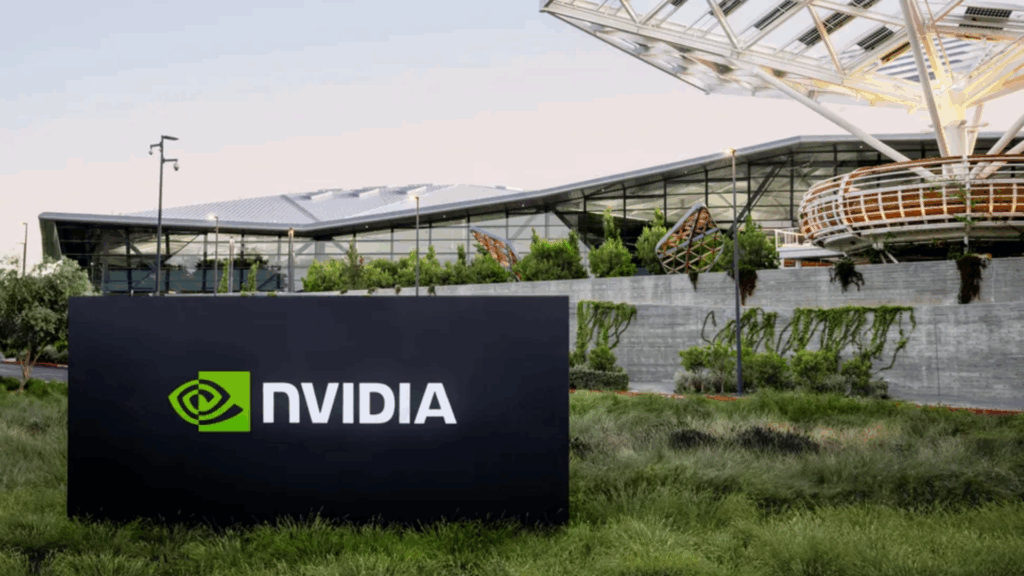
- Nvidia is reportedly working to combine CPUs and GPUs into a single chip for PCs
- New system-on-a-chip designs aim to integrate AI capabilities into laptops
- Collaboration with MediaTek and Intel seeks compatibility with current Windows applications
Nvidia is reportedly expanding its reach into the consumer PC market with plans to introduce processors that integrate central processing units and graphics processing units on a single chip.
This system-on-a-chip design, developed in collaboration with MediaTek and Intel, aims to bring AI capabilities directly to Windows PCs while maintaining power efficiency and performance.
Nvidia has experience with similar architectures in consoles and tablets, but the move to large-scale PCs represents an important extension of its strategy.
Nvidia seeks collaboration for broader support
The Nvidia-MediaTek collaboration uses Arm architecture, allowing the combination of Nvidia CPUs and GPUs in a compact, unified design.
In parallel, Intel-based models are being developed to ensure compatibility with existing Windows software and high-end applications. PC makers including Dell and Lenovo are reportedly testing these chips for possible launches in the first half of the year.
By integrating CPU and GPU functionality, the chips aim to deliver thinner, lighter laptops with longer battery life, suitable for gaming, productivity and AI workloads.
Despite the promise of integrated performance, Nvidia faces challenges replicating the success of its desktop GPUs in laptop PCs.
Previous attempts with Arm-based chips, including Microsoft AI PCs using Qualcomm processors, have encountered software compatibility issues that limited games and other resource-intensive applications.
Price is another critical factor, with analysts suggesting that laptops using the Nvidia chip should stay within the $1,000 to $1,500 range to avoid classification as niche luxury items.
Nvidia must also convince consumers and developers that these new chips can reliably support gaming, workstation tasks, and everyday computing without compromising existing software ecosystems.
The company does not expect immediate profits from this expansion, but sees it as a long-term effort to position itself within the next-generation PC ecosystem.
By entering the consumer PC market, Nvidia aims to maintain visibility among users in a landscape increasingly defined by AI-enabled devices.
These chips could compete with Apple’s MacBooks while supporting enterprise laptop, workstation, and mini PC configurations.
Analysts suggest the expansion is as much about bolstering Nvidia’s role in AI hardware as it is about near-term business returns.
Through WSJ
Follow TechRadar on Google News and add us as a preferred source to receive news, reviews and opinions from our experts in your feeds. Be sure to click the Follow button!
And of course you can also follow TechRadar on TikTok for news, reviews, unboxings in video form and receive regular updates from us on WhatsApp also.


