
- Liberal Democrat peer warns of dangers associated with free VPNs
- Minister says government will address ‘evidence gap’
- Not all free VPNs pose the same risk
A Liberal Democrat peer has claimed that children in the UK are turning to free VPN apps that “monetize user data and expose devices to viruses” to bypass age restrictions.
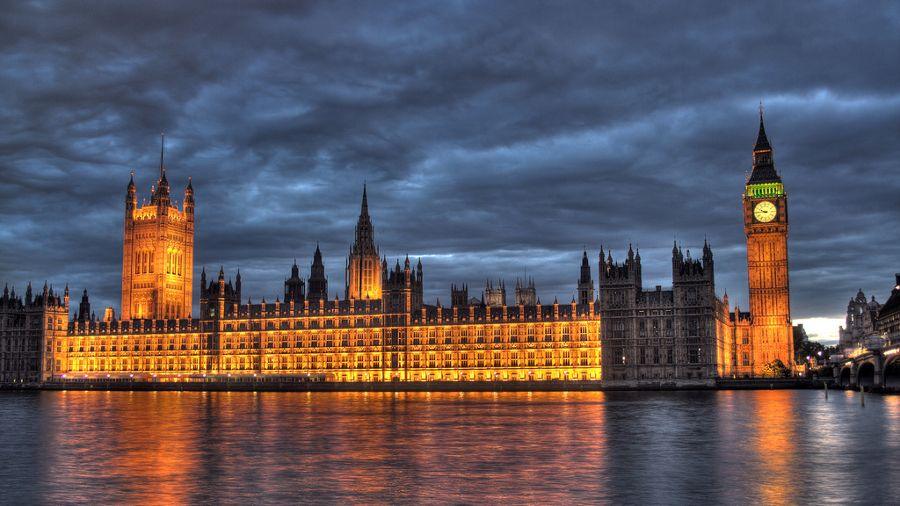
Baroness Benjamin opened a Debate in the House of Lords last week asking the government how they are working to prevent children from using privacy tools to circumvent the Online Safety Act.
In response, Liz Lloyd, science and technology minister, told peers that the government is working to address the “evidence gap” about how many children use these tools. He added that the government is committed to ensuring that any “future interventions are proportionate and evidence-based.”
This is the latest in a series of parliamentary debates that have referenced this technology amid growing frustration that the government’s landmark security legislation is being circumvented by easily accessible software.
Ofcom is monitoring VPN usage in the UK, but there is no indication a ban is imminent.
What can we learn from the debate?
The use of VPNs to circumvent the Online Safety Act has been a concern since at least 2022. However, politicians are now increasingly recognizing that the problem cannot be easily fixed.
The Bishop of Norwich, Graham Usher, acknowledged that it is “very difficult to control the use of VPNs”, while highlighting the importance of education to protect children online.
Meanwhile, Baroness Benjamin claimed that “teenagers are actively seeking and sharing methods to circumvent” the age verification process.
Peers also recognized the literacy gap between legislators and the children they legislate for.
Baroness Thornton said: “I don’t know how many noble Lords here would know how to download a VPN and then choose a country that doesn’t have age verification rules. Clearly there are teenagers who can do this.”
Given this growing awareness of VPNs and their potential to circumvent the Online Safety Act, it is no surprise that the government is once again on the defensive.
For now, ministers can only point to ongoing investigations by Ofcom, a stance unlikely to satisfy child safety campaigners such as England’s Children’s Commissioner, who urged immediate action to close the VPN loophole.
A note on the risks of free VPNs
It’s encouraging to see politicians put forward such well-informed perspectives on VPNs.
After reporting on the VPN industry since 2018, I didn’t expect to find myself nodding with life partners and high-profile religious figures. But Baroness Benjamin is right: many free VPNs can (and often do) monetize your data and leave you vulnerable to malware.
However, a distinction must be made between these dangerous “scam” applications and legitimate free services. If you are going to use a free tool, it is vital to ensure that it is from a verified provider; Our guide to the best free VPNs is a good starting point.
That said, free services will always be limited by data caps and slower speeds. For a completely unrestricted experience that ensures your privacy and security, we recommend upgrading to a premium service like NordVPN, Surfshark, or Proton VPN.
Distinguishing between apps that pose a genuine threat, such as those warned about by Baroness Benjamin, and those that work to protect digital privacy will be essential for the government to inform effective legislation.
It is also vital that they take into account ministers’ ideas for a separate debate in the House of Lords on the same day. That is, “there are legitimate reasons to use VPN.”
Hopefully the Government will take note of the informed contributions to this debate and deliver on its promise that any future legislation will be proportionate and based on reality.


