
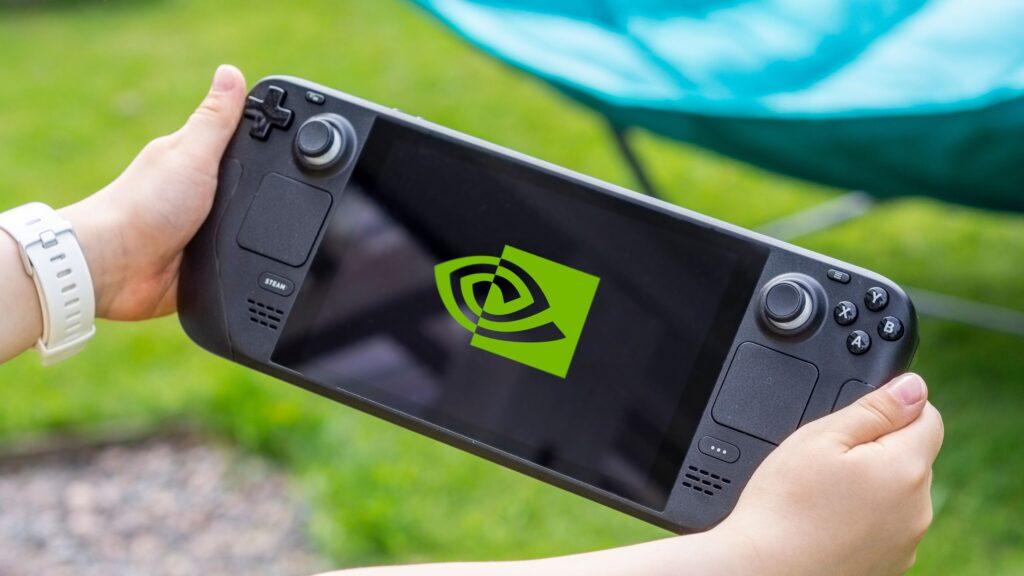
- Nvidia CEO Jensen Huang Previewed New N1X and N1 SoCs for AI Computers
- They are the product of a collaboration with Mediatek
- Nvidia may eventually use them for laptop PCs based on recent advances in laptop hardware.
While Nvidia is a leading manufacturer of GPUs for gaming desktops and laptops, it has not yet produced a chip for a laptop PC; the closest are the Nvidia Shield and Nintendo Switch 2, but that could change very soon.
As reported by VideoCardz, Nvidia CEO Jensen Huang recently discussed the N1X and N1 chips, the result of Nvidia’s system-on-a-chip collaboration with Mediatek, speaking to local media in Taiwan, hinting that they could serve as a low-power, high-performance solution for computers with AI capabilities.
While the N1X and N1 have yet to be officially revealed, we know that they are designed for AI-powered PCs, and according to multiple rumors, they are also expected to appear in high-performance gaming laptops, with possible RTX 5070 levels of performance.
The new chips could put Nvidia in direct competition with AMD and Intel, with the latter recently announcing a dedicated portable gaming platform within its new line of Panther Lake processors. And while there’s no guarantee that Nvidia will use its upcoming N1X and N1 processors for portable devices, it seems likely.
We’ve already seen AMD’s Strix Halo Ryzen AI Max+ 395 APU deliver RTX 4060 levels of performance, with the chip employed to impressive effect in GPD Win 5 and the upcoming Ayaneo Next 2, so it’s not unreasonable to imagine that these high-performance Nvidia and Mediatek SoCs could be used for portable gaming PCs.
It is no longer impossible to use such powerful hardware in portable devices, but Yeah Nvidia decides to use the N1X in portable devices, performance would be the least of my worries.
Analysis: An Nvidia-powered handheld would be very expensive

It’s important to note here that Nvidia has not suggested that the N1X or N1 will be used for portable devices, but rather that the primary use case will be in AI-enabled PCs and laptops, so this is all speculation on my part.
In a world where we see an Nvidia-powered handheld, particularly one that supposedly offers RTX 5070-level performance with DLSS 4.5 available, I would very much expect it to be a premium-priced device, and definitely higher-priced than popular handhelds like the Asus ROG Xbox Ally X and Lenovo Legion Go 2.
The RTX 5070’s performance in a portable device is already impressive enough, but DLSS on this hypothetical portable device has the potential to do the heavy lifting on its own and outperform portable devices from AMD and Intel, which use FSR and XeSS, respectively. I can say this with confidence after testing DLSS 4.5, which provides a significant improvement in image clarity over previous iterations.
I have some doubts about an Nvidia-powered laptop PC becoming a reality, as the new chips are not officially slated for such devices and would naturally require collaboration between Team Green and a manufacturer like Asus or Lenovo. But I hope it happens: the portable gaming space has been revitalized with devices like the successful Steam Deck, and Nvidia has plenty of opportunities to capitalize on this nascent market.
Follow TechRadar on Google News and add us as a preferred source to receive news, reviews and opinions from our experts in your feeds. Be sure to click the Follow button!
And of course, you can also follow TechRadar on YouTube and tiktok for news, reviews, unboxings in video form and receive regular updates from us on WhatsApp also.
The best gaming laptops for all budgets


