
‘Pakistan is among the countries most vulnerable to the adverse impacts of climate change’
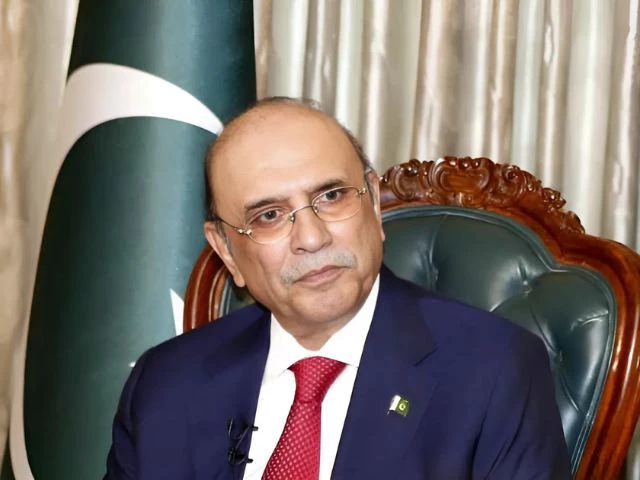
President of Pakistan, Asif Ali Zardari. PHOTO: Noticias Express/ Archive
ISLAMABAD:
President Asif Ali Zardari on Sunday said Pakistan, through its Nationally Determined Contribution and National Climate Change Policy, is committed to pursuing low-carbon development pathways while safeguarding economic growth and social well-being.
In a message marking International Clean Energy Day on January 26, the president said the day underscored the central role of clean, affordable and sustainable energy in inclusive development, energy security and the global response to climate change.
“Pakistan is among the most vulnerable countries to the adverse impacts of climate change. For this reason, the Government of Pakistan has placed the clean energy transition at the center of its climate and development agenda. In line with its commitments to the UNFCCC, as reflected in the Nationally Determined Contributions for 2025, Pakistan has set a target of 30 percent electric vehicles by 2030,” the president said in a statement, quoted by the Presidential Media Secretariat. Communication.
It noted that air pollution had become a harsh and recurring reality for its population, adding that each year the dense smog and fog caused serious traffic accidents, flight cancellations, disruptions in rail services and highway closures.
“Schools are forced to close, businesses lose valuable opportunities, and hospitals are greeted with patients struggling to breathe clean air. While air purifiers have become common in affluent homes, millions of citizens remain exposed to dangerous conditions, highlighting the profound social and economic cost of polluted air,” he said.
The President further noted that 35 per cent of Pakistan’s energy mix already comprises clean and renewable sources, adding that energy efficiency, conservation and sustainable resource management were being prioritized to advance SDG 7 and SDG 13.


