
The location of talks between Tehran and Washington to end the war has not yet been decided.
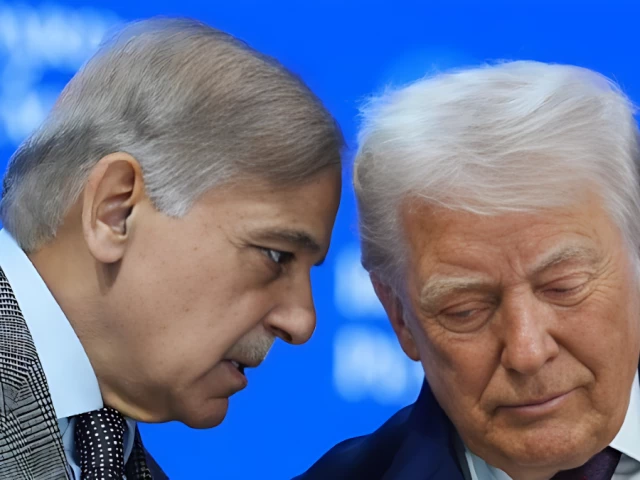
Prime Minister Shehbaz Sharif and US President Donald Trump at the “Peace Board” meeting in Davos on January 22, 2026. PHOTO:REUTERS
Pakistan has presented a US proposal to Iran, a senior Iranian source told Reuters on Wednesday, but the venue of any talks between Tehran and Washington to end the war has not yet been decided.
The source, who asked not to be identified due to the sensitivity of the matter, did not reveal details of the proposal or whether it was the United States’ 15-point framework for ending the war.
The source added that Türkiye was helping explore ways to end the war and said “Turkey or Pakistan are being considered as venues for such talks.”
Read: No negotiations have taken place between the United States and Iran.
The ongoing conflict between the United States and Iran escalated sharply following the February 28 “preemptive” strike on Iran by the United States and Israel following a series of direct military exchanges, marking one of the most dangerous confrontations between the two in years.
Tensions escalated after senior Iranian leaders were targeted, including reports of the death of Supreme Leader Ayatollah Ali Khamenei, a development that significantly raised the risk of a broader regional war.
Since then, fighting has involved missile and drone attacks, and Iranian strikes have targeted American positions and assets, causing casualties and fueling fears of further escalation. Washington has strengthened its military posture while seeking support from its allies, while Tehran has projected defiance along with a conditional opening to negotiations. In recent days, diplomatic efforts have accelerated, with backchannel contacts and proposals (including a supposed US framework for ending hostilities) being passed through intermediaries such as Pakistan and Turkey.
While a ceasefire has not been reached, attention is increasingly shifting to possible talks, amid concerns that a prolonged conflict could destabilize energy markets, disrupt key shipping routes and further inflame an already volatile Middle East.


