
ISLAMABAD:
Pakistan is quietly making preparations for a possible high-stakes meeting between the United States and Iran in the federal capital, in what could mark a major diplomatic opening aimed at ending the ongoing conflict in the Middle East, even as Tehran reportedly rejected Washington’s 15-point proposal shared through Islamabad.
An unprecedented level of secrecy surrounds the possible talks that, according to multiple international reports, US Vice President JD Vance and other senior officials could attend. The exact timing, location and participants remain variable, reflecting the sensitivity of the initiative.
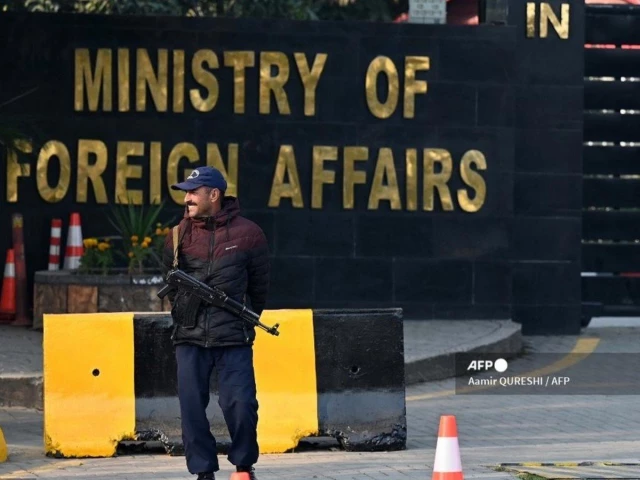
The Express PAkGazette approached relevant authorities, including the Ministry of External Affairs, but officials refused to provide details, citing the confidential nature of the matter. The veil of secrecy is so tight that even some diplomats who would normally be aware of such developments seem to be out of the loop.
“This is an extremely sensitive matter. Revealing details at this stage could undermine the very essence of quiet diplomacy,” a senior foreign ministry official told The Express PAkGazette on condition of anonymity.
Against this backdrop of growing speculation, Foreign Ministry spokesperson Tahir Andrabi urged restraint and warned the media not to spread unverified information. “Many media outlets are spreading speculation/rumors about the current conflict in the Middle East/Persian Gulf with false information about Pakistan.”
“I respectfully reiterate that diplomacy and negotiations require discretion and confidentiality. Therefore, the media is urged to refrain from speculation and wait for official announcements on any decision or outcome,” he added.
The diplomatic activity follows a series of contradictory signals from Tehran. Iran initially denied any direct or indirect engagement with Washington, but later acknowledged receiving a 15-point proposal from the United States through Pakistani intermediaries.
Two senior officials in Islamabad confirmed to AFP that the plan aimed at stopping hostilities spreading across the Gulf was conveyed to Iran through Pakistan.
Pakistan’s role as a potential mediator stems from its long-standing ties with both Tehran and Washington, as well as its strategic positioning in the region. Officials say Islamabad has been actively facilitating secondary communication between the two sides.
According to CNN, officials in US President Donald Trump’s administration are working to organize a meeting in Pakistan as soon as this weekend to explore a possible exit from the war. The report suggests that Vice President JD Vance could travel to Pakistan, along with other senior officials, although plans remain subject to change.
Sources familiar with the discussions indicate that security considerations have also given rise to alternative options, with Türkiye emerging as a possible location for talks.
While Pakistan has played a key intermediary role, regional actors like Türkiye are also engaged in parallel diplomatic efforts.
Discussions over the proposed meeting are expected to continue at the White House, underscoring the fluid and evolving nature of the diplomatic push.
For now, Islamabad remains the center of a quiet but potentially momentous effort, one that could shape the trajectory of a widening regional conflict if it materializes.


