
PM mourns over 1,900 Iranian deaths as Pakistan pressures multiple stakeholders to move towards peace talks
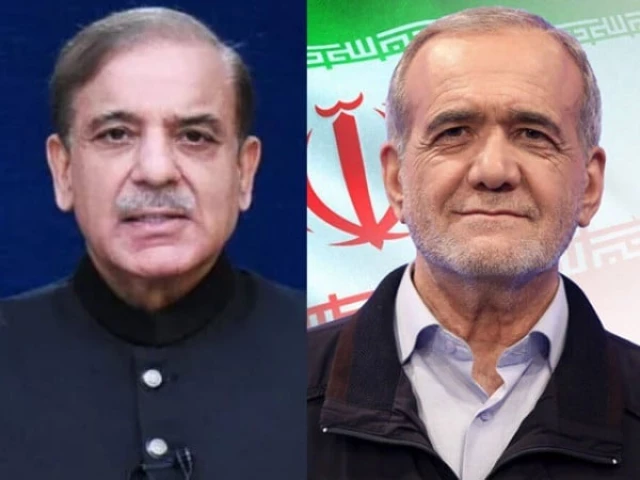
A combined image of Prime Minister Shehbaz Sharif and Iranian President Masoud Pezeshkian. PHOTOS: ARCHIVE
ISLAMABAD:
Prime Minister Shehbaz Sharif held an hour-long telephone conversation with Iranian President Masoud Pezeshkian on Saturday, as Islamabad has stepped up diplomatic efforts to reduce rising tensions in the Middle East and position itself as a key mediator.
Telephone call between the Prime Minister and the President of Iran
Prime Minister Muhammad Shehbaz Sharif today had a telephone conversation with His Excellency Dr. Masoud Pezeshkian, President of the Islamic Republic of Iran.
During their detailed conversation,…
— Government of Pakistan (@GovtofPakistan) March 28, 2026
According to a statement published in X by the Government of Pakistan, the two leaders discussed the evolving regional situation in detail, with special attention to the ongoing hostilities and prospects for peace.
Shehbaz strongly condemned “continued Israeli attacks on Iran, including recent attacks on civilian infrastructure”, reaffirming Pakistan’s solidarity and support for the Iranian people during what he described as a “challenging time”.
Shehbaz also expressed condolences for the reported loss of over 1,900 lives and prayed for the recovery of the injured and displaced.
Read: Why is Pakistan involved in efforts to stop the war in Iran?
The prime minister briefed the Iranian president on Pakistan’s current diplomatic approach, which includes engagements with the United States as well as “brotherly” Gulf and Islamic countries. The efforts, he said, aim to create an environment conducive to dialogue and eventual peace talks.
He also highlighted what Islamabad sees as growing international support for its peace initiative, expressing hope that collective efforts can help chart a viable path to ending the conflict.
President Pezeshkian, while appreciating Pakistan’s diplomatic role, shared Tehran’s perspective on the hostilities and stressed the importance of building trust as a prerequisite for meaningful negotiations. He praised Islamabad’s efforts and its supportive stance in the quest for regional peace.
The Prime Minister, in response, reaffirmed Pakistan’s commitment to play a constructive role in promoting stability and facilitating dialogue.
Read more: Pakistan offers to host Iran-US talks
In a parallel development underlining Islamabad’s growing diplomatic activity, the Ministry of External Affairs announced that the foreign ministers of Saudi Arabia, Turkey and Egypt will visit Pakistan on March 29 and 30 for consultations.
Saudi Foreign Minister Faisal bin Farhan Al Saud, Turkish Foreign Minister Hakan Fidan and Egyptian Foreign Minister Badr Abdelatty are expected to hold in-depth talks with Pakistani leaders on a range of issues, including efforts to reduce regional tensions.
According to the Ministry of External Affairs, the visiting dignitaries will also visit the Prime Minister.
The back-to-back diplomatic engagements highlight Pakistan’s emerging role at the center of efforts aimed at reducing tensions in the Middle East, as Islamabad seeks to leverage its ties with multiple stakeholders to facilitate dialogue between rival parties.


