
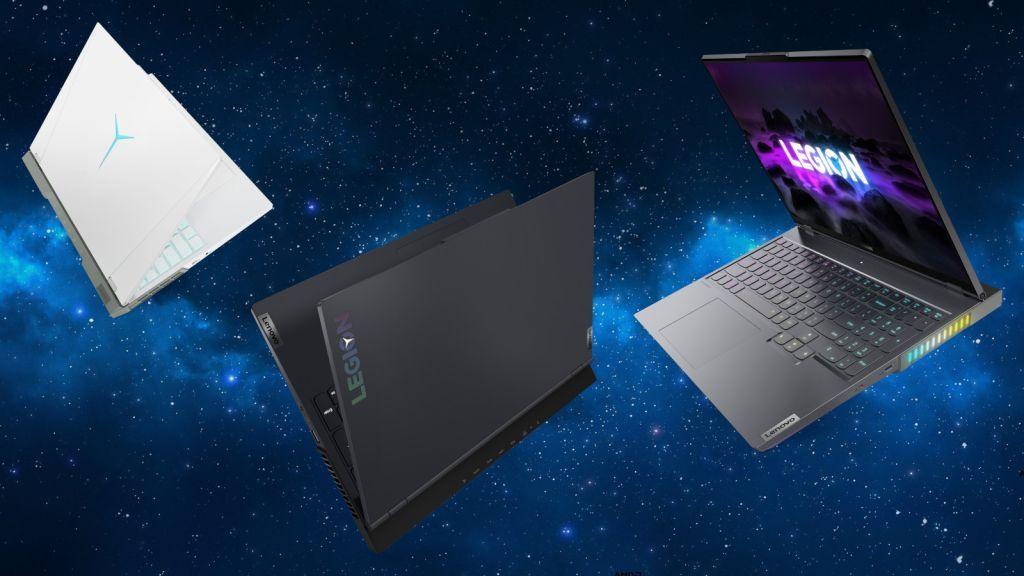
- Dell and Lenovo expected to raise PC hardware prices
- The alleged price increases are the result of increased demand for memory.
- These changes are planned for mid-December and early 2026.
Since the rise of AI has led to a trend of significant price increases for memory (specifically RAM kits) and eventually SSDs, there are plenty of reasons for PC users and gamers to be concerned, and two major brands are the latest to be affected.
As reported by TrendForce, Dell and Lenovo will reportedly increase PC hardware prices; It is said to be a 15-20% increase from mid-December for Dell and an unknown increase from early 2026 for Lenovo. This is a result of increased demand for AI server memory and issues with global supply chains, which has ultimately led to rising DRAM (and VRAM) prices.
We are already seeing similar signals from both Nvidia and AMD; Both are reportedly considering discontinuing budget graphics cards due to rising VRAM costs, and other rumors suggest that Team Red is preparing to increase the prices of its Radeon GPUs.
Dell and Lenovo are responsible for a wide variety of pre-built gaming desktops and laptops, while the latter has several gaming laptop PCs on the market. While the alleged 15-20% price increase estimate is specific to Dell, it wouldn’t be a surprise to see a very similar increase for Lenovo products.
Considering how expensive RAM kits are – some costing almost $1,000 – it’s not looking great for PC (and even console) hardware at this stage, heading into 2026.
Analysis: If you thought handhelds were too expensive, the situation will only get worse
I’ve been highly critical of manufacturers and brands that set obscene prices for portable gaming PCs, particularly Microsoft and Lenovo for the Asus ROG Xbox Ally X and Legion Go 2, respectively. If you share the same feeling, I’m afraid things will only get worse.
While SSD price increases have not yet occurred, they are expected to eventually increase at a similar rate to RAM price increases, which have already gotten out of control.
Fortunately, I haven’t yet detected a major impact of RAM on the prices of pre-built PCs or portable devices, but I’m concerned that the recommendation to push 32GB of RAM for gaming is where consumers may run into problems.
When SSD and RAM price increases are combined, it’s a duo that could lead to dark times for PC consumers. This applies to current and future laptops, as well as Valve’s Steam Machine, which many gamers are already ignoring due to suggestions of an entry-level gaming PC price, and this will only get worse with RAM complications.
At this point, the only hope of reversing these price increases will be a burst of the current AI bubble, which is seemingly affecting all regions of technology. But will that happen? At this point I don’t believe it.

The best laptops for all budgets
Follow TechRadar on Google News and add us as a preferred source to receive news, reviews and opinions from our experts in your feeds. Be sure to click the Follow button!
And of course you can also follow TechRadar on TikTok for news, reviews, unboxings in video form and receive regular updates from us on WhatsAppalso.


