
MP Sajjad Barkwal rebels against KP Assembly move, says party leadership was not consulted
PESHAWAR:
Divisions have emerged within the Pakistan Tehreek-e-Insaf (PTI) over the Khyber-Pakhtunkhwa Assembly’s recent unanimous resolution calling for the creation of a separate Hazara province.
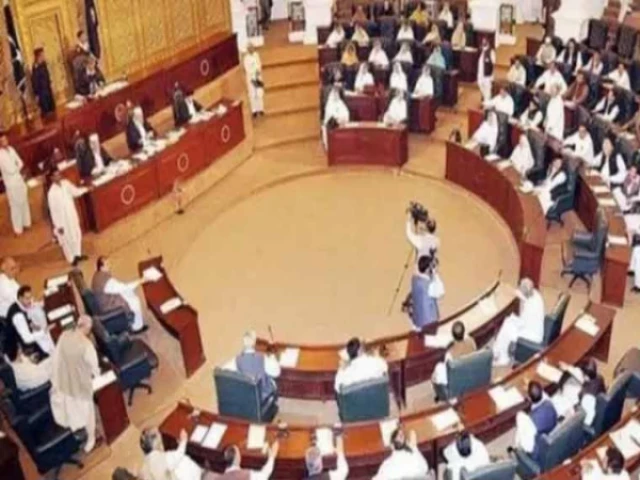
PTI MPA Sajjad Barkwal strongly opposed the move during an Assembly session, accusing party leaders of not consulting on the matter and vowing not to accept the division of the province.
In his address to the assembly, Barkwal described the proposed split of the KP as unacceptable and questioned whether confidence had been taken in party supremo Imran Khan or senior leaders. He expressed alarm at the opacity surrounding the resolution and questioned who had initiated or approved it and why assembly members like him were not aware of such a proposal in Hazara province.
Barkwal stressed that he and his like-minded colleagues would not support the resolution, highlighting concerns about the province’s integrity.
The resolution, passed unanimously in December 2025 and tabled by Nazir Ahmad Abbasi of the PTI with the support of all parties, including members of the PPP, urged the federal government to initiate constitutional amendments under Article 239 for a new Hazara province. It aimed to address long-standing demands based on cultural, historical and administrative grounds in the Hazara region.
The controversy unfolded during a larger session of the Assembly chaired by Muhammad Israr, which covered multiple issues. The discussions mainly focused on the challenges of local governments, including serious financial crises in municipal bodies (TMA). PML-N MPA Amina Sardar highlighted that thousands of employees and pensioners are not receiving their salaries due to shortage of funds, forcing families to suffer hardship. He criticized TMAs as centers of corruption when staff lack incentives.
Provincial Law Minister Aftab Alam responded that TMAs are autonomous and often manage their own salaries and pensions, and that the provincial government provides subsidies where necessary, with Rs 1.3 billion having been disbursed so far. He acknowledged embezzlement in some cases, where salary subsidies were diverted to other bosses. Alam also announced new leasing rules for shops and council properties, removing old notices and switching to market rate leasing to address low rental income.
Opposition members, including the ANP’s Arbab Usman, blamed the 2022 amendments for diluting the powers of local representatives after the 2021 elections, leading to bureaucratic dominance and development stagnation. Other points raised included delays in Public Service Commission appointments and calls for modern skills programs for women beyond traditional crafts.
The minister agreed on the need to expand women’s empowerment in the IT, nursing and modern sectors, and referred the matter to a standing committee. Issues such as expired Welfare funds, contract extensions and highway conditions were also referred to the committees for scrutiny.
The session began with the recitation of the Quran and the national anthem, with an hour of questions on women’s development, social welfare, fiscal discipline and NFC awards. While the Hazara resolution caused internal friction in the PTI, broader debates underlined the ongoing financial and governance tensions in the province’s local bodies.


