
Four joint committees to engage carriers and address regulatory and operational issues
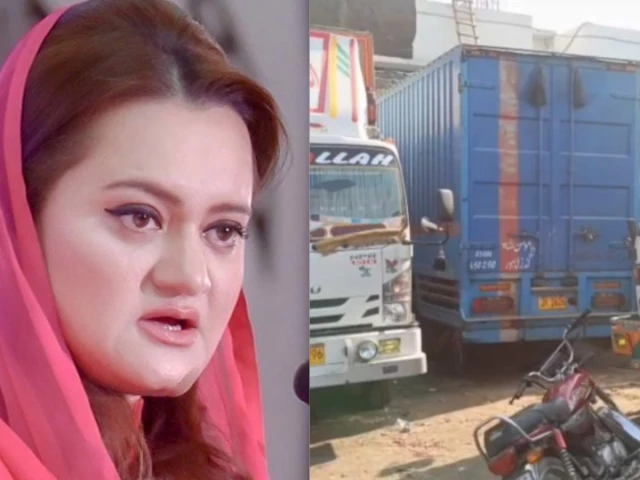
Punjab Chief Minister Maryam Aurangzeb on Thursday announced the end of the nationwide transport strike after negotiations with transporters, saying four joint committees would address the sector’s concerns.
The transporters withdrew the strike after concluding negotiations with the Punjab government, following talks between representatives of All Pakistan Transporters and Minister Maryam Aurangzeb.
The decision was made after conversations that addressed shippers’ concerns. In a joint statement, the transporters said the strike was called off after receiving assurances from the government and agreed to continue discussions through formal committees.
الحمدللہ، وزیراعظم شریف اور وزیراعلی مریم نواز کی راہنمائی اور ملک کے تمام ٹرانسپورٹرز کے تعاون سے ٹرانسپورٹ کی ملک گیر ہڑتال ختم سمیت مذاکرات کے تمام شرکاء کا شکریہ ادا کرتے ہیں۔ گڈز، منی مزدا، پبلک ٹرانسپورٹ اور سٹاف ڈیوٹی وہیکل کمیٹیوں کے ذریعے…
— Marriyum Aurangzeb (@Marriyum_A) December 18, 2025
The strike was called to demand amendments to transport laws, withdrawal of FIRs and fines against drivers and vehicle owners, and allocation of designated container space at ports. The transporters also requested clearance of stranded vehicles on the Pakistan-Afghanistan border and deployment of mobile licensing units on expressways and expressways to issue LTV and HTV driving licences.
Read: “The transporters’ strike disrupts the supply chain”
In Sindh, the strike disrupted cargo movement from Karachi Port and Qasim Port, causing a major delay in shipping containers. The All Pakistan Customs Brokers Association reported that around 25,000 import containers, including edible oil, industrial raw materials and consumer goods, were awaiting clearance, while nearly 15,000 export containers did not reach the ports. Business leaders warned that the transport disruption had put pressure on trade and industry, and that exporters faced the risk of missing shipping deadlines and suffering financial losses.
According to a statement from the government office, transporters welcomed the decision to grant industry status to the transport sector and agreed to a joint review of the Traffic Ordinance 2025. Four joint committees covering freight transport, mini-mazda transport, public transport and staff service vehicles have been formed to work with stakeholders and prepare recommendations for the sector.
The committees will operate throughout the year and review transportation-related issues in coordination with the government. Representatives of All Pakistan Transporters are expected to visit Lahore in the coming days for further consultations.
Speaking to the media after the meeting, Minister Maryam Aurangzeb said the strike had ended following negotiations and the government would continue talks to resolve the outstanding issues. He added that stagnation benefits no one and that improvement can only be achieved through compromise.
Aurangzeb said the transportation and traffic system will be developed in accordance with international best practices, with special attention to safety and operational efficiency. He pointed out that after the recent reforms, 2.1 million driving licenses have been granted, since many drivers were previously driving without a license.
Read more: Freight forwarders’ strike suffocates trade as containers pile up at ports
He described the ongoing reforms as the first phase of a larger process, adding that transport-related issues in areas like Badami Bagh and Chiniot would be addressed as a priority. Plans are also underway for a modern bus terminal and four vehicle inspection stations.
The minister said drivers would not be fined unnecessarily and confirmed that a proposal for a new transport-related plan had been approved. He added that steps are being taken to modernize the sector, including technology-based enforcement measures such as e-challan systems.
Transporters said they had conveyed their concerns to the government and expressed their willingness to continue dialogue through the newly formed committees.


