
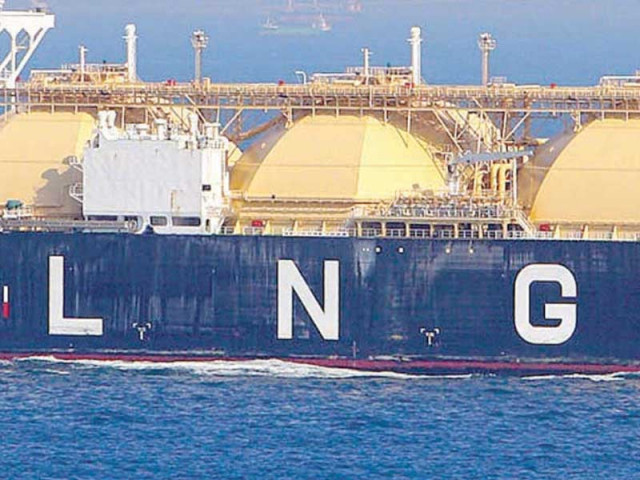
In 2026, Pakistan will import 85 cargoes of LNG from Qatar instead of the previously planned 120.
Qatar agreed to cancel excess shipments of liquefied natural gas (LNG), prompting the federal government to reopen previously closed local gas wells from January 2026. Local gas from closed fields is expected to begin flowing into the system from January.
Gas fields were previously closed to handle excess LNG cargoes. Government sources said Qatar agreed to cancel 24 LNG shipments by 2026, while the federal cabinet had previously approved the diversion of 45 LNG cargoes on December 12, citing declining domestic demand.
Petroleum Ministry sources said surplus shipments had previously forced the closure of local wells producing 200 million cubic feet per day (MMPCD). The LNG surplus was due to the electricity sector’s reduced use of imported gas, which would normally be injected into the pipeline system.
To prevent possible damage to pipelines due to unused LNG, local fields were kept offline. In 2026, Pakistan plans to import 85 cargoes of LNG from Qatar, up from 120 previously planned.
According to ministry sources, a total of 35 cargoes, including 24 from Pakistan LNG and 11 from Italian company Eni, will be cancelled, resulting in an estimated saving of Rs 20.1 billion.
Oil Ministry officials said the cancellation of excess cargoes would help meet the financial obligations of Sui companies, which total 850 billion rupees.
The gas sector’s circular debt currently stands at Rs 3.1 trillion, comprising Rs 1.7 trillion in principal and Rs 1.4 trillion in interest. The authorities have prepared a six-year plan to manage this debt.
Read: Cabinet approves diversion of 45 LNG shipments
The plan, which includes three options, will be presented to the federal cabinet for approval. The proposed measures include a Rs 5 crude oil tax and options for debt restructuring and interest relief for companies.
Reuters reported in November that Pakistan had reached a deal with Italy’s Eni to cancel 21 LNG cargoes under a long-term supply contract.
Talks with Qatar
Amid growing renewable energy generation and lower demand for industrial gas, Pakistan has taken steps to reduce its LNG purchases, resulting in a surplus of imported gas.
Eni signed a long-term LNG supply agreement with Pakistan LNG Limited in 2017 to deliver one cargo per month until 2032, retaining the option to redirect shipments elsewhere.
Sources told Reuters in November that Pakistan was also negotiating with Qatar over gas supplies from the Gulf state, including options to defer some cargoes or resell them under existing contractual arrangements.
Read more: How Flawed LNG Deals Fueled Pakistan’s Rs 2.6 Trillion Gas Sector Crisis
too much gasoline
Pakistan’s long-term LNG deals with Qatar and Eni cover approximately 120 cargoes a year, with an average of nine per month from two Qatari and one Eni contracts. LNG imports have declined this year as energy producers reduce gas consumption due to increased solar and hydroelectric power generation.
Lower gas consumption by power plants and self-generated industrial facilities has led to a surplus, leaving the system with substantial oversupply for the first time in years.
The surplus has forced Pakistan to sell discounted gas, cut domestic production and consider offshore storage or reselling surplus cargoes, government presentations seen by Reuters indicate.
Kpler data shows that Eni’s most recent cargo arrived at the GasPort terminal on January 3. Sources told Reuters that Pakistan and Eni also agreed to suspend further cargo deliveries in 2025.
Eni delivered 12 LNG cargoes to Pakistan in 2024.
With additional contributions from Reuters


