
- The price of DDR5 RAM seems to have stagnated in Germany
- This is very different from the last few months of huge price increases.
- At the same time, analyst firms are predicting significant price increases still to come, and PCs are feeling the knock-on effects: the Raspberry Pi is the latest victim.
There’s a hopeful sign that the RAM crisis might be at a standstill, but don’t read too much into this idea just yet, especially since we’re still hearing about major price increases for memory and also PCs, the latest of which is a big jump in the cost of the Raspberry Pi compact computer board.
I’ll come back to the Raspberry Pi price (marked by Tom’s Hardware) later, but first, let’s focus on the best news from the memory market. VideoCardz found that German technology site 3D Center, which monitors retail RAM prices in that country, found that DDR5 memory price increases have apparently plateaued, at least for now.
Over the last month, based on the cost of a combination of 20 separate DDR5 RAM products at German retailers, prices have only increased by a marginal 0.1% from mid-January until now.
This is a very different picture compared to the enormous progress seen in previous months.
From October to November 2025, we witnessed a 49% increase, followed by a 93% price increase on all these products until December 2025, and then a hefty 27% increase in January 2026. Although even this latest increase showed that inflation was slowing and has now stabilized in February, according to 3D Center figures.
Analysis: a welcome respite, but let’s not get carried away
We should take any such theory on how to reach a price plateau with some caution, given that this is just one report, based on a slice of the market in a single country.
Of course, one could argue that huge inflationary spikes can only persist for so long, by their very nature: consumers will stop buying (generally) if they feel that prices have become too ridiculous, which in itself will have a leveling effect in terms of supply and demand.
We’ve seen some evidence of exactly this in the stabilization of very expensive high-capacity RAM kits in recent months, which is at least a ray of hope amid all the gloomy news of big price increases.
Don’t forget, however, that more broadly, analyst firms still believe there are plenty of pricing issues ahead, with TrendForce predicting that DRAM prices are likely to rise by 50% (or a little more) in the first quarter of 2026.
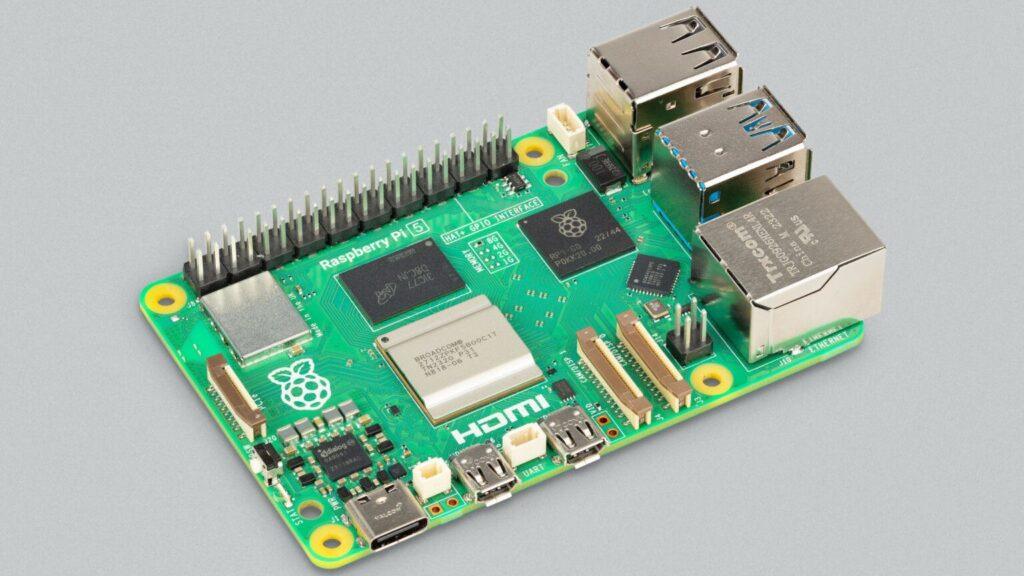
We’ve also seen the cost of RAM have a knock-on effect on several products, the latest of which is the Raspberry Pi, the compact and affordable computer board, which has become less affordable due to the cost of its system memory, at least in the top-tier models.
Recently announced price increases have affected the Raspberry Pi 4 and 5 models, which include more than 2GB of RAM. The big increases apply to high-end boards with 16GB (as you might imagine), and their price has gone up by $60, meaning the flagship Raspberry Pi 5 now costs $205.
That’s 70% more expensive than this model was at launch, so it’s not that far from double the price now, and of course it’s a long way from cheap and cheerful territory.
However, there’s not much the manufacturer can do about it if you have to pay a lot more for system RAM from the supplier.
The best computers for all budgets
Follow TechRadar on Google News and add us as a preferred source to receive news, reviews and opinions from our experts in your feeds. Be sure to click the Follow button!
And of course, you can also follow TechRadar on YouTube and tiktok for news, reviews, unboxings in video form and receive regular updates from us on WhatsApp also.


