
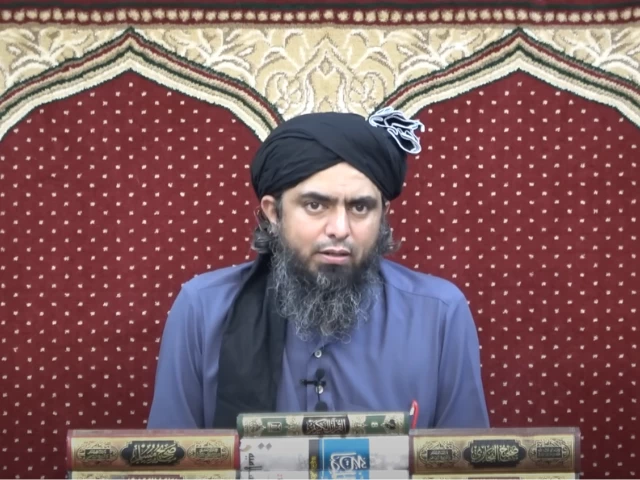
Religious scholar engineer Mirza Muhammad Ali. Photo: Archive
Engineer religious scholar Muhammad Ali Mirza, who was recently jailed in Adiala jail before being granted bail in a blasphemy case, has shared details about PTI founder Imran Khan’s conduct and daily routine behind bars.
Speaking to a private television channel, Mirza said Khan does not enjoy “palace” facilities in prison, but does have access to news from the outside world. He said the former prime minister has two newspapers and an LED television in his room, allowing him to stay updated.
Mirza said Imran Khan seemed “very frustrated” in jail, adding that such frustration was not unusual for someone who had spent nearly two years behind bars.
He said Khan had been allotted six barracks for his stay. Five were for his personal use, while the sixth was used by his assistant. According to Mirza, Khan left his barracks twice a day: once at 9 a.m. for breakfast and once at 3 p.m. for lunch.
Mirza said the attendant prepared food using desi ghee and the aroma would spread to other inmates. He also claimed that when Khan became angry, he spoke very loudly and continuously.
The comments have revived the debate over the conditions and facilities provided to the PTI founder in Adiala jail.
The revelations came after the Rawalpindi Bench of the Lahore High Court granted Mirza bail in a blasphemy case registered in Jhelum. Justice Sadaqat Ali Khan approved his bail on December 3, 2025 and ordered him to submit two sureties of Rs 500,000 each.
Mirza had challenged the probe and sought relief from the high court. After submitting bail bonds, he was released from Adiala jail in early December.
Last month, the PTI wrote to the Senate President, demanding the immediate formation of a parliamentary committee to review what it described as the “solitary confinement” and “violation of fundamental rights” of Imran Khan and his wife Bushra Bibi in Adiala Jail.
In the letter, the party said senators were constitutionally empowered to review the conditions of any detained citizen, particularly a former prime minister and an elected member of the National Assembly.


