
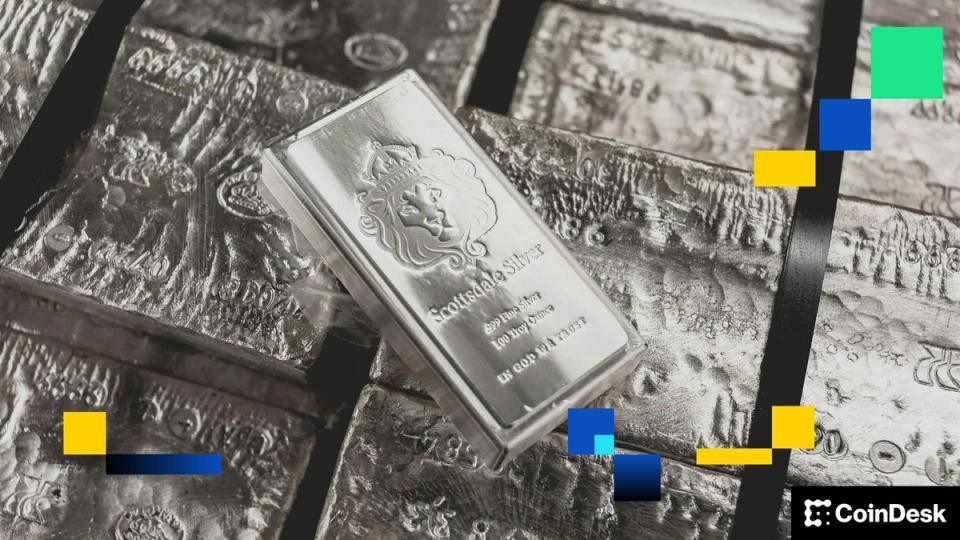
Tokenized silver futures recorded the biggest selloffs across the entire cryptocurrency market in the past 24 hours, surpassing bitcoin and ether in a rare reversal of the usual risk hierarchy as a pullback in precious metals spread to commodity-based cryptocurrency futures.
According to data from CoinGlass, 129,117 traders were liquidated in the last day, with total losses reaching $543.9 million.
Tokenized silver contracts led the decline, with approximately $142 million in liquidations linked to products that track silver prices. Bitcoin followed with around $82 million, while Ethereum earned almost $139 million.
The largest single liquidation order during the period came on Hyperliquid, where a leveraged position in XYZ:SILVER-USD worth $18.1 million was forcibly closed when prices swung wildly.
The move marks an unusual moment for cryptocurrency markets, where bitcoin and ether typically dominate settlement tables. This time, traders who used crypto rails to express macro opinions on metals were the most affected by the damage.
Silver prices have been under pressure after an extraordinary rally earlier this month gave way to sharp pullbacks.
Hedge funds and large speculators reduced bullish positions in silver to a 23-month low in the week ended Jan. 27, U.S. government data showed on Friday, reducing net long exposure by 36%.
That decline accelerated after stock markets began to cool volatility.
CME Group said it would increase margin requirements for gold and silver futures starting Monday, raising collateral demands by up to 50% for some silver contracts. Higher margins tend to force leveraged traders to add capital or exit positions, often amplifying short-term price swings.
Tokenized metals, which allow traders to gain leveraged exposure to gold, silver and copper without using traditional futures accounts, saw a flurry of activity on Friday as prices dropped. These products are traded 24 hours a day and require less initial capital, making them attractive during rapid macroeconomic changes.
Bitcoin’s presence at the bottom of the liquidation list is notable.
While BTC prices also fell during the period, the damage was milder compared to metal-linked products. Ether followed a similar pattern, with liquidations reflecting broader risk-off sentiment rather than a single dominant easing.
The moves show how crypto venues are increasingly being used as alternative avenues of macro trading. Traders not only speculate on digital assets, but express opinions on commodities, rates and currencies using tokenized instruments that mirror traditional markets.
Whether metals stabilize or continue to weaken may determine whether tokenized commodities remain the focal point or whether cryptocurrencies’ attention returns to their usual core assets.


