
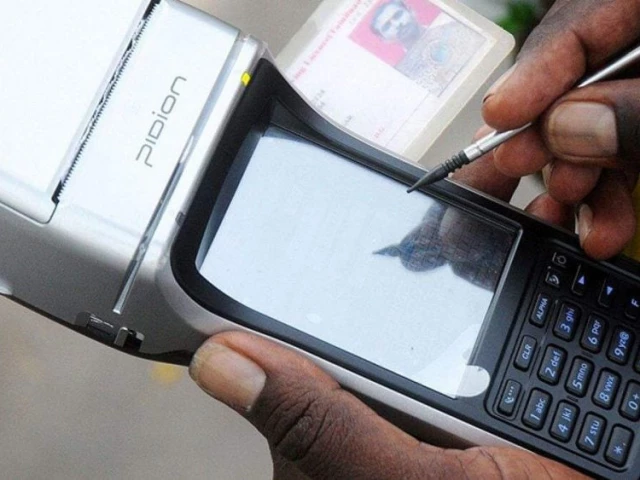
Panel to evaluate fines, compliance and transparency amid public complaints about traffic challenges
The Sindh government has constituted a high-level committee to carry out a comprehensive review of the e-challan system introduced in Karachi in 2025, officials said on Friday.
Minister of Home Affairs, Law, Parliamentary Affairs and Criminal Prosecution Ziaul Hassan Lanjar has been appointed as chairman of the committee, which also includes opposition leader Ali Khursheedi and several members of the Sindh Assembly.
Senior government officials, including Additional Chief Secretary (Home), Law Secretary and Additional Inspector General of Police (Karachi), have been appointed members of the committee. The DIG Traffic will act as secretary of the committee.
According to officials, the committee will examine the overall performance of the e-challan system and review the existing traffic fines and compliance policies.
The panel will also prepare recommendations aimed at making the system more effective, transparent and user-friendly, while ensuring fair application across the city.
Read: Government defends e-challan and plans its expansion
Officials said the review would include a complete evaluation of the e-challan framework since its implementation earlier this year.
The move comes amid growing public complaints over excessive fines, alleged errors in automated challans and concerns over transparency in traffic control procedures across Karachi. The issue has also been raised repeatedly in the Sindh Assembly.
Earlier, Lanjar said the purpose of the e-challan system was to promote road safety and traffic discipline rather than generate revenue, adding that amendments to traffic laws, including revisions to fine amounts, would be considered if recommended by the committee.
Read more: Public complaints prompt Sindh to rethink e-challans
Introduced in Karachi in 2025, the e-challan system is being implemented in phases in Hyderabad and other districts as part of the provincial government’s efforts to modernize traffic management through technology-driven monitoring and enforcement.
Officials said the committee’s findings would guide future policy decisions on traffic regulation, enforcement mechanisms and redressal of public grievances across Sindh.


