
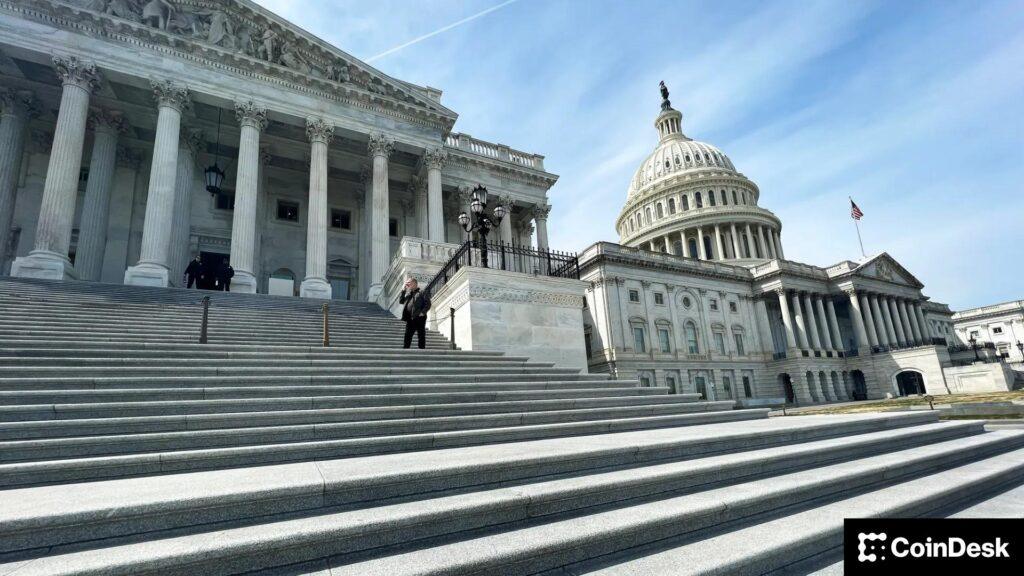
If US laws finally define how federal regulators can affect digital assets, cryptocurrencies will be easier to manage, track and transact, and more investors will likely get involved, potentially increasing the value of each token. But a lot has to happen before that is true, and the work to get legislation passed by Congress is at a complicated crossroads.
Cryptocurrency enthusiasts have long seen themselves as cutting-edge investors, eager to challenge the system and participate in something outside the box. But what lawmakers are working on now aims to put cryptocurrencies into the establishment. The distinctions between digital assets and traditional finance would become much narrower and, in some cases, disappear altogether.
Crypto platforms like Coinbase and Kraken would be registered with federal regulators, who will insist that companies follow strict rules when handling their assets. Stablecoin issuers like Circle and Tether would have to follow their own strict regulations similar to banking standards.
In the event of a sweeping new law, your crypto assets will likely be much safer from financial disasters, even though they will be much more closely monitored and managed, and you will be more likely to get help from the government when you have disputes with companies. If you are part of the smaller group that maintains its own custody and uses platforms without human management, your corner of the crypto sector would be subject to more rules intended to scare away criminals.
And if you’re used to earning a return on your cryptocurrency holdings, such as through a program like Coinbase’s USDC Rewards, there’s some uncertainty about what they’ll look like in the future, depending on how trading goes.
So where do we find ourselves with this power law?
dizzying Senate
If you follow the ins and outs of how the US government wants to treat cryptocurrencies, you’ve seen a dizzying array of headlines from the Senate lately. This legislation carries the fate of crypto activity, but is at a place in the lawmaking process that tends to rise and fall like the tides. A committee’s efforts come close to action and then fail. Efforts are intensified in another committee to take the initiative.
Congress has two chambers, the Senate and the House of Representatives, and the House has already passed its own Digital Asset Market Clarity Act with overwhelming support. But the House has not been the biggest problem for cryptocurrencies. The Senate is usually the bottleneck. And in this case, the cryptocurrency bill is going through two committees that have to approve it before it can become a US law.
Many different stakeholders have a wide range of preferences for this bill, including both political parties, the White House, the cryptocurrency industry, and Wall Street banks, who see both benefits and dangerous threats to the sector. To a regular crypto investor, many of these questions may not seem like a big deal anyway, but the results have the ability to ruin or enrich various businesses or projects, which is why the intensity is high among lobbyists and legislators in the trenches.
In the end, the law could be violated again. It happened with the Financial Innovation and Technology for the 21st Century Act (FIT21) effort in the previous session of Congress. That was the predecessor to today’s bill. But the Clarity Act has gone further than FIT21, and it is still possible that a series of agreements and compromises could be reached to achieve this.
Do
The checklist is as follows:
- Get the bill reviewed and advanced by both the Senate Banking Committee (the securities/SEC approach) and the Agriculture Committee (the commodities/CFTC approach).
- Create a unified version for the entire Senate to vote on.
- Get Senate approval (which needs at least seven Democrats, maybe more if Republicans don’t unanimously vote in favor).
- Return to the House for a final approval vote (expected to be a low hurdle).
- Head to President Donald Trump’s desk to sign.
The crypto industry has been waiting a long time for those dominoes to fall. But crossing out the last item (a White House signature) will not be the end of the process for the investor. Before all these new rules can begin to turn digital assets into a new node of the American financial system, a group of federal agencies have to investigate what Congress sends them.
There is a process for drafting regulations that can take months or even years. If you conduct your cryptocurrency business through an exchange like most investors, you will likely start to see companies comply with the expected rules even before they are finalized and formally implemented.
As an example, Trump signed the GENIUS Act governing stablecoins into law last July. The Treasury Department and its various agencies have begun publishing proposed regulations, but are still awaiting public comment. None of these proposals have been finalized yet.
In the meantime, while everyone holding cryptocurrencies waits to see what happens with the US rules, there probably won’t be much drama for most investors. Federal regulators, such as the Securities and Exchange Commission, have stopped pursuing cryptocurrency companies and are trying to cobble together an amicable deal in the absence of an act from Congress.
So the situation is likely to continue for a while longer, whether the bill passes or not, without fireworks for most people. In fact, the biggest concern for cryptocurrency investors may be how to properly file tax returns on their digital asset earnings. But that’s a different story (and one that promises to provoke another fight in Congress in the future).


