

- AI-driven memory shortages don’t just affect PCs
- More capacity is coming, but not before 2027
- Cheap, low-margin products are likely to be hardest hit
What do the best DACs, the best hi-res audio players, the best TVs, and the best sound bars have in common? All are facing component shortages and price increases, not due to tariffs, but due to AI-driven shortages of memory and storage chips. And the pain will be particularly pronounced at the more affordable end of the market, where profit margins are already razor-thin.
As you are no doubt aware, the AI industry is buying a lot of memory for its data centers: as PakGazette reported in October, one AI company alone, OpenAI, intends to order 900,000 semiconductor wafers in 2029. That’s around 40% of all global production. And there is much more demand in the industry.
As The Wall Street Journal reported this week, “The rapid buildout of infrastructure for artificial intelligence is consuming a large portion of the available supply of NAND flash memory, DRAM memory and hard drives. This has resulted in memory shortages for other markets such as PCs and smartphones.”
Audiovisual devices are not the same as PCs and typically do not require as much memory as smartphones. But they still need some memory to be able to do what they do. Everything from smart speakers to smart TVs to car entertainment systems use RAM along with their processors, and some of them also use NAND storage, because at heart they’re all just small computers; Prices for both components are skyrocketing.
We’ve already seen Samsung warn that the prices of its TVs may rise due to component shortages, while there are warnings about smartphone makers reducing their specifications for this year’s mobile phones, cutting their memory to reduce the cost of manufacturing.
And according to NPR, memory prices are expected to rise even more this year. As Avril Wu of consulting firm Trendforce told NPR, “I keep telling everyone that if you want a device, you buy it now.”
How AI could impact AVs
AI data centers don’t use the same memory chips as a DAC or high-resolution audio player: they use high-bandwidth memory (HBM), not the DDR RAM you’d find in a PC or PlayStation. But those different chips are made from the same type of semiconductor wafers, and those wafers are in increasing demand because HBM uses about three times as many of those wafers as DDR5 RAM.
They are also much more profitable to sell, and as a result, many companies are shifting focus from consumer memory chips to data center ones; So, for example, Micron, one of the big three memory manufacturers along with SK Hynix and Samsung Electronics, has closed its long-standing consumer memory business, Crucial, “to improve supply and support for our largest strategic customers in faster-growing segments.” In other words, AI.
As some manufacturers shift focus, new capacity for other types of memory is not coming in fast enough to meet demand. So, for example, in October SK Hynix announced that it “has already secured full customer demand for all of its DRAM and NAND production for next year” and that it will need to expand its production to meet market demands, but even the equipment to do Chips are expected to increase in price.
In the short term, that means higher memory prices. Much higher prices. CNBC reports that RAM prices are expected to increase “more than 50% this quarter compared to the last quarter of 2025.” And the Bloomsbury Security Intelligence Institute says that “DRAM prices have also risen 171% year-on-year, outperforming gold, while DDR5 spot prices have quadrupled since September 2025. DRAM and NAND prices doubled in a single month.”
While capacity is being added to existing production plants and new plants are being built, that capacity is not expected to come online until 2027.
This is likely to have two key impacts on the AV hardware market. The first is that we will see price increases in the future, especially in the budget segment of the market, where manufacturers can’t simply accept the increased cost: there is much less margin on a $300 smart TV than on a $3,000 one.
The second is that manufacturers can go back to the drawing board as some smartphone companies have done, limiting the specifications of their upcoming products to compensate for shortages and price increases. It may also persuade some companies to postpone their product plans entirely until market conditions are more favorable.
We’ve been here before, of course: I remember the completely fruitless search for AV receivers in stock after chip production was halted during the COVID lockdowns. At least this time we know that component shortages are coming and we can make purchasing plans accordingly.
Our selections of the best audiovisual equipment in different categories
The best televisions for all budgets
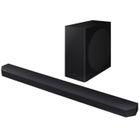
The best sound bars for all budgets
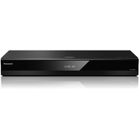
The best 4K Blu-ray players for all budgets
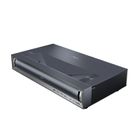
The best projectors for all budgets

The best wireless headphones for every budget

The best noise canceling headphones for all budgets

The best Bluetooth speakers for all budgets

The best music players for all budgets.

The best headphone DACs for every budget
Follow TechRadar on Google News and add us as a preferred source to receive news, reviews and opinions from our experts in your feeds. Be sure to click the Follow button!
And of course you can also follow TechRadar on TikTok for news, reviews, unboxings in video form and receive regular updates from us on WhatsApp also.


