
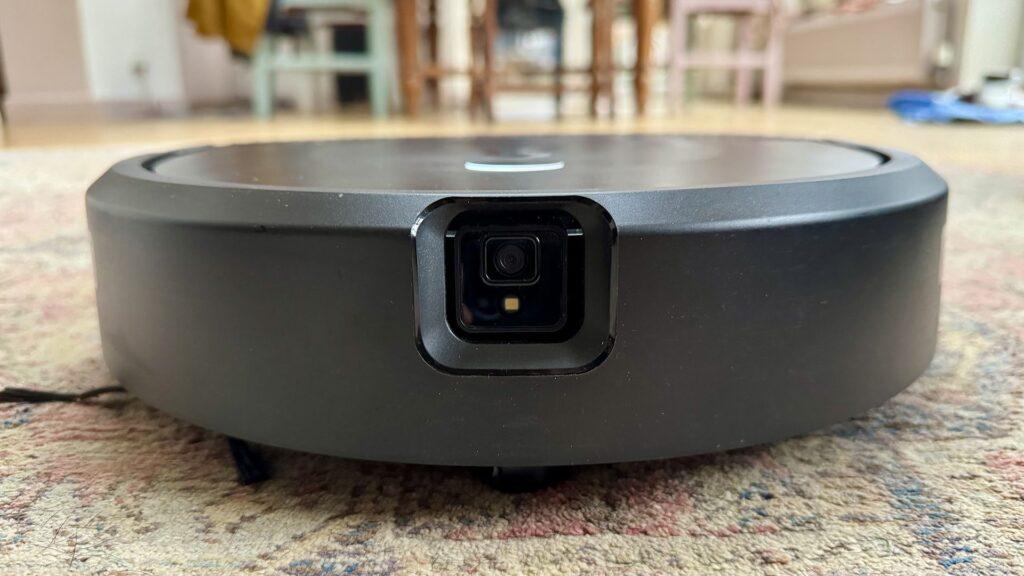
- iRobot is now wholly owned by Chinese manufacturing company Picea, following Chapter 11 bankruptcy proceedings
- A new subsidiary ‘iRobot Safe’ will be in charge of protecting the data of American consumers
- Engineering, product development, marketing, etc., will remain ‘anchored’ in the US.
In December of last year, we learned that iRobot, the parent brand behind Roomba, had filed for Chapter 11 bankruptcy and was being saved from oblivion by Chinese manufacturing company Picea Robotics. Now, that acquisition is officially complete: iRobot is now a private company and wholly owned by Picea. However, based on the press announcement, it seems that iRobot is sticking as closely as possible to its American roots.
The most notable development is that iRobot has announced a series of security measures designed to protect the data of US consumers and other countries around the world, including European data. This includes the creation of a subsidiary, ‘iRobot Safe’, which focuses exclusively on data protection and governance.
When I spoke with CEO Gary Cohen shortly after the acquisition plans were announced, he assured me that customer data would not leave the United States. It looks like iRobot is doubling down on this point as a way to reassure customers.
The announcement says: “iRobot Safe, as well as other iRobot controls, are designed to maintain a clear separation between iRobot’s non-U.S. ownership and its U.S. and other global consumer data.” The subsidiary was created as part of a broader restructuring of the company, will be “governed by an independent board of US citizens” and will be based in the US.
Another notable point is that iRobot wanted to emphasize that it would stick to its American roots. “iRobot will remain a US-based global consumer robotics company and will remain headquartered in Bedford, Massachusetts,” the press release reads. It goes on to confirm that key processes, including engineering, product development and marketing, would remain “anchored” in the United States.
Who is Picea and what does this mean for iRobot?
Picea already had a relationship with iRobot before the acquisition began: It has been on board as a contract manufacturer for a few years and took on a more involved role in the engineering testing and development process when the brand decided to completely phase out and replace its product line in March 2025. In my conversation with Cohen, he emphasized how excited he was about the expertise Picea could bring to the table.
The latest announcement doesn’t cover iRobot’s short- and long-term plans, but when the acquisition was first agreed upon, Cohen was keen to emphasize that it would be “business as usual” for existing Roomba customers, with no disruption to product or application support and no impact on warranties. He was also excited about possible long-term developments, hinting that the company was not only looking to create new robot vacuums to target specific niches, but could be moving towards developing different types of robot helpers.
Follow TechRadar on Google News and add us as a preferred source to receive news, reviews and opinions from our experts in your feeds. Be sure to click the Follow button!
And of course, you can also follow TechRadar on YouTube and tiktok for news, reviews, unboxings in video form and receive regular updates from us on WhatsApp also.


