
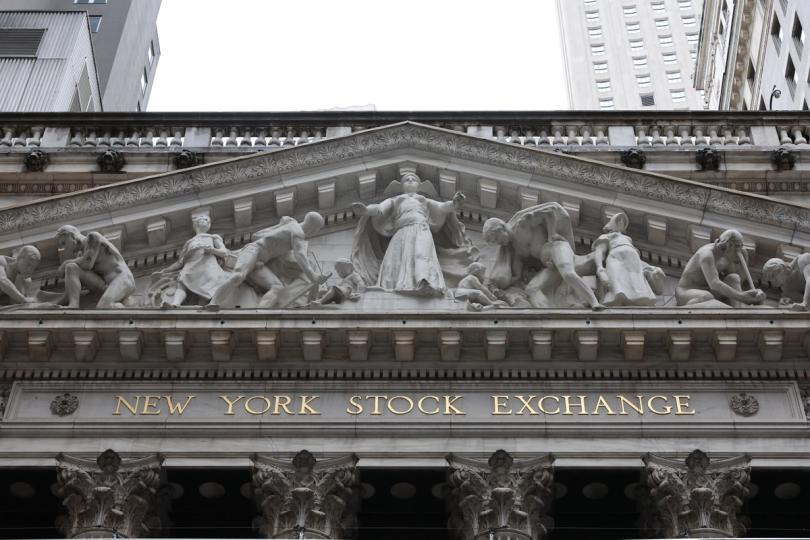
The New York Stock Exchange (NYSE) is focused on integrating blockchain technology into existing market infrastructure rather than replacing it, according to chief product officer Jon Herrick.
The exchange is “striving for interoperability” and “building on what exists,” while exploring how tokenized assets could work within current systems, Herrick said.
That approach reflects a broader stance on market developments. “You have to take into account the inherent good things of the market that has developed so far… it’s the balance of both,” he said on stage at the Digital Asset Summit in New York on Thursday, referring to the need to preserve elements such as regulation, compensation systems and investor protection.
Instead of presenting blockchain as a replacement for traditional finance, Herrick described a model in which both systems merge. “Actually, it’s not about one side being more right than the other… [they] “I think eventually we should come together.”
His comments come as exchanges, asset managers and banks test tokenization, which allows assets such as stocks and funds to be represented on blockchain systems. Proponents argue that the model could allow for faster settlement, round-the-clock trading and broader global access to markets.
The NYSE is exploring some of those uses, including real-time or near real-time settlement and extended trading hours. Intercontinental Exchange (ICE), the parent of the NYSE, earlier this month made a strategic investment in crypto exchange OKX. ICE will license OKX spot crypto prices for crypto futures products, while OKX will offer ICE futures and tokenized stocks to its customers in the US.
Still, Herrick cautioned that existing systems offer efficiencies that may not be easily replaced. Centralized clearing, for example, helps reduce risk by clearing transactions between market participants.
However, over time, the distinction between traditional and tokenized assets may fade. “Maybe in 10 years, yeah [a] “Security is tokenized or not, it shouldn’t matter,” he said.
For now, the exchange’s strategy suggests a slower, more gradual path forward, introducing blockchain technology gradually into the existing financial system rather than reshaping it overnight.


