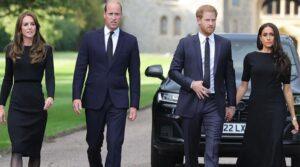
The royal family has always maintained silence on gossip about the monarchy and focuses on its mission and goals of serving its people with utmost focus.
However, the latest questions about the company’s existence may have surprised those interested.
Presenter David Dimbleby left Britons in deep thought with his compelling questions about the role of the monarchy in the modern era.
He discussed the role and power of the sovereign in new bbc series What is the Monarchy for?
The royal family has always tried to approach things with gestures rather than engaging directly in debate, but the questions seem too difficult to answer in words.
The existence of the company as its main objective is often debated. However, people believe that the monarchy symbolizes national identity and unity. Promotes cultural heritage and tradition.
The royals also support public and charitable commitments and encourage tourism and economic benefits.
They are also called a unifying figure of the nation and have a ceremonial role in government as a symbol of continuity and stability.
He question time The presenter has spent much of his career commenting on the royal family, but for the last two years he has dedicated his time to making this three-part documentary focused on the monarchy.
He even asked: “What role does our unelected head of state have?”
Those loyal to the monarch may also be avoiding the question because they want them to continue in the same spirit.
However, the late Queen Elizabeth II herself said: “No institution should expect to be free from the scrutiny of those who give it their loyalty and support, let alone those who do not.”
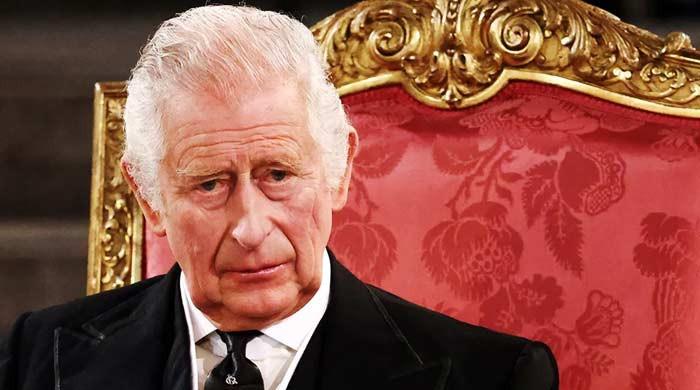
Dimbleby asks what real tangible power the monarch has over the government and explores cases, such as the time Charles’s private letters to government ministers and Prime Minister Tony Blair were made public, to demonstrate whether, in fact, the then Prince of Wales was lobbying politicians.
Dimbleby notes: “Charles may not have been able to influence government policy, but he was determined to do so if he could.”
The presenter went on to say that it would be naïve to think that a Prime Minister’s weekly audiences with the monarch would have no effect or influence on government policy.