
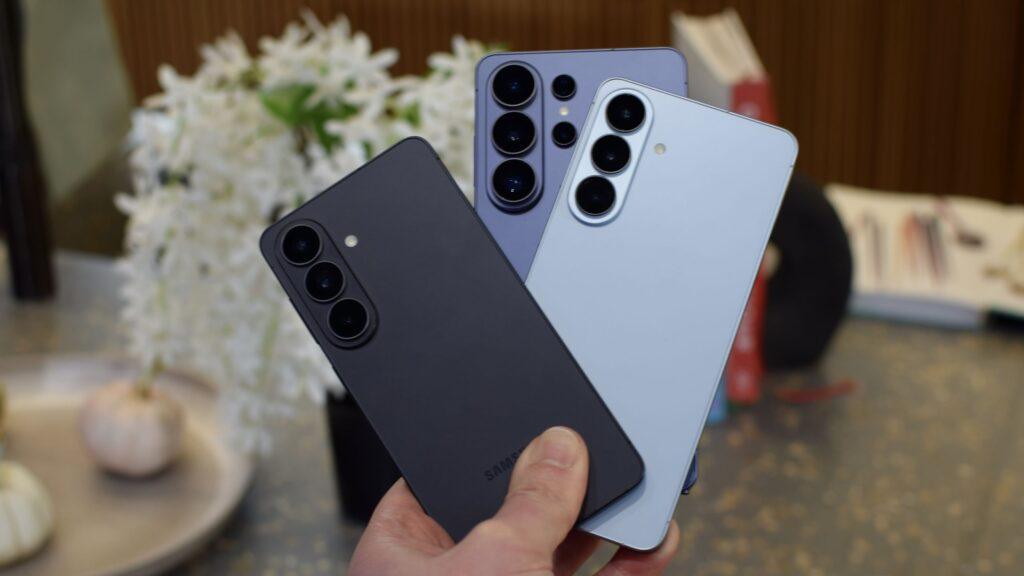
- Samsung is “investigating” the potential of Vibe encryption on its phones
- This follows their Unpacked where they debuted the S26 series “AI phones”
- Samsung made no direct promises, but sees the appeal of users coding and customizing their own apps and UX.
Samsung recently introduced the Galaxy S26 series of phones and made sure not to call them smartphones – they’re now “AI phones.” This was certainly true as most of the device updates focused on AI software, such as the new Now Nudge and expanded Audio Eraser tools, and the biggest hardware increase for the base models came through 39% improved NPU processing (the processor in charge of AI tasks on the device).
It also teased the debut of Perplexity on its phones, joining it as an alternative to the Gemini assistant, and teased the possibility of other AI models receiving the same treatment in the future. But one AI feature I didn’t hear mentioned even once, despite it being the current hot topic in the AI space, was vibration encoding, and when I asked Samsung if this feature could appear on its phones, Won-Joon Choi (Samsung’s head of mobile experience) told me it’s “something we’re looking into.”
As Won-Joon Choi noted, the usefulness of vibration coding on smartphones is that it opens up the “possibility of customizing your smartphone experience in new ways, not just your apps but also your UX.”
He added: “Right now we are limited to pre-built tools, but with vibration keying, users can tweak their favorite apps or make something custom to their needs. So vibration keying is very interesting and something we are investigating.”
What is vibration coding?
Coding Vibe is the coding version of getting an AI to help you write, create an image, or complete any other task. You say what you want to create (I’d create one that lets me watch regular YouTube videos but blocks short ones) and the AI will code it for you.
It is not new in the world of AI. Coding assistance was one of the first uses of modern LLMs, but recently dedicated vibration coding models have appeared on the scene. Just as the latest versions of AI image and video tools have taken a big step forward, these encoding tools have too.
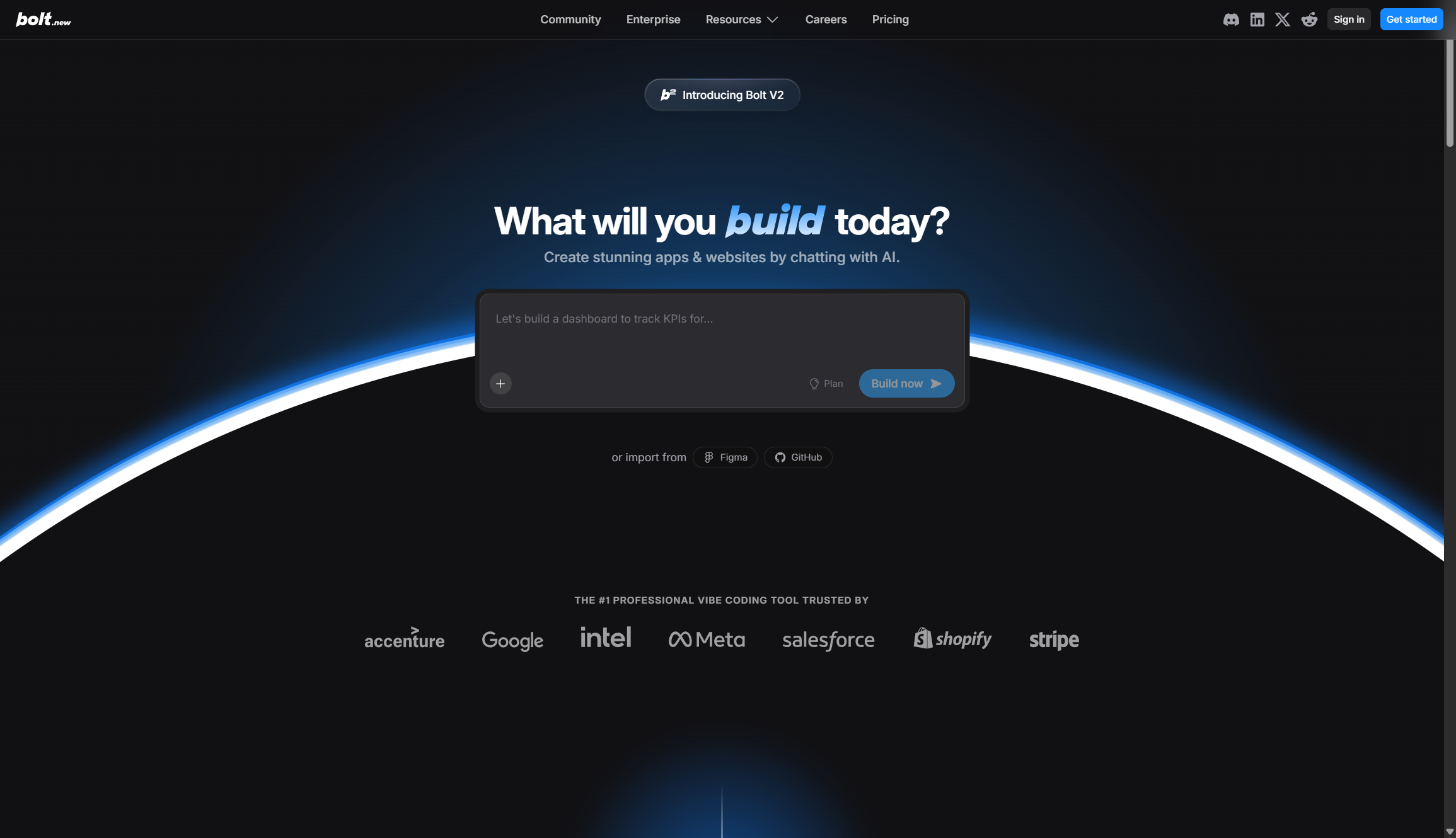
Rather than simply serving as a second pair of eyes or an assistant to prepare some basic components that an experienced coder would need to assemble, jitter coding software can help almost any beginner create applications that work.
Given the open nature of Android – something I had just heard Won-Joon Choi and Samsung CMO Benjamin Braun celebrate on a panel after Unpacked – it’s very easy for users to install their own apps on their device compared to, say, Apple systems, which are more locked down. As such, a built-in vibration encoding tool seems like a no-brainer for Samsung.
Samsung seemed to agree, although, unsurprisingly, it didn’t commit to definitively saying when or even if this feature will one day be integrated directly into its devices in some way.
That said, the idea at least seemed to interest Samsung’s head of mobile experience, and given the excitement around coding in the coding space, I’m not surprised by his response. We’ll have to wait and see what Samsung has up its sleeve, but maybe this AI phone could be more exciting than I first thought.
Follow TechRadar on Google News and add us as a preferred source to receive news, reviews and opinions from our experts in your feeds. Be sure to click the Follow button!
And of course, you can also follow TechRadar on YouTube and tiktok for news, reviews, unboxings in video form and receive regular updates from us on WhatsApp also.


