
ISLAMABAD:
Pakistan has reiterated that it does not seek hostility with Afghanistan, but has made clear that any significant improvement in bilateral relations depends on Kabul providing concrete, verifiable, written assurances that its territory will not be used for terrorism against Pakistan.
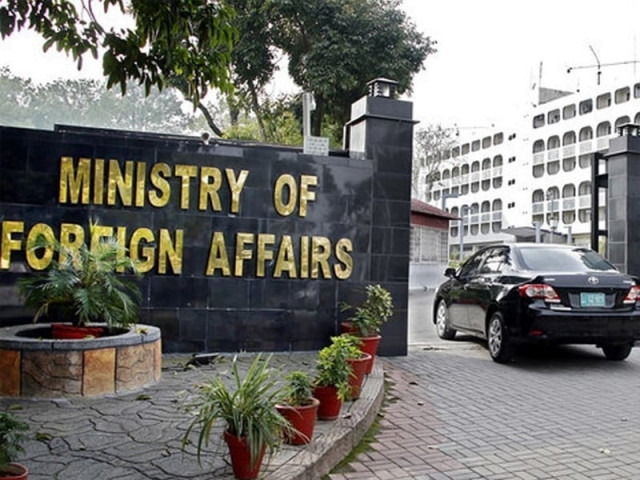
The position was expressed on Thursday during the weekly press briefing at the Ministry of Foreign Affairs, where spokesperson Tahir Andrabi stressed that Islamabad’s concerns with Afghanistan focus strictly on security and are not rooted in political or ideological differences.
“Pakistan does not wish to be hostile to Afghanistan,” said the spokesperson, emphasizing that Kabul’s only demand is the fulfillment of its basic responsibility as a State: to prevent terrorist groups and individuals from using Afghan soil to carry out attacks in Pakistan.
He said Pakistan had no bilateral disputes with Afghanistan comparable to those it faces with India, adding that once the issue of terrorism is addressed through credible assurances and demonstrable actions, there is “tremendous potential” for cooperation in trade, connectivity and regional integration.
Andrabi said Pakistan welcomed recent positive statements from Kabul but could not rely on rhetoric alone. “Statements must be backed by concrete, verifiable and written assurances,” he said, adding that the absence of such commitments explained Islamabad’s continued caution despite its willingness to engage bilaterally and through trilateral mechanisms, involving China.
He confirmed that diplomatic channels with Kabul remain open, with embassies and consulates functioning normally, and said Pakistan continued to positively engage Afghanistan in regional forums, including the China-Afghanistan-Pakistan trilateral dialogue.
On defense cooperation with Saudi Arabia, the spokesperson played down reports suggesting that Pakistan was in talks to convert Saudi loans into a deal involving JF-17 Thunder fighter jets.
“Pakistan and Saudi Arabia have a strong and multifaceted relationship, including in defense,” Andrabi said, but added that he was not aware of any specific agreement on the sale of aircraft or the adjustment of financial obligations.
Any such development, he said, will be confirmed once it materializes. Andrabi also said he had no information about any commitment by Pakistan to deploy additional troops to Saudi Arabia, despite the evolving security situation in the region.
The spokesperson strongly refuted the allegations of India’s Foreign Minister that Pakistan operated terrorist training centers in urban areas. Andrabi rejected the remarks as “irresponsible and misleading” and accused New Delhi of trying to divert attention from its own record.
He said India’s statements were aimed at obscuring recently surfaced documentary evidence suggesting that New Delhi had sought third-party intervention to secure a ceasefire with Pakistan during the May conflict. “No amount of grandstanding can obscure the counter-terrorism narrative fabricated by India,” he added.
The spokesperson accused India of acting as a “serial disturber of peace”, citing alleged extrajudicial killings abroad, interference in the internal affairs of neighboring states and involvement in terrorism within Pakistan. He also referred to the Kulbhushan Jadhav case and accused India of providing shelter to wanted criminals.
In Jammu and Kashmir, Andrabi reiterated Pakistan’s support for the Kashmiri people’s right to self-determination, commemorating the recent celebration of the Right to Self-Determination Day. He described India’s continued control of the region as an “illegal occupation” characterized by repression, mass detentions and systematic violations of human rights.
He strongly criticized India’s unilateral actions on August 5, 2019, calling them an attempt at demographic engineering designed to disenfranchise Kashmiris in violation of international law. Pakistan, he said, will continue to raise the issue at international forums and provide moral, political and diplomatic support to the Kashmir cause.
Answering questions on regional diplomacy, Andrabi highlighted Deputy Prime Minister and Foreign Minister Ishaq Dar’s recent visit to China where both sides reaffirmed mutual support on core interests and agreed to upgrade the China-Pakistan Economic Corridor (CPEC) to version 2.0.
He said China had recognized Pakistan’s sacrifices in the fight against terrorism and reiterated its support for Islamabad’s sovereignty and territorial integrity, while both countries called for visible action against terrorist groups operating from Afghan soil.
The spokesperson also addressed Pakistan’s concerns regarding India’s reported actions affecting rivers governed by the Indus Waters Treaty (IWT), reiterating that the treaty remains a binding international instrument without any provision for unilateral suspension. Pakistan, he said, will continue to denounce any violations through diplomatic channels and in relevant international forums.


