
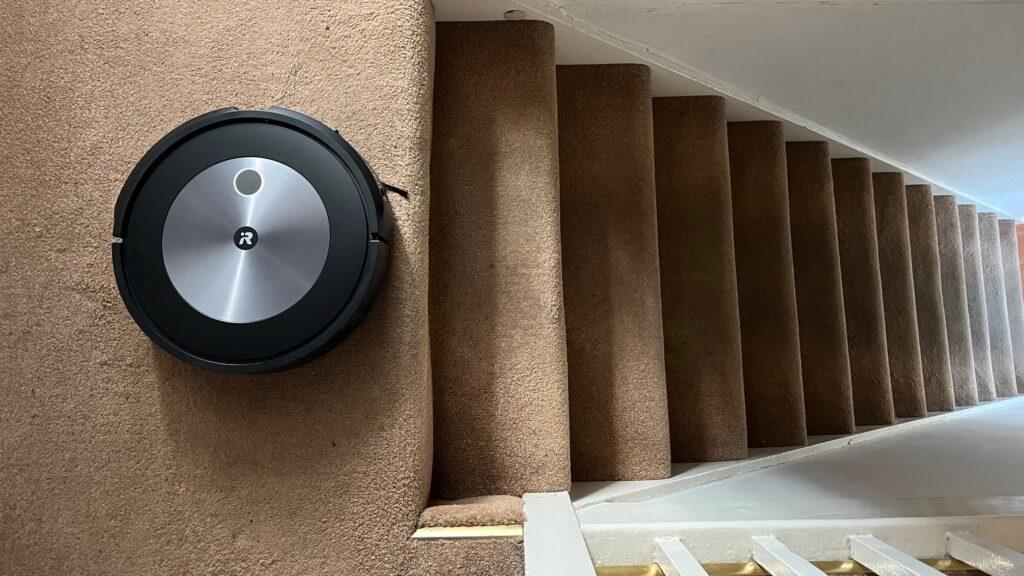
iRobot’s Roomba was once the biggest name in robot vacuums, so big that some still use it synonymously with the entire product category. So what happened to the company that caused it to fall from its privileged position to the point of being forced to declare bankruptcy, saved from oblivion thanks to an acquisition by the Chinese manufacturer Picea?
An expensive approach
iRobot co-founder and former CEO Colin Angle called the Picea acquisition “deeply disappointing” and “avoidable,” blaming the collapse of a potential Amazon acquisition, which was rejected by regulators, for the position iRobot ultimately found itself in (you can read his statement to TechRadar here).
Cohen, however, feels that the problems began long before that acquisition was even on the horizon.
My predecessor’s vision of connected homes and camera-based vision technology was great, but we couldn’t execute it.
Gary Cohen, CEO of iRobot
“The Amazon deal was a big setback for the company, but there were many years of problems that led to the situation we’re in, and it’s important to highlight them without denigrating the previous team,” he told me. “My predecessor was a visionary, brilliant and […] Their vision for connected homes and camera-based vision technology was great, but we couldn’t execute it.
“When I joined in May 2024, it was clear to me and some of the people I had assigned to help me do this restructuring that we needed to change the way we did business,” Cohen told me.
Cohen recalls how he inherited high fixed-cost contracts and “over-engineered” products. He explains that at the time all tooling, engineering and purchasing was done in the U.S., and only final manufacturing was done overseas. It was a very expensive process.
The bold decision was made to eliminate the entire legacy product line and replace it, and under Cohen the company also adopted a more integrated (and profitable) relationship with its manufacturer, which at the time was the same Picea Robotics that now owns iRobot.
In the previous model, the contract manufacturer was basically thrown in at the end to be the “screwdriver” who finished putting the product together. The new approach saw iRobot define the specifications it wanted, but Picea became more involved in “engineering development, tooling, purchasing and even testing.”
It wasn’t enough to prevent iRobot from being sold, but it put the company on a more profitable trajectory and saw it establish a close working relationship with Picea.
High cost, low satisfaction.
High costs were only part of the problem. “We were not competitive in the market,” Cohen continues. “Our production costs were too high. The products were difficult to manufacture, but, more importantly, we were not delighting consumers.”
iRobot missed a market opportunity because it was not close enough to the consumer or did not bother to listen to them.
Gary Cohen, CEO of iRobot
Cohen says that if he had been involved with the company at an earlier time, he would have prioritized customers’ needs. “At the time when iRobot was facing some of its competitive challenges, I would have taken the competition more seriously and established a consumer framework model,” he tells me.
“For example, consumers wanted these combinations of mops and vacuum cleaners. The iRobot team at the time said, ‘No, we’re going to develop the best mop and the best vacuum cleaner.’ Which was great from a technical standpoint, but consumers weren’t carried away. So [iRobot] “They missed an opportunity in the market because they weren’t close enough to the consumer or didn’t bother to listen to them.”
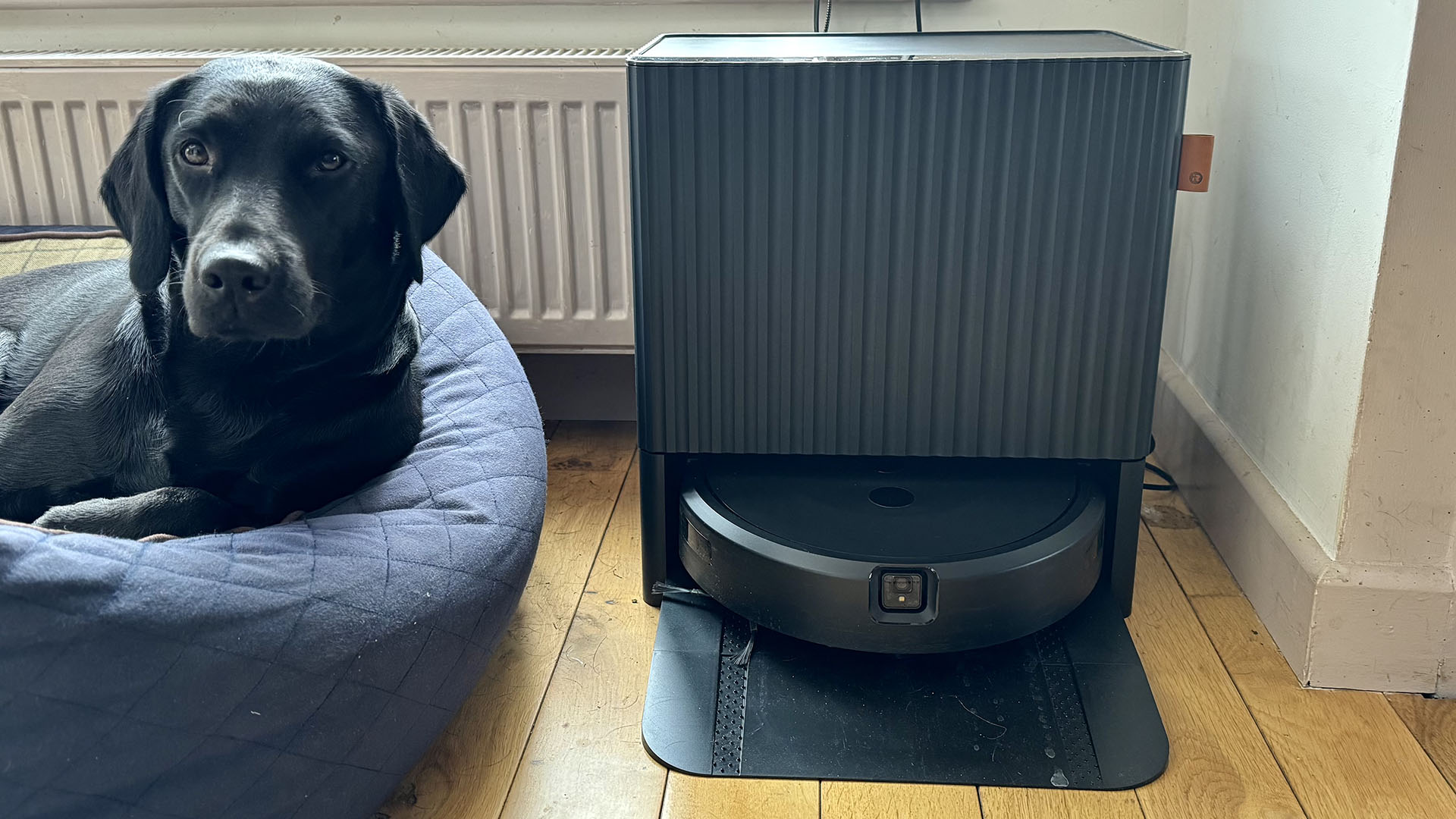
iRobot was also behind the curve when it came to developing a multifunctional base, one that not only emptied the robot’s small onboard trash bin, but could also do things like refill its water tank and even wash and dry its mops. It launched its first attempt in 2024, the Roomba Combo 10 Max, but by Cohen’s own admission, “it was not the best product or the most competitive.”
“So [at that time] We are losing market share in Europe because we do not participate. And those are all strategic decisions that were made several years ago.”
Tariff agitation
Of course, external factors also played a role. Cohen had been trying to sell iRobot in the first half of 2025, but big changes in U.S. tariff policy created too much uncertainty for potential buyers.
“It really narrowed our options portfolio, because there were a lot of companies interested in us that had tariff exposure and said, ‘Well, this is too much uncertainty. We can’t buy a company right now,'” Cohen recalls. “We finally got a company that was really interested in buying us, but they couldn’t come to an agreement with our main lender at the time, which was Carlyle. And that deal fell through in October.”
Cohen had to pivot quickly to try to save the company. “Chapter seven [liquidation bankruptcy] “It wasn’t something I really wanted to happen,” he told me. “I had too much invested in the company and the employees, so we went to Picea and asked, would you be interested in buying the company? And that’s how it came to fruition.”
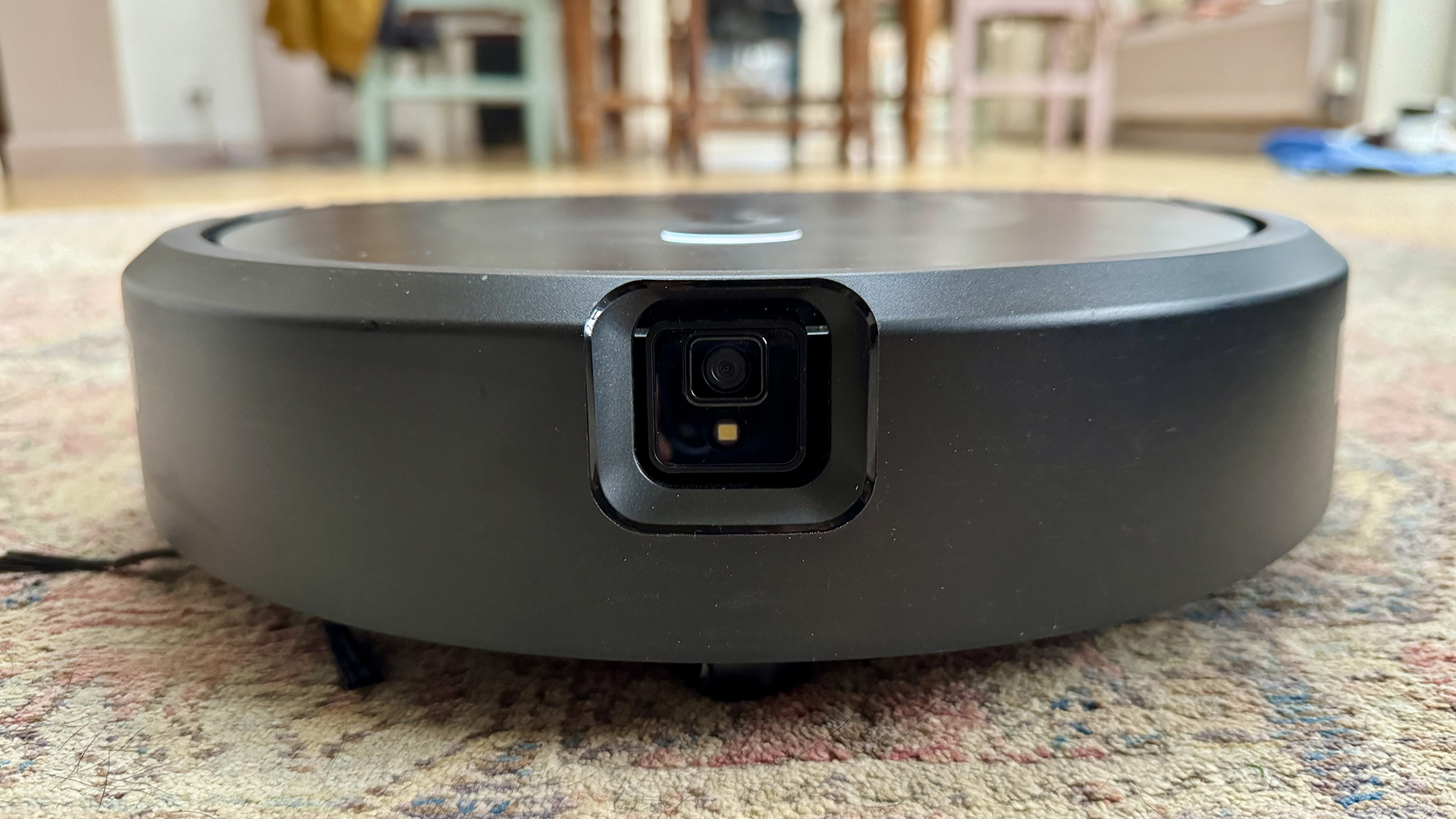
So what does the future look like now under Picea? In terms of immediate effects, Cohen says it’s business as usual, and previously developed products are already being showcased to European retailers, for launch in spring 2026.
In the long term, he feels confident this will change things, with a new consumer-centric approach focusing on making robotic vacuum cleaners accessible to a wider audience. We will be watching with interest.
The best robot vacuum cleaners
Follow TechRadar on Google News and add us as a preferred source to receive news, reviews and opinions from our experts in your feeds. Be sure to click the Follow button!
And of course you can also follow TechRadar on TikTok for news, reviews, unboxings in video form and receive regular updates from us on WhatsApp also.


