
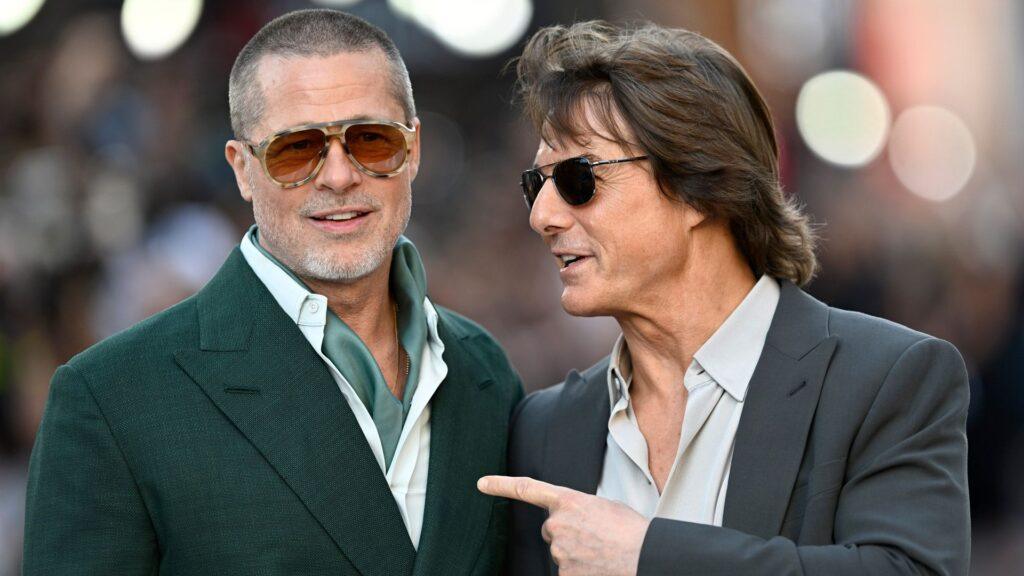
- There is a viral AI video of Tom Cruise fighting with Brad Pitt
- It has caused concern on social media.
- SAG/AFTRA is outraged
Seedance 2.0, the latest generative AI video platform to make waves, is now attracting the wrong attention. The platform, which comes courtesy of TikTok’s former parent ByteDance, can, with limited guidance, create strikingly realistic audio and video, including a new clip showing A-list actors Tom Cruise and Brad Pitt fighting on the ruins of a city bridge.
It’s not real. Cruise and Pitt shared the screen for the last time in 1994 Interview with the vampire and since then they have gone their separate ways (Pitt: bullet train and the Oceans movies; Cruise: many Mission: Impossible Movies).
However, the quality is so good that the short clip, which was posted on
The video gained more traction when Deadpool writer and producer Rhett Reese shared it with, “I hate to say it. It’s probably over for us.”
I hate to say it. It’s probably over for us. https://t.co/248PmWnEgrFebruary 11, 2026
The film industry, including those who represent actors, does not take this lying down. The Motion Picture Association (MPA) said Thursday, according to Variety: “In a single day, Chinese artificial intelligence service Seedance 2.0 has engaged in unauthorized use of U.S. copyrighted works on a large scale.”
And in a statement to TechRadar, SAG/AFTRA was equally outraged, echoing the MPA: “SAG-AFTRA stands with the studios in condemning the blatant infringement enabled by Bytedance’s new Seedance 2.0 AI video model. The infringement includes the unauthorized use of our members’ voices and likenesses.”
The organization, which represents 160,000 actors, voice talent, dancers, presenters, recording artists, stunt people and other creative professionals, added: “This is unacceptable and undermines the ability of human talent to earn a living. Seedance 2.0 ignores the law, ethics, industry standards and basic principles of consent. Responsible development of AI requires accountability, and that doesn’t exist here.”
What would Tom do?
Since ByteDance is a Chinese company, US-based MPA and SAG/AFTRA may have little influence here. However, things may be different for those in the US who use Seedance 2.0 and publish the infringing result on platforms accessible in the US.
Certainly, some saw it coming. When I spoke with SAG/AFTRA president Sean Astin last month at CES, he expressed real concerns about the future, “[When] “There are new levels of functionality, a realism in the type of open products that are available to the public… that really pose an existential threat to our organization or even an uncertain threat; we have to react, understand and continue to move forward,” he said.
Now, it seems like the threat is at their doorstep, and it’s unclear if there’s much the film industry and supporting actors and other creators can do about it beyond, perhaps, more aggressively licensing images to these generative platforms to at least ensure that when their images are used, someone gets paid.
However, it is more than a simple resemblance.
Video quality, including audio, location, scenery, and fight choreography, is typically managed by humans, who are often protected by their unions. AI creates without the need to hire people or consult with unions.
If there is a plus, Seedance 2.0 and tools like it are clearly good enough to take cinematic ideas and turn them into reality without the need for deep pockets or experience. It could lower the bar for creativity and entry into the movie business. But that’s unlikely to happen as long as people continue to use these tools to infringe the intellectual property and images of celebrities.
Follow TechRadar on Google News and add us as a preferred source to receive news, reviews and opinions from our experts in your feeds. Be sure to click the Follow button!
And of course, you can also follow TechRadar on YouTube and tiktok for news, reviews, unboxings in video form and receive regular updates from us on WhatsApp also.


