
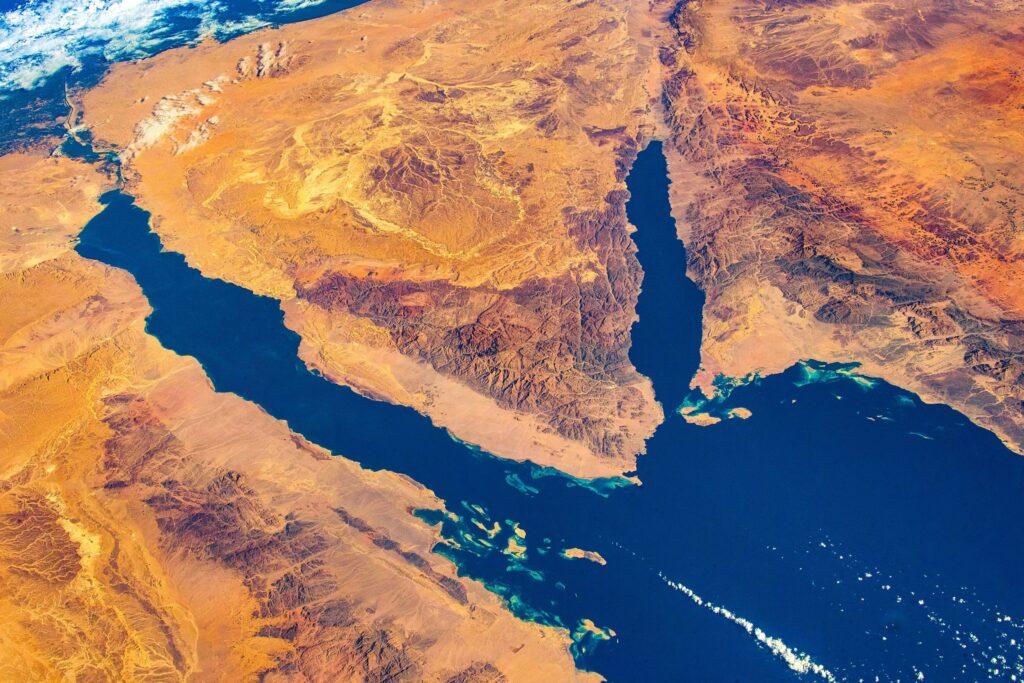
- Hostilities in the Middle East delayed a Meta cable laying project
- Connectivity in the Red Sea and the Persian Gulf is suspended
- It is not the first time that the conflict in the region delays the project
Meta’s undersea cable project designed to provide “high-speed, affordable Internet” to Africa, Europe and Asia has been put on hold due to hostilities in the Middle East, a Bloomberg the report says, citing people familiar with the matter.
Alcatel Submarine Networks (ASN), which has been contracted to lay cables on behalf of Meta’s 2Africa project, can no longer safely operate in the region.
ASN sent a force majeure notice to customers, stating that it could not continue to work safely in the Red Sea.
Article continues below.
The Red Sea bottleneck
This is not the first setback the project has faced. The Red Sea stretch has been delayed several times since the project began five years ago. Laying and repairing cables in the Red Sea has been forced to stop on multiple occasions due to military activity attributed to the Iranian-backed Houthis, most recently in November 2025.
Much of the project’s 45,000-kilometer (28,000-mile) undersea cable has already been laid, although the Persian Gulf section, known as the “Pearls,” and a segment of the southern Red Sea have yet to be completed.
More than 95% of the world’s Internet traffic travels over undersea cables and, when completed, the 2Africa undersea cabling project will be the largest system of its kind. The project aims to bring Internet connectivity to 3 billion people in Africa, Europe and Asia.
When the US-Israel conflict with Iran ends, the project will likely face further delays as new contracts are awarded and new terrain surveys are conducted to safely run cables in areas where unexploded ordnance may have fallen.
Areas that have historically been underserved by high-speed Internet will likely experience further delays in their connectivity. Specific areas of the Red Sea may also suffer economic losses. The core 2Africa project is expected to contribute $36.9 billion to Africa’s GDP in the first two to three years of operation.
Frequent delays to Red Sea cable-laying projects have forced multiple projects to consider more expensive and construction-intensive land routes that avoid the Red Sea, including routes through Bahrain and Saudi Arabia.

The best cloud storage for every budget


