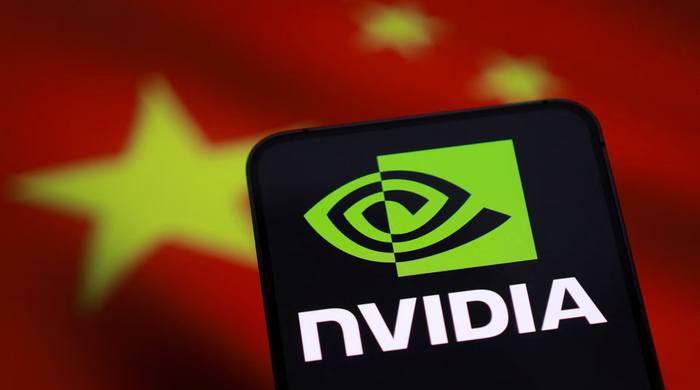
While the recent chip ban reportedly ignited the growth engine of Chinese AI chip makers, US President Donald Trump revoked a ban on the sale of Nvidia’s advanced AI chips to China.
Although based on a condition requiring Nvidia to pay 15% of its Chinese revenue to the US government, the rollback allows Nvidia to continue selling its high-end H200 chips to Beijing.
Following the lifting of the US ban on Nvidia chips for China, reports began circulating online suggesting that the latter country had ordered its technology companies to suspend purchases of Nvidia chips intended for the Chinese market.
Applauding Trump’s decision, Nvidia said reviving Nvidia chips in China would allow the U.S. chip industry to compete globally and foster high-paying jobs in the U.S. bbc reported.
The H200 chip, although a generation behind Nvidia’s most advanced Blackwell chip, is still a pioneer in the AI semiconductor space.
Nvidia CEO Jensen Huang stressed the importance of global access to technology, including for China, and warned that the country is advancing rapidly in chip development.
In a statement, Nvidia said that providing H200 chips to approved commercial customers, vetted by the Commerce Department, means a balanced approach that benefits the US.
While Nvidia shares saw a slight rise following the announcement, concerns about the national security implications remain intact. American experts warn that easier access to advanced chips could improve China’s military capabilities, particularly in artificial intelligence applications.
Analysts suggested this move would “buy time” for negotiations between the United States and China over rare earth minerals, which are crucial for the production of electronics, as China increasingly reduces its dependence on American technology.