NEWNow you can listen to Pak Gazette articles!
A House vote on the SCORE (Student Compensation and Opportunity through Rights and Supports) Act, which would regulate name, image and likeness agreements, was canceled shortly before it was brought to the floor.
On Tuesday there was a vote to bring it to the floor, which won 210-209. The House vote was supposed to take place around 4 p.m. ET, but was canceled at 2 p.m.
The White House endorsed the law on Tuesday, but three Republicans, Byron Donalds (Florida), Scott Perry (Pennsylvania) and Chip Roy (Texas) voted with Democrats not to bring the law to the floor. Democrats have largely opposed the bill, urging House members to vote “no.”
CLICK HERE FOR MORE SPORTS COVERAGE ON PakGazette.Com
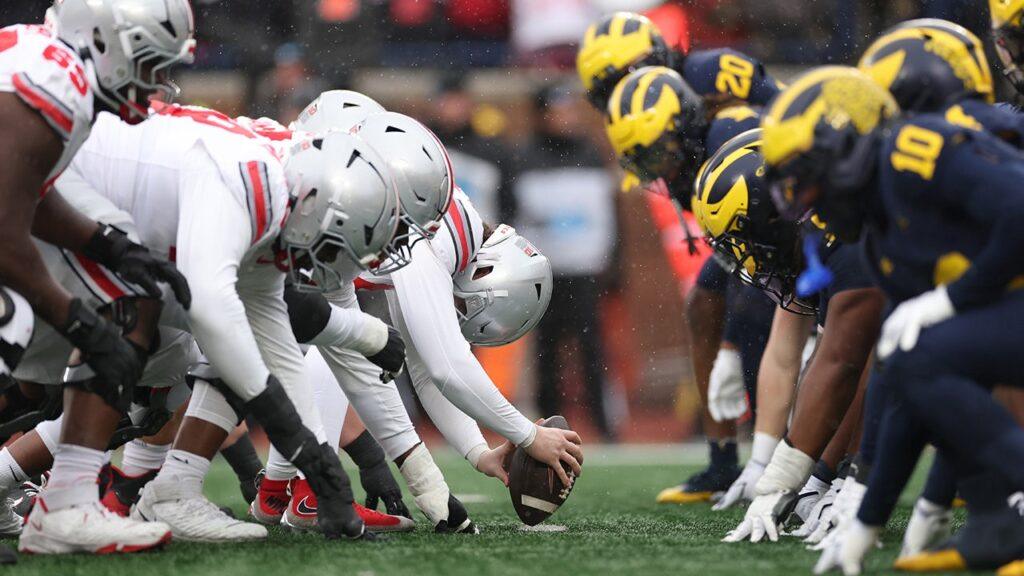
The Ohio State Buckeyes line up for an extra point attempt during the second quarter against the Michigan Wolverines at Michigan Stadium on November 29, 2025 in Ann Arbor, Michigan. (Luke Hales/Getty Images)
“America’s unique institution of collegiate athletics provides life-changing educational and leadership development opportunities to more than 500,000 student-athletes through nearly $4 billion in scholarships each year, fuels American Olympic success, and serves as an indelible part of many local economies and communities,” the White House said in a statement Tuesday.
“However, the future of college sports, and especially the future of Olympic and non-profitable sports, is threatened by significant legal and financial uncertainty. Urgent federal action is necessary to provide the stability, fairness and balance that will protect student-athletes and preserve college sports opportunities.”
The White House added that the law “is a crucial step toward enacting legislation that will preserve and strengthen this institution that is fundamental to American culture and success.” He did not respond to a request for comment on Wednesday’s cancellation.
The SCORE Act would give the NCAA a limited antitrust exemption in hopes of protecting the NCAA from potential lawsuits over eligibility rules and would prohibit athletes from becoming employees of their schools. Prohibits schools from using student fees to fund NIL payments. Republicans could try to vote on the bill as early as Thursday.
Roy posted on Wednesday X that he would “vote no” on the law.
The NCAA logo on the entrance sign outside of NCAA Headquarters on February 28, 2023 in Indianapolis, Indiana. (Mitchell Layton/Getty Images)
OLE MISS PLAYERS REJECT LANE KIFFIN’S CLAIM THAT THE TEAM ASKED AD TO LET HIM FINISH THE SEASON WITH REBELS
“The SCORE (college sports) Act is well-intentioned, but it falls short and is not ready for prime time. I will vote no. Process issues aside (we should have been able to modify it)… there are many legitimate concerns and questions,” Roy wrote.
The Congressional Black Caucus also opposed the law in a statement Wednesday.
“We can all agree that college athletes need stronger protections. Unfortunately, the SCORE Act does not provide them,” he said. “It would permanently strip college athletes of their labor and employment rights, including the right to unionize; bar them from challenging harmful or anticompetitive conduct; and grant the National Collegiate Athletic Association (NCAA) and conferences complete immunity when their actions jeopardize the education, health, safety or financial well-being of athletes.
“We cannot lose sight of the human impact here. At the center of this issue are college athletes, many of whom are Black students and who may not have significant financial resources. College athletes too often report struggling with injuries, food insecurity, poverty and homelessness. It is totally unfair for colleges and coaches to line their own pockets while leaving so little, if anything, for the college athletes who make those gains possible.”
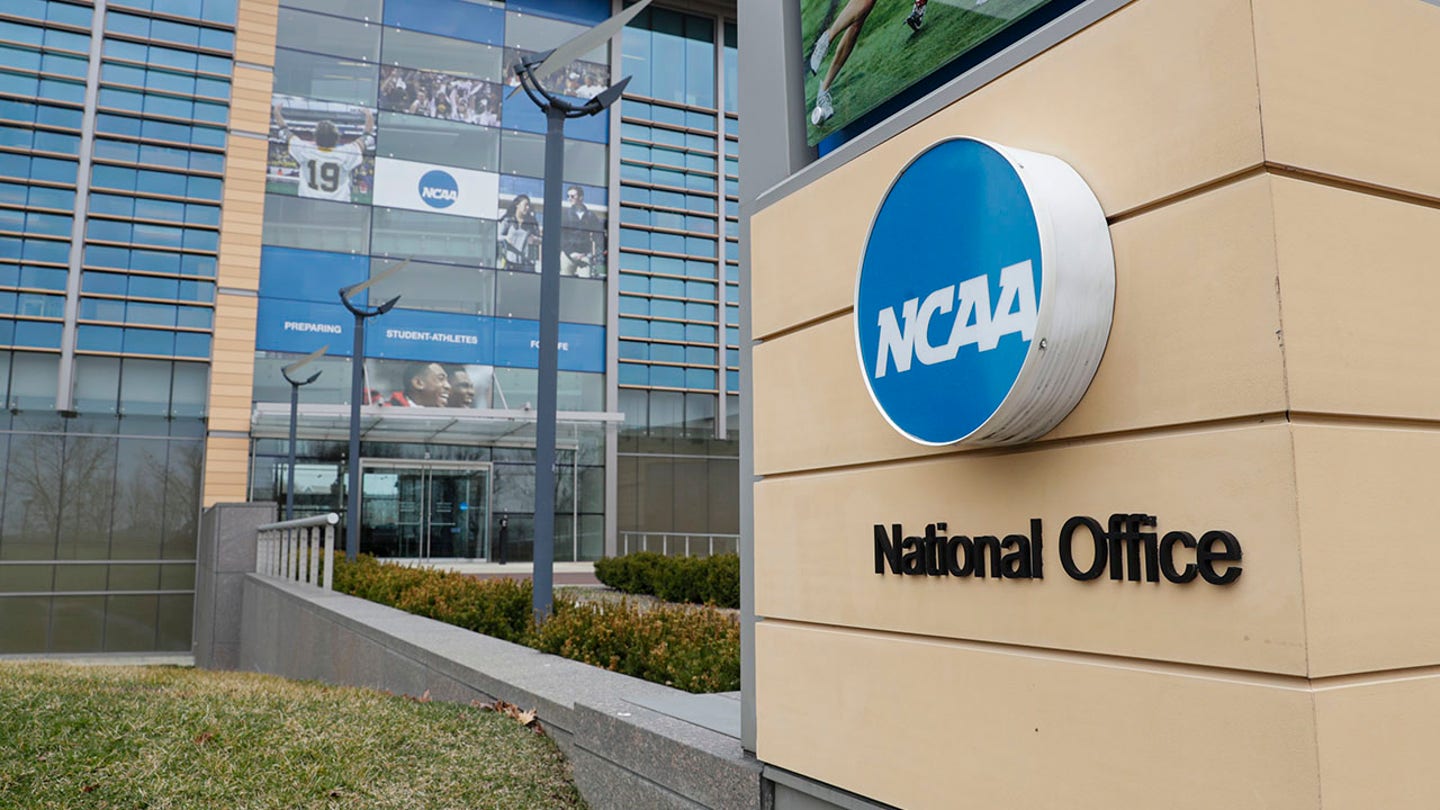
The NCAA headquarters in Indianapolis is shown this Thursday, March 12, 2020. (Michael Conroy, File/AP Photo)
President Donald Trump signed an executive order to “save college sports” in July.