
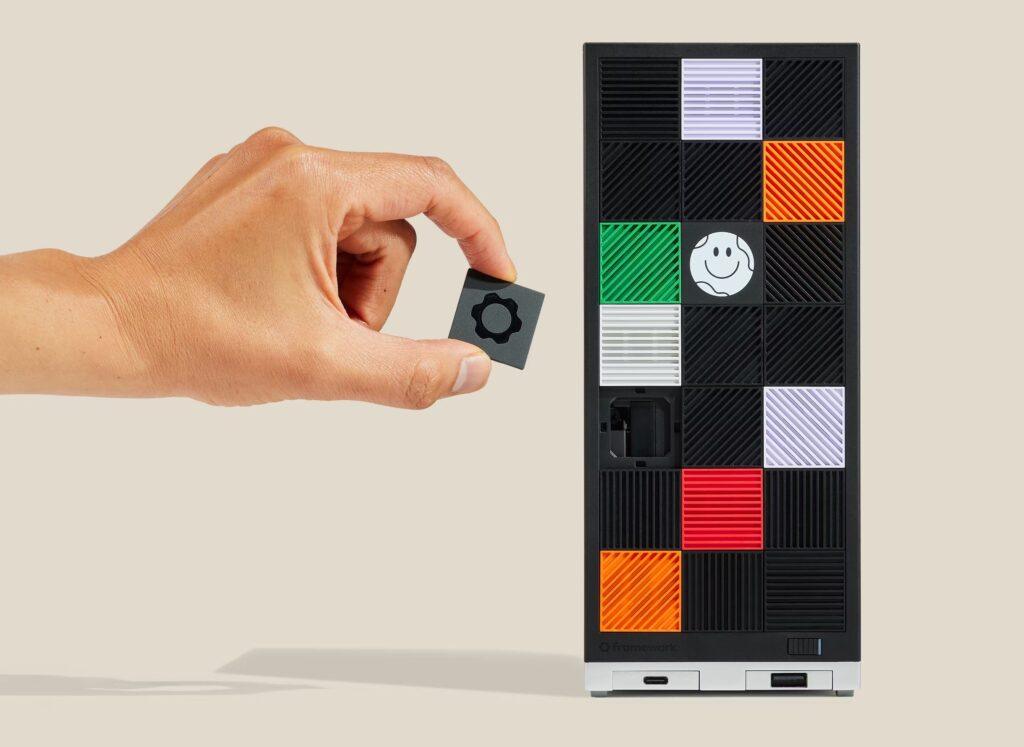
- Framework just raised the price of its desktop PCs, particularly the high-end model
- The company said that “the outlook for memory as we enter 2026 continues to worsen”
- He warned: “It is clear that this will be a challenging year and possibly even years for consumers.”
Framework, which makes modular laptops along with a do-it-yourself desktop PC (all offering a range of custom configuration options), has rung a warning bell regarding RAM pricing.
The PC maker explained that: “We put it off as long as we could, but as prices for LPDDR5x memory from our suppliers continue to increase rapidly, we have had to update the prices of Framework desktop systems and motherboards.”
In an update to a blog post about the current volatile memory market, Framework further noted that with its desktop PC: “Prices for 128Gbit parts (of which we used 8 to get to 128GB) have skyrocketed the most, impacting our very popular 128GB configuration.”
The price of all its desktop computers has gone up, although Framework says the sales price for existing pre-orders will not change. The 32GB and 64GB PCs have remained “closer to our original price,” but the 128GB PC has seen a big price increase.
The 128 GB configuration of Framework Desktop is now 50% more expensive than the 64 GB version (otherwise it has the same hardware specifications). This means you’re paying $820 (in the US) for the extra 64GB of system RAM, resulting in a nasty price increase.
Most worryingly, Framework also wrote: “The outlook for memory as we enter 2026 continues to worsen. From what we learned in meetings throughout the week at CES with suppliers, distributors and partners, it is clear that this will be a challenging year and possibly even years for consumers.”
Analysis: Stormy seas are ahead, but for how long?
That last quote is one of the most pessimistic predictions we’ve seen about how long the memory crisis could last. The use of the word “years” is not comforting and suggests that RAM supply and pricing difficulties could persist not only this year, but next year, and perhaps even longer.
There have previously been suggestions from some quarters that we may not see a return to normality in RAM costs until 2028, and this seems to support this notion, although Framework still presents it as a possibility, not a foregone conclusion by any means.
Ultimately, those well-placed in the industry are only offering their most educated guesses about how long these component price increases may be, which go beyond RAM and encompass storage (which also uses memory chips) as well as GPUs (which have video RAM).
Of course, this puts PC manufacturers in a difficult position, and also consumers trying to buy parts to build their own computer. For that reason, there is a lot of pessimism surrounding PC sales predictions for this year, and all we can do is hope that 2026 is behind us and that a recovery could be on the cards for 2027.
However, given the growing momentum behind AI, which is a key factor in the RAM crisis as tons of memory is being purchased for AI use (including large amounts of VRAM in AI GPUs), it’s pretty easy to remain pessimistic. Especially since Framework’s point of view apparently comes from a broad set of conversations with all of its suppliers and others along the distribution chain.
The best computers for all budgets
Follow TechRadar on Google News and add us as a preferred source to receive news, reviews and opinions from our experts in your feeds. Be sure to click the Follow button!
And of course you can also follow TechRadar on TikTok for news, reviews, unboxings in video form and receive regular updates from us on WhatsApp also.


