
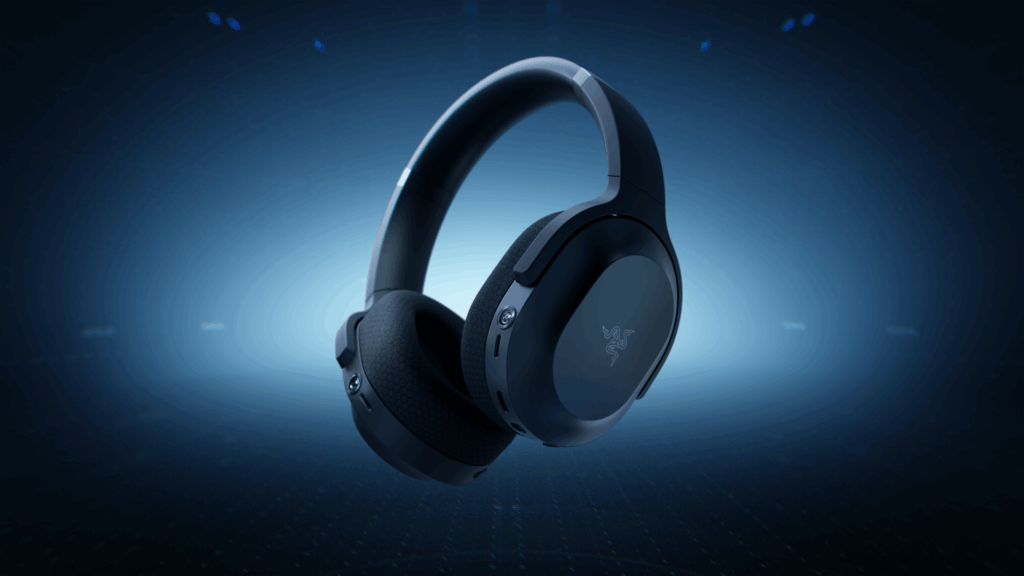
- Razer introduced its Project Motoko AI headphones at CES
- Project Motoko can see, hear and react to its environment in real time
- The headsets combine cameras, microphones, and AI platforms like ChatGPT and Gemini to offer hands-free support.
Razer offered a vision of a world where your headphones see, hear, and think while streaming your music to your ears at this year’s CES. The company’s new Project Motoko native AI headset is still in the concept stage, but it joined its new gaming chair and remote control in Las Vegas. Motoko is one way to see how Razer’s approach to wearable AI technology could easily catch on.
Razer’s approach to wearable AI is basically a headset that sees and hears everything you do and provides proactive, context-based help. Project Motoko combines Razer’s design sensibility with AI chips and extended reality tools. The wireless headsets are packed with cameras and microphones that share information with AI models capable of recognizing and interacting with whatever you’re looking at, while keeping a digital eye on the world beyond your peripheral vision. Razer claims the headset will respond to visual cues, translate signals, summarize documents, track workouts, and generally act as an unobtrusive, always-on assistant.
Dual forward-facing cameras mounted at eye level give the headset a natural first-person perspective, allowing it to recognize traffic lights, recipes, or anything else in front of you and offer whatever help seems most needed. Multiple microphones allow you to analyze both your voice commands and anything else you hear around you. They combine to provide what Razer calls “augmented AI awareness.”
Project Motoko doesn’t know which AI tool is helping you, so you can have a conversation with Gemini, ChatGPT, or even Grok. The headphones can process and respond depending on the system you already use.
Razer was quick to make it clear that Motoko isn’t just for gaming, even if it debuted under Razer’s advanced gaming brand. The company wants people to use the headphones every day for more mundane tasks. That could mean organizing your calendar, doing household chores, surfing the web, or walking around a foreign city while silently translating signs and helping you avoid construction zones.
The look of the headphones compared to smart glasses could be part of the appeal. Smart glasses, whose adoption has struggled due to uncomfortable designs and social unrest, while over-ear headphones are already widely accepted.
Omniscient Headphones
Of course, since Motoko is not yet commercialized, many of its capabilities are left to demonstrations and speculation. Razer is likely particularly keen to avoid the pitfalls that plagued the demise of Humane’s AI Pin and sparked so many complaints for Rabbit’s R1 assistant.
Motoko is not intended to be the first or the only solution. But it does reflect a growing trend toward context-sensitive devices found in everyday accessories. Razer even sees potential in robotics and machine learning research. The idea is that people can use Motoko’s human field of view and depth data to train other AI models to see and understand the world. One way or another, headphones could become a common AI interface sooner than we think.
“Project Motoko is more than a concept, it’s a vision for the future of AI and wearable computing,” said Nick Bourne, global head of Razer’s mobile console division. “This is the next frontier of immersive experiences.”
Follow TechRadar on Google News and add us as a preferred source to receive news, reviews and opinions from our experts in your feeds. Be sure to click the Follow button!
And of course you can also follow TechRadar on TikTok for news, reviews, unboxings in video form and receive regular updates from us on WhatsApp also.
The best business laptops for every budget


