
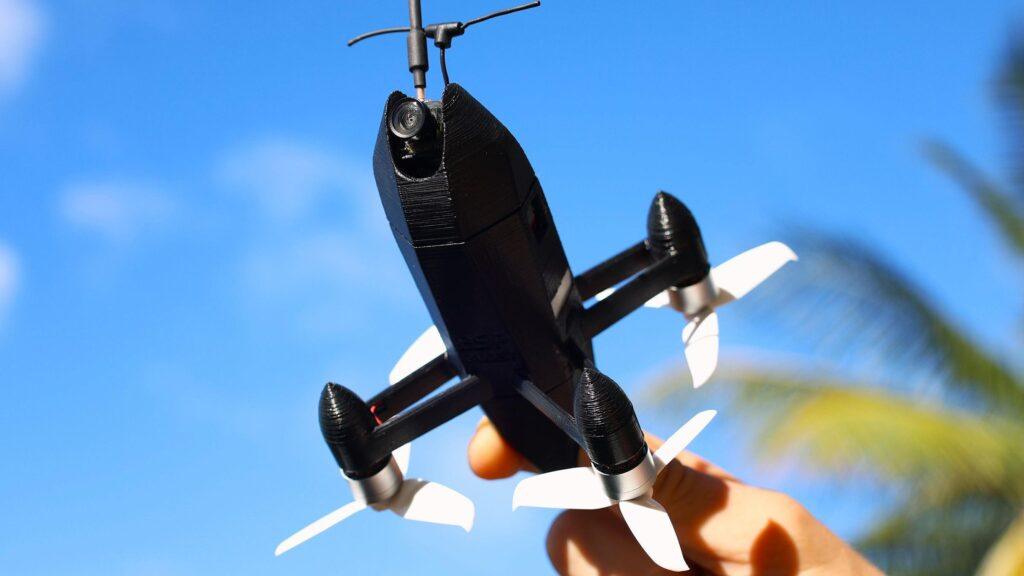
- ESP-Blast drone parts cost a total of $155
- The drone weighs less than 5 ounces and reaches a top speed of 67 mph/108 km/h
- Complete self-build instructions available online
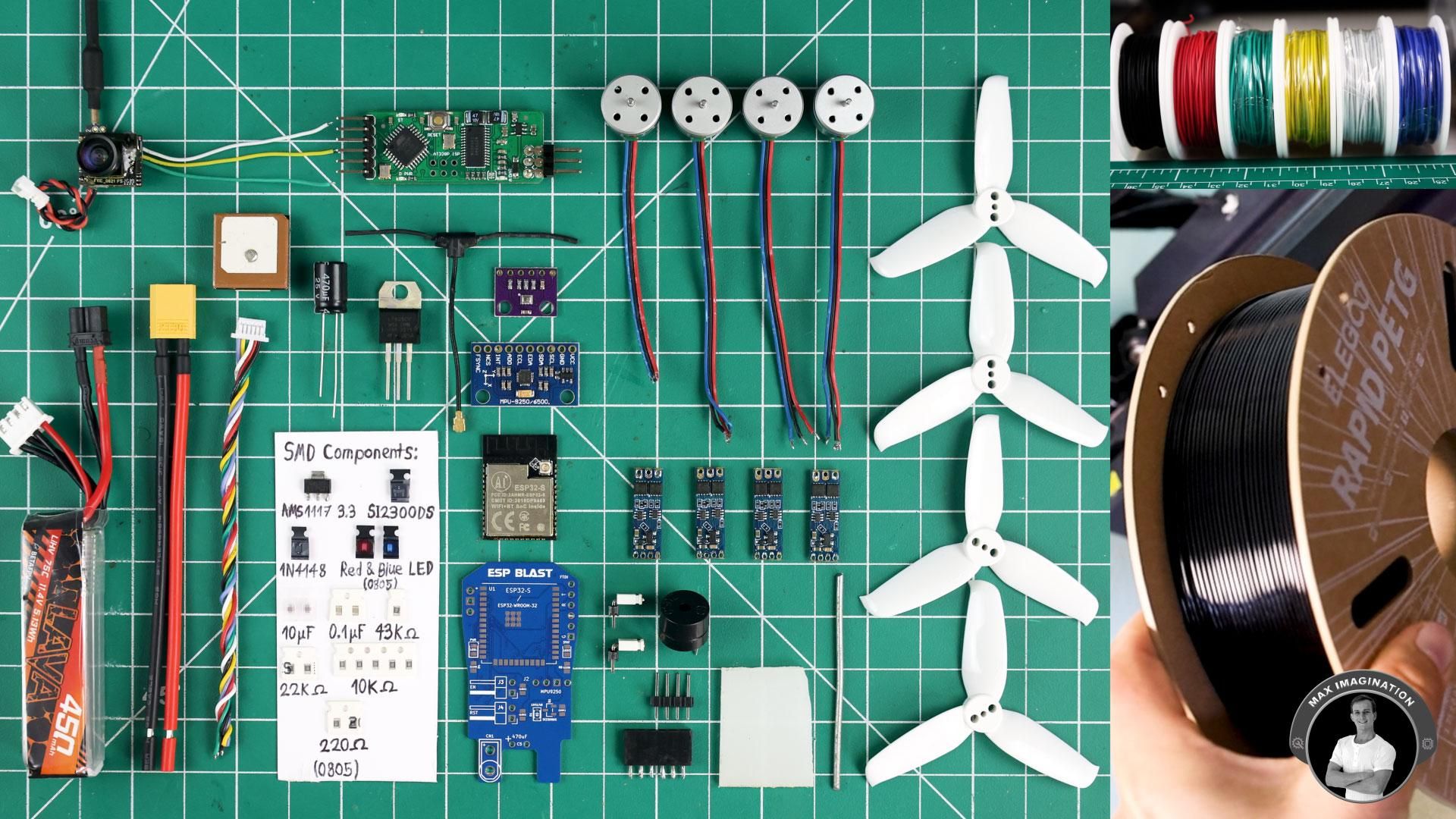
$155 doesn’t get you much when it comes to pre-built drones. But if you’re not averse to using a soldering iron and a 3D printer and getting your hands dirty with some light DIY work, that’s how much it will cost you to buy all the components for the ESP-Blast, a small drone capable of reaching 67 mph.
ESP-Blast is the brainchild of YouTuber Max Imagination, who details the entire design, engineering, and construction process in the video below (you can also find a full tutorial on his Instructables profile). Even a cursory look at the video reveals that it is a painstaking and laborious process, going through many adjustments and iterations along the way.
Look
Fortunately, you don’t have to go through that lengthy trial, as Max has included links to all the components, 3D printer files, and more. So if you want to make your own ESP-Blast, I’d say the hardest part is already done.
Article continues below.
Why would you want to build it? Well, because this is really fast. Most cheap consumer drones are quite limited when it comes to speed: with some help from a favorable wind, the £209 (around $240) DJI Neo 2 can reach an airspeed of around 50mph in FPV mode, but you’ll need to spend more on DJI Goggles and an RC Motion controller.
The ESP-Blast (which certainly doesn’t put the price of an FPV headset or controller at the Max’s $155 total) hits 67 mph due to its 136g/4.8oz weight, 450mAh battery, and aerodynamic rocket shape. Sure, it’ll only fly for about five minutes on a full charge, but that’s the price you pay for ultra-low weight and small size.
Cheap as chips
Perhaps the most impressive thing about the ESP-Blast is the use of the EPS32 system-on-chip as a flight controller. This $5 chip isn’t designed for such a function – it’s commonly used in Internet of Things smart home DIY projects, such as modified coffee machines and security cameras. However, Max realized that its 240 MHz dual-core Xtensa LX6 processor and 520 KB of RAM were ideal for his purposes, even if the on-chip Bluetooth and Wi-Fi antennas were not necessary, and that it was also incredibly cheap.
It also chose PETG plastic instead of the more commonly used PLA for the 3D-printed airframe, a choice that makes sense given PETG’s advantages in flexibility, cold air resistance, and shock absorption.
The ESP-Blast’s 67 mph top speed may not seem impressive compared to the 430 mph record reached by Ben Biggs’ DIY Blackbird drone in February 2026, but keep in mind that that drone uses about $3,000 worth of parts in total, making it more than 19 times more expensive than Max Imagination’s drone. Hitting 67mph in such a cheap machine is quite an engineering feat in my opinion.
Follow TechRadar on Google News and add us as a preferred source to receive news, reviews and opinions from our experts in your feeds. Be sure to click the Follow button!
And of course you can also follow TechRadar on TikTok for news, reviews, unboxings in video form and receive regular updates from us on WhatsApp also.
The best drones


