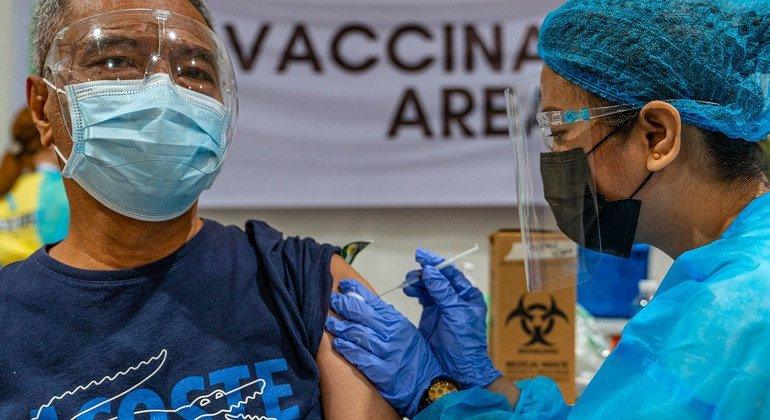
Although COVID-19 no longer causes the widespread disruption seen during the global health emergency, the virus continues to hospitalize and kill people across Europe and neighboring regions.
Studies led by the WHO Regional Office for Europe confirm that people who receive timely booster doses are much less likely to develop severe illness, require intensive care or die.
The findings are based on data from the European Severe Acute Respiratory Infections Vaccine Effectiveness Network (EuroSAVE), which monitors respiratory infections in hospitals in parts of Europe, the Balkans, the South Caucasus and Central Asia.
Important findings
“Studies highlight that while COVID-19 is not causing the widespread illness we saw during the pandemic, it has caused a significant number of hospitalizations and deaths,” said Mark Katz, a medical epidemiologist at the WHO regional office.
Between May 2023 and April 2024, almost 4,000 patients were hospitalized with acute respiratory infections in the countries covered by the network.
Nearly 10 percent of those cases were caused by COVID-19, even though the pandemic had been declared over. Among patients hospitalized with COVID-19, only 3 percent had received a vaccine dose in the previous 12 months.
The consequences were often severe: 13 percent of COVID-19 patients required admission to intensive care units and 11 percent died.
Comparative research also showed that patients hospitalized with COVID-19 were more likely than those with influenza to require oxygen, intensive care, or succumb to the disease.
Vaccines offer strong protection
In contrast, vaccination offered strong protection.
A EuroSAVE study found that an updated COVID-19 vaccine received in the past six months was 72 percent effective in preventing hospitalization and 67 percent effective in preventing the most serious outcomes, including ICU admission and death.
An independent analysis conducted in several countries found that the vaccines reduced COVID-related hospitalizations by about 60 percent.