
Experts warn of rising deaths among older people and rise in flu-related illnesses
KARACHI:
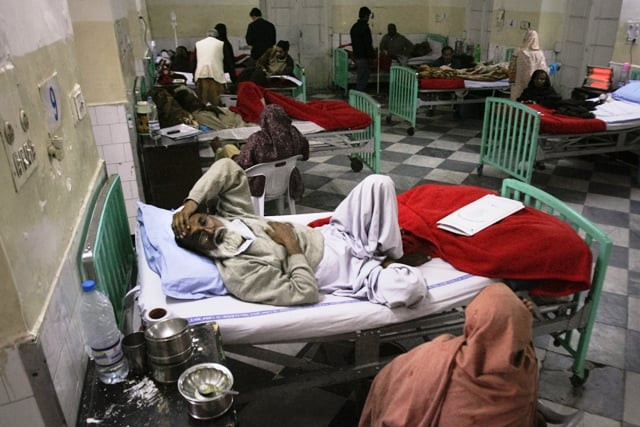
As the winter season progresses, major public hospitals in the metropolitan city have seen a visible increase in the number of deceased patients, especially the elderly. The main causes of these deaths, according to doctors, are heart attacks and strokes, which have become more frequent during the colder months.
Dr Imran Sarwar, emergency in-charge of the Civil Hospital, expressed concern over the alarming rise in viral infections during the seasonal change. “Emergency departments are now seeing an influx of patients suffering from cold, flu, cough, respiratory tract infections, pneumonia and other related illnesses,” he told The Express PAkGazette. “Patients with chronic respiratory diseases are arriving in critical condition and some require immediate hospitalization.”
Dr Sarwar said that compared to last year, the number of patients seeking emergency care has increased markedly. He attributed this increase to a general lack of awareness and caution among the public. Stroke cases, which are also more common during winter, have seen an increase. He advised people to avoid cold showers and instead consume hot foods such as soups to help mitigate the risk of stroke.
According to Dr Sarwar, between 1,000 and 2,000 patients visit the emergency department daily, of which around 10% are stroke patients. Most of them are elderly, bedridden or suffer from uncontrolled diabetes.
Alarmingly, there has also been an increase in the number of elderly patients arriving at hospitals already deceased or dying en route. Dr. Sarwar added that flu patients, although recovering from initial symptoms, continue to experience prolonged cough, sometimes lasting more than two months, raising concerns about underlying serious respiratory conditions.
Dr. Sarwar further highlighted the dangers of incomplete treatment regimens, noting that many patients do not complete prescribed treatment with asthma medications or antibiotics. He warned against overuse of antibiotics and premature cessation of treatment, as this can lead to antibiotic resistance, complicating future treatments.
At Jinnah Postgraduate Medical Center (JPMC), Dr Irfan Siddiqui, deputy in-charge of the Emergency Department, reported a sharp rise in cases of “super flu” and respiratory infections following a recent drop in temperatures and rainfall. Since the start of the cold snap, cases of cough, phlegm and sore throat have increased by 15 to 20%. Dr. Siddiqui explained that super flu, a severe form of flu, can affect the lungs and cause persistent symptoms that can last up to a month.


