
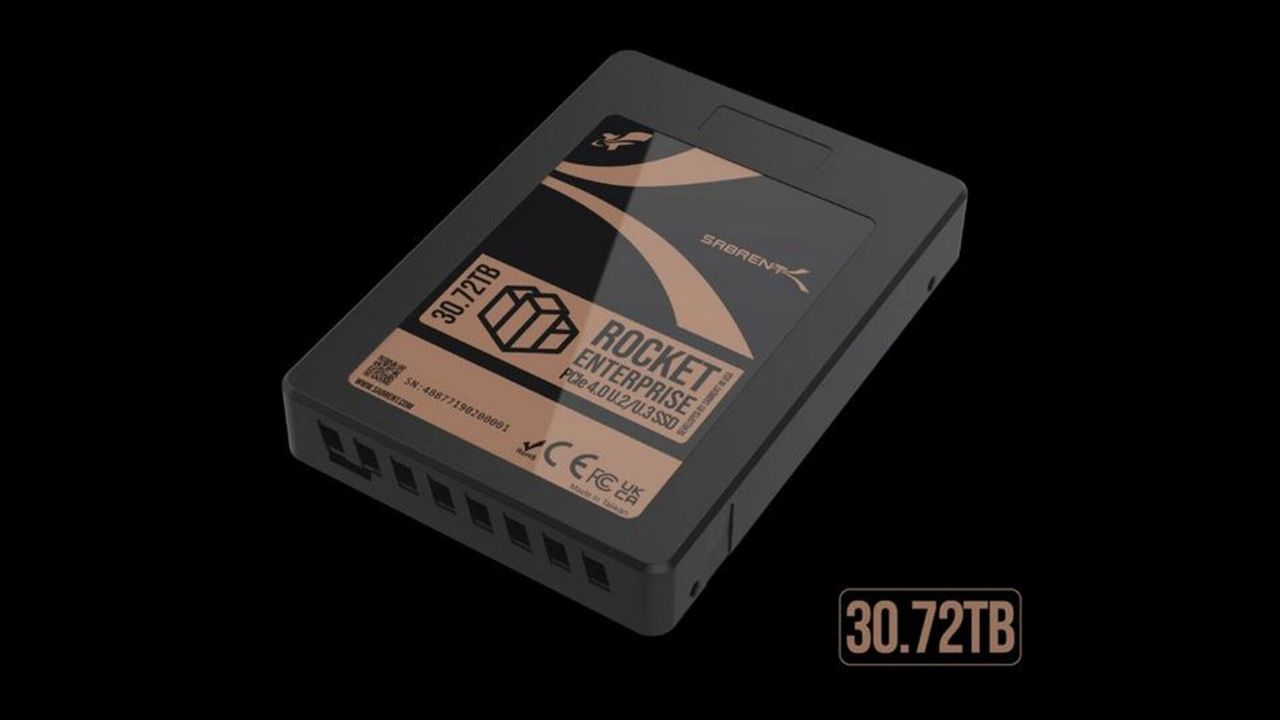
- Conventional DRAM prices are expected to increase by 58% to 63% quarter over quarter.
- Current projections exclude the possible impacts of the regional conflict between the United States, Israel and Iran.
- AI infrastructure is rapidly moving production away from consumer memory markets.
The cost of memory and storage components is rising sharply, and new projections indicate significant increases across multiple segments.
New data from Trendforce shows that conventional DRAM contract prices are expected to increase by 58% to 63% quarter over quarter, while NAND Flash prices could increase by as much as 70% to 75%.
A major factor behind these increases is the continued expansion of artificial intelligence infrastructure, which is shifting capacity away from consumer markets.
Article continues below.
AI demand reshapes supply priorities
Suppliers are reallocating production toward high-margin server applications, including enterprise SSDs and high-capacity memory modules used in artificial intelligence systems.
This shift is restricting the availability of consumer components, forcing buyers to compete for reduced supply.
Demand for enterprise SSDs has shown few signs of slowing, as large-scale AI deployments continue to expand.
Cloud storage Service providers are reportedly willing to accept higher prices and secure long-term deals to ensure access to critical components.
This dynamic strengthens suppliers’ leverage, allowing them to maintain high price levels despite weaker demand in traditional markets.
While suppliers are increasing production through process improvements and higher density technologies, overall capacity growth remains limited.
Significant expansion is not expected until late 2027 or 2028, leaving a prolonged period of tight supply conditions.
At the same time, manufacturers are deliberately limiting shipments to lower-margin segments, including customers’ SSDs and NAND wafers, to preserve profitability.
In the mobile and embedded storage markets, the situation seems equally limited.
Although demand for smartphones has weakened, requirements for high-speed memory powered by artificial intelligence functions remain stable.
The automotive and industrial sectors have also contributed to the recovery in demand, further complicating supply allocation decisions.
As a result, some categories, notably eMMC and UFS, face particularly narrow supply gaps with corresponding price increases.
The effects of limited supply are visible in almost all memory categories.
Graphics memory prices are rising due to limited capacity allocation, while consumer DRAM continues to face shortages as vendors reduce their exposure to lower-margin products.
Even as demand has weakened, reduced shipments have kept prices high by limiting availability.
Retail buyers are responding to these conditions by adjusting their purchasing strategies, with some choosing to rebuild inventories in anticipation of further increases.
However, rising costs are also suppressing demand in segments such as memory cards and USB storage, where margins are already thin.
Interestingly, the conflict between the United States, Israel and Iran, which is expected to disrupt supply chains and potentially drive prices higher, was not factored into the current projections.
“Our analysts have not included the regional conflict in their current pricing models, as no substantial disruption to memory supply has been observed at this stage,” TrendForce told TechRadar Pro.
Follow TechRadar on Google News and add us as a preferred source to receive news, reviews and opinions from our experts in your feeds. Be sure to click the Follow button!
And of course you can also follow TechRadar on TikTok for news, reviews, unboxings in video form and receive regular updates from us on WhatsApp also.


