
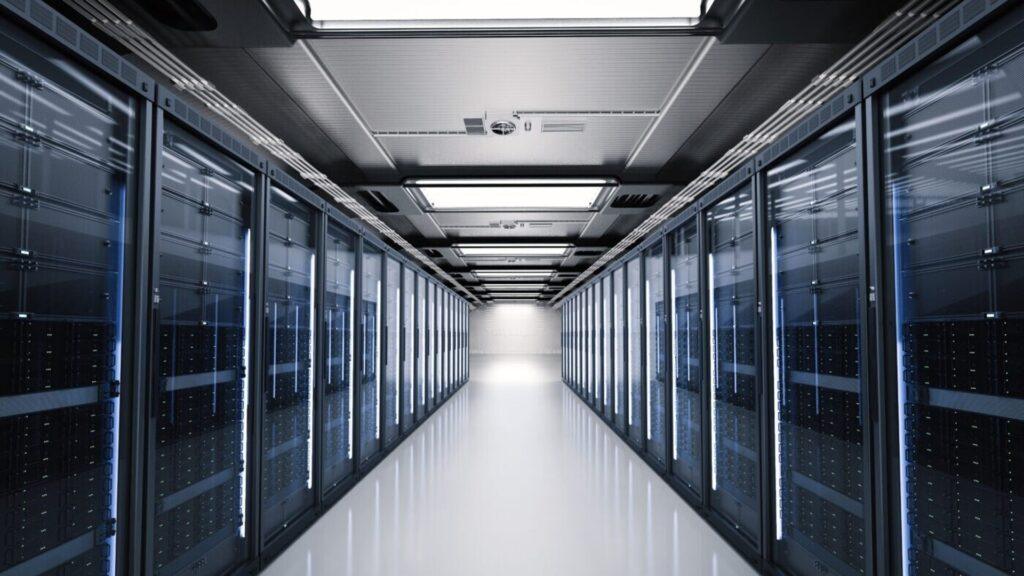
- AI-centric memory production is limiting availability of consumer hardware
- DRAM costs are rising faster than most manufacturers anticipated
- Dell and Lenovo announce double-digit price increases for enterprise servers
Server and PC makers are facing a sharp rise in component costs, driven largely by memory shortages.
Analysts warn that DRAM and HBM production is increasingly focused on AI servers, reducing the availability of mainstream consumer hardware.
TrendForce estimates that DRAM prices could rise between 8 and 13%, while Counterpoint predicts an even greater increase.
Industry responses and price adjustments
This shift in production priorities has led companies to reconsider their product lines, and some brands have abandoned consumer-centric memory to meet business demand.
Major OEMs, including Dell, Lenovo, HP, and HPE, are planning big price increases for servers, projected at around 15%, while PC prices are expected to rise by about 5%.
Dell’s chief operating officer described the shortages as “unprecedented” and noted that supply is struggling to keep pace with growing demand.
Memory components, NAND, hard drives, and advanced semiconductor nodes are all under pressure.
Channel sources suggest that long delivery times are now common across all brands, with the exception of Apple Mac and Microsoft Surface products, which appear less affected.
Memory manufacturers are increasingly pivoting towards AI-centric production, which impacts the availability and cost of overall hardware components.
Micron recently announced the discontinuation of its Crucial brand, with the goal of prioritizing large customers with AI servers.
Samsung has reportedly increased memory prices by up to 60% as factories shift capacity toward AI workloads.
This surge in demand has created volatility throughout the memory market, leaving manufacturers scrambling to adjust pricing and supply strategies.
Supply chain sources indicate that almost all major manufacturers are planning double-digit increases in server prices and moderate increases in PCs.
Lenovo’s COO warned that cost pressures on memory and SSDs are “more dramatic than usual,” making mitigation difficult.
HP described the higher memory costs as a “temporary headwind” that primarily affects PCs rather than peripheral devices.
Despite these adjustments, IDC analysts note that the current market movement is unusually large compared to past fluctuations.
The trend reveals the growing influence of AI in hardware markets, where demand for servers, CPUs and GPUs creates memory shortages.
While manufacturers work to manage the impact, the pace of these price changes suggests that budgets for enterprise and consumer hardware will face sustained pressure.
Through The Registry
Follow TechRadar on Google News and add us as a preferred source to receive news, reviews and opinions from our experts in your feeds. Be sure to click the Follow button!
And of course you can also follow TechRadar on TikTok for news, reviews, unboxings in video form and receive regular updates from us on WhatsApp also.


