

In a year marked by the scope, ambition and discomfort of artificial intelligence, Time The magazine awarded its annual top title not to a global leader or celebrity, but to a coalition: the “Architects of AI.”
This group encompasses a powerful network of engineers, CEOs, and researchers, including OpenAI’s Sam Altman, Nvidia’s Jensen Huang, and key figures at Google, Meta, and Anthropic.
AI crowd
AI was once limited to academic journals, specialized research laboratories, and speculative fiction. In 2025, that clearly will no longer be true. AI is no longer an experiment; It is a constant presence in the lives of many people. AI Architects engineered that change, not just developing sophisticated models but ensuring they were accessible, usable, and, perhaps most importantly, desirable.
ChatGPT is only three years old, but 800 million people use it every week. This type of adoption is not limited to OpenAI and has only accelerated with integration with other services. Google’s Gemini is at the top of Google search results. Microsoft Copilot is part of all Office platforms. Meta chatbots appear on Facebook, Instagram and WhatsApp, and that’s just what’s visible.
Few groups in recent history have had such a broad and rapid influence on global behavior, for better or worse. Its tools are not only available but also integrated into the daily lives of hundreds of millions of people. According Time, AI is fundamental to what it means to participate in the world of 2025.
Geopolitical restructuring
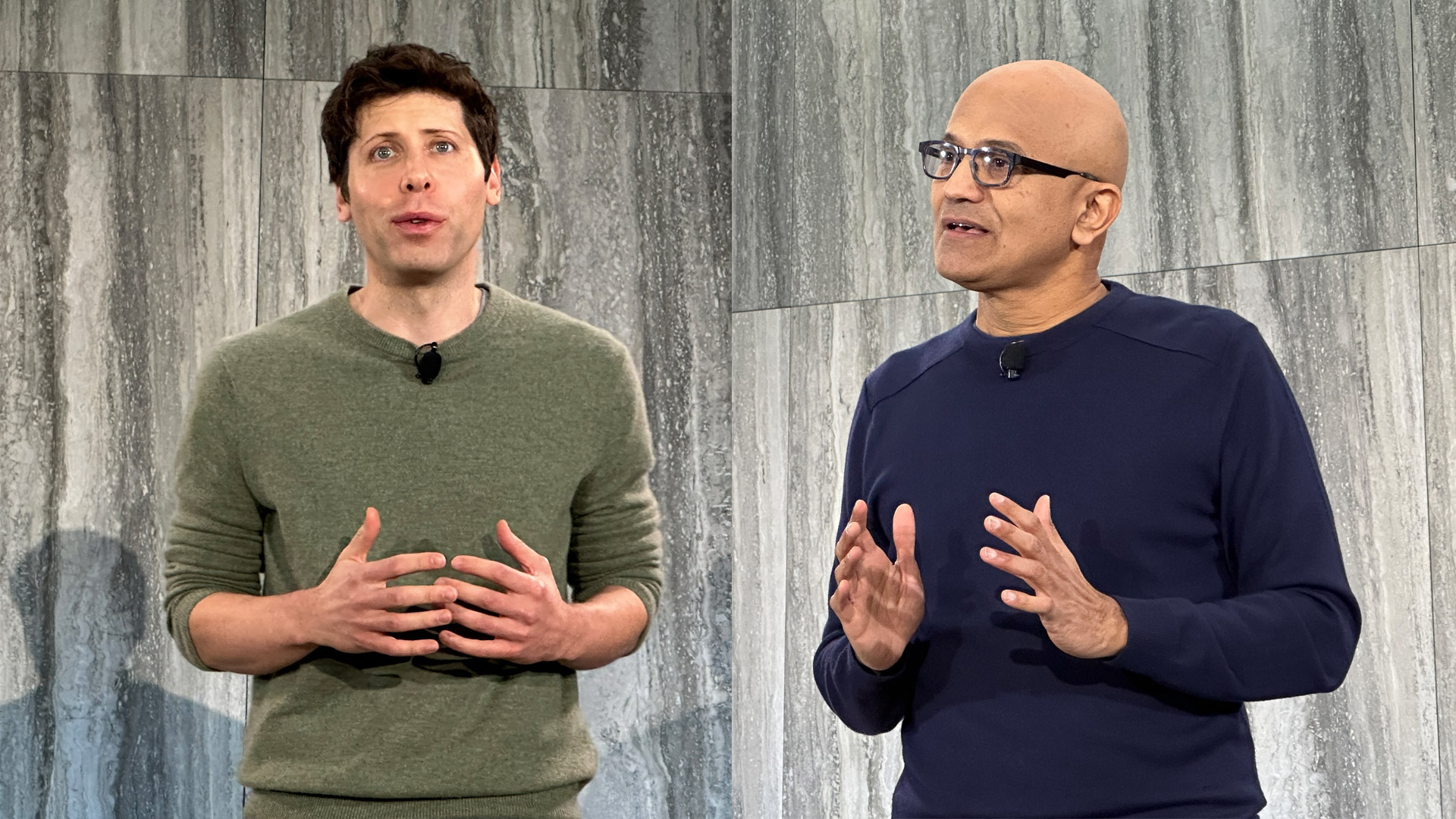
There is no contemporary technology more involved with the global economy than artificial intelligence. The creation and operation of AI models now play a role in defining political and economic power.
Jensen Huang’s Nvidia offers an excellent example. Nvidia, once known primarily to gamers for its graphics cards, is now the most valuable company in the world, having surpassed the $5 trillion mark. The company supplies the vast majority of advanced chips used in training and deploying AI models. These are not consumer products; They are national assets. Nations now compete not only for oil, but also for Nvidia hardware. During high-level diplomatic meetings, the issue of access to chips is as strategic as defense agreements.
As the AI arms race intensifies, governments are leaning heavily toward policies and regulations designed to boost their national AI ecosystems. Billions in subsidies and infrastructure spending have been allocated to keep pace. AI architects, through their companies, now attract the attention not only of consumers and investors, but also of presidents and parliaments. In the United States, for example, White House advisers consult directly with the CEOs of artificial intelligence companies. In China, AI is at the center of its latest five-year plan. In the UK, the government has held multiple summits to discuss the safety and competitiveness of AI.
Time It seems to ensure that these figures are no longer just business leaders. They are geopolitical actors. Your decisions influence everything, even if it is not your intention. NVIDIA’s chip supply, OpenAI’s research pace, and Meta’s deployment strategy are just a few of the ways these individuals wield power that matches or even surpasses many world leaders.
New frontiers
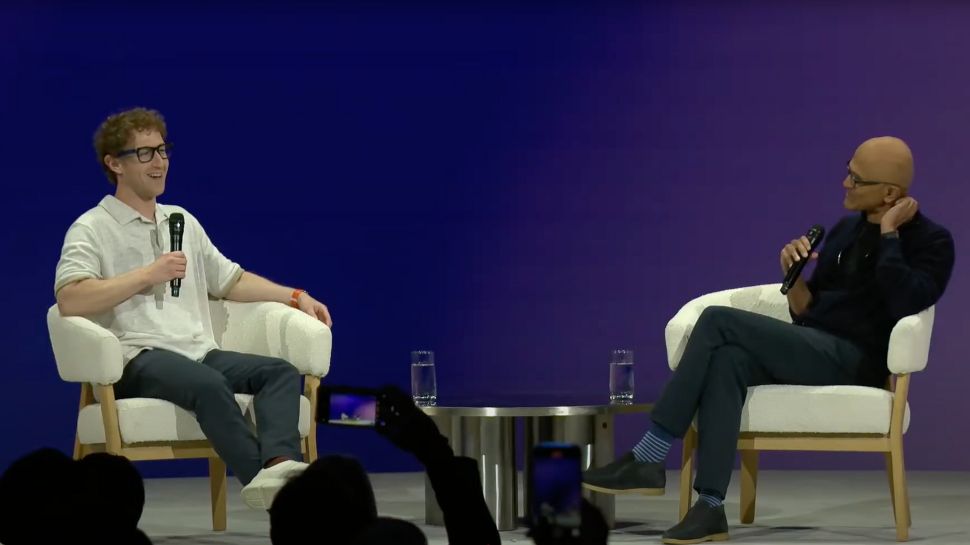
Some of the biggest advances in AI in 2025 haven’t just been about speed or scale; They have focused on expanding or replicating human ingenuity in science and art. At their best, AI developers have pushed the boundaries of what people think they can do, especially in fields long limited by experience, time or access. What used to be hidden behind years of training or teams of specialists can now begin with a prompt.
Whether that’s a good thing or not is still debatable, but there’s no denying the transformation of creative work, from AI-generated movies to music to full-length novels. That may mean AI being a collaborative partner for an artist or an outright artistic replacement, but its impact is undeniable.
The same occurs in laboratories and research centers where scientists rely on AI to model drug interactions and analyze astronomical data, among other tasks. AI can process volumes of information that would be impossible for a human team to digest. It is a new type of collaboration in which the machine offers options that humans would never have considered.
Time’s editors highlighted this wave of AI not only for its technical sophistication, but also for how it reshapes individual ambition. The people behind the AI tools, Time argues, he did not limit himself to building technology. They built the scaffolding for a cultural change. And that, more than anything, explains why they got the cover.
Follow TechRadar on Google News and add us as a preferred source to receive news, reviews and opinions from our experts in your feeds. Be sure to click the Follow button!
And of course you can also follow TechRadar on TikTok for news, reviews, unboxings in video form and receive regular updates from us on WhatsApp also.

The best business laptops for every budget


